
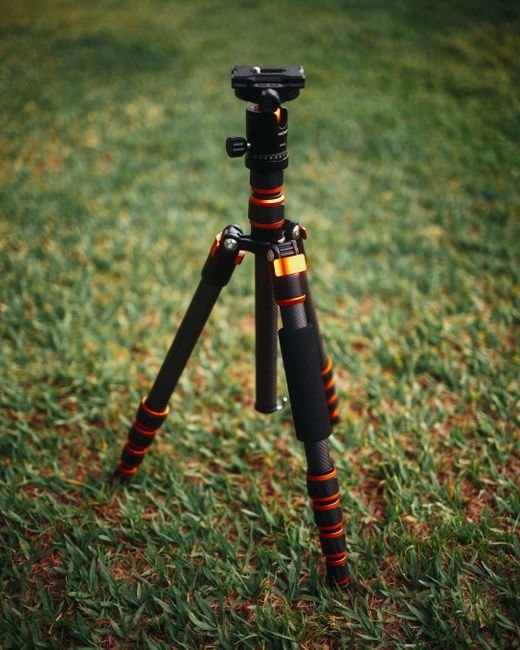
Tripod Tips: Choosing the Perfect Camera Support
A tripod is more than just a stand for your camera; it’s an indispensable tool for unlocking creative potential and achieving technically superior images. Whether you’re a landscape artist capturing breathtaking vistas, a portrait photographer seeking tack-sharp focus, or a videographer demanding smooth pans, the right tripod is your steadfast companion. Navigating the vast array of options can feel daunting, but understanding key features and your specific needs will illuminate the path to your perfect camera support.
Understanding the Core Components:
At its heart, a tripod comprises two primary elements: the legs and the head. The legs provide stability, while the head dictates how you position and control your camera.
Legs: The Foundation of Stability
The legs are the bedrock of your tripod’s performance. Their design and material significantly impact weight, stability, and portability.
-
Material:
- Aluminum Alloy: The most common and budget-friendly option. Aluminum is durable and readily available, but it can be heavier than carbon fiber. It’s an excellent choice for beginners and those who prioritize cost-effectiveness.
- Carbon Fiber: Lighter, stronger, and more vibration-dampening than aluminum. Carbon fiber tripods are ideal for serious photographers who travel frequently or need to conserve energy on long shoots. While more expensive, the benefits in weight reduction and performance are substantial.
- Magnesium Alloy: A lighter alternative to aluminum, offering good strength and vibration resistance. It’s often found in mid-range to high-end tripods.
-
Leg Sections: Tripods typically have 2, 3, or 4 leg sections. More sections allow for greater height extension but can also introduce slight instability at maximum extension. Three-section legs often strike a good balance between height and stability for most users.
-
Leg Locks: How you extend and lock your legs is crucial for quick setup and secure positioning.
- Flip Locks: Lever-style locks that are generally faster to operate and easier to clean. They are popular for their intuitive use.
- Twist Locks: Require rotating the leg sections to lock them. They offer a more streamlined look and can be less prone to snagging, but can sometimes be more difficult to operate with gloves or in dusty conditions.
-
Leg Angles: Most tripods offer multiple leg angle settings, allowing you to splay the legs out for low-angle shots or to accommodate uneven terrain. Look for a tripod with at least three distinct angle settings for maximum versatility.
-
Center Column: This vertical column extends upwards to increase the tripod’s maximum height. Some tripods feature a reversible center column for very low-angle photography or a rapid-release center column for quick adjustments. However, extending the center column can reduce stability, so it’s best used sparingly when maximum height is essential.
-
Feet: The tips of the legs are crucial for grip.
- Rubber Feet: Standard on most tripods, providing good traction on smooth surfaces.
- Spiked Feet: Ideal for outdoor use on grass, dirt, or sand, offering superior grip and preventing slippage. Many tripods come with interchangeable feet or a rubber cover that conceals spikes.
Head: The Art of Camera Control
The tripod head is where you mount your camera and control its movement. The type of head you choose will dramatically influence your shooting style and the types of shots you can achieve.
-
Ball Head: The most popular and versatile head type. A single ball allows for fluid movement in any direction.
- Pros: Quick to adjust, excellent for general photography, suitable for both stills and video (with practice).
- Cons: Can be prone to slight shifts when locking down, especially with heavier cameras. Look for models with separate tension and lock knobs for finer control.
- Features to Look For: Arca-Swiss compatibility (a universal mounting system), a separate panning lock for smooth horizontal movements, and a bubble level for precise leveling.
-
Pan-and-Tilt Head (3-Way Head): Features separate controls for panning (horizontal movement), tilting (up/down movement), and often roll (sideways tilt).
- Pros: Offers precise control over each axis, excellent for architectural photography, landscape photography requiring fine adjustments, and product photography.
- Cons: Slower to adjust than a ball head.
- Features to Look For: Smooth, independent controls for each axis and long handles for leverage.
-
Gimbal Head: Specifically designed for supporting heavy telephoto lenses. It balances the lens around its center of gravity, allowing for incredibly smooth and effortless tracking of fast-moving subjects.
- Pros: Unmatched for wildlife and sports photography with long lenses.
- Cons: Bulky, expensive, and overkill for most general photography.
-
Fluid Head: Primarily used for videography. These heads incorporate fluid cartridges that provide incredibly smooth and controlled resistance for panning and tilting, essential for professional-looking video footage.
- Pros: Essential for cinematic video work, smooth pans and tilts.
- Cons: Less ideal for still photography due to their inherent resistance.
Choosing the Right Tripod for Your Needs:
Consider these factors when making your selection:
-
Camera and Lens Weight: The tripod’s load capacity is paramount. Ensure the tripod and head can comfortably support the combined weight of your camera body and your heaviest lens. Exceeding the load capacity will compromise stability and potentially damage your equipment. Look for specifications like “Maximum Load Capacity.”
-
Portability: If you’re a frequent traveler or hiker, weight is a critical consideration. Carbon fiber tripods are significantly lighter than their aluminum counterparts. Consider the folded length of the tripod for ease of transport in a backpack or carry-on luggage.
-
Height: Determine the maximum height you typically need. For most landscape and general photography, a tripod that extends to slightly above eye level when standing is ideal. If you frequently shoot from a seated position or need extreme height, factor that into your decision.
-
Stability: This is non-negotiable. A stable tripod prevents camera shake, leading to sharper images. Look for sturdy leg construction, good leg locks, and a robust head. Avoid flimsy, lightweight tripods that wobble easily.
-
Budget: Tripods range from under $100 to over $1000. Set a realistic budget, but remember that investing in a quality tripod is investing in your photography. A good tripod will last for years and significantly improve your image quality.
-
Specific Photography Genres:
- Landscape Photography: A stable, reasonably tall tripod with good leg angle adjustments is essential. Ball heads or 3-way heads are popular.
- Wildlife/Sports Photography: A gimbal head is highly recommended for supporting long telephoto lenses.
- Portrait Photography: A sturdy ball head or 3-way head with a quick-release plate for fast camera changes.
- Macro Photography: Low-angle capabilities and precise adjustments are key. Reversible center columns or specialized macro tripods can be beneficial.
- Videography: A fluid head is a must for smooth camera movements.
Essential Accessories and Considerations:
-
Quick-Release Plate: A small plate that attaches to your camera’s tripod mount and then quickly attaches/detaches from the tripod head. Arca-Swiss compatible plates are the most common and offer excellent compatibility across different brands.
-
Ballast Hook: Many tripods have a hook on the bottom of the center column. You can hang a bag or weight from this hook to add extra stability, especially in windy conditions.
-
Tripod Bag: A good carrying bag protects your tripod during transport and makes it easier to carry.
-
Maintenance: Regularly clean your tripod legs and head, especially if you shoot in dusty or wet environments. Lubricate moving parts as needed.
Choosing the perfect tripod is a personal journey. By understanding the fundamental components, considering your specific photographic needs, and weighing the available options, you’ll find a camera support that empowers your creativity and elevates your photography for years to come.