
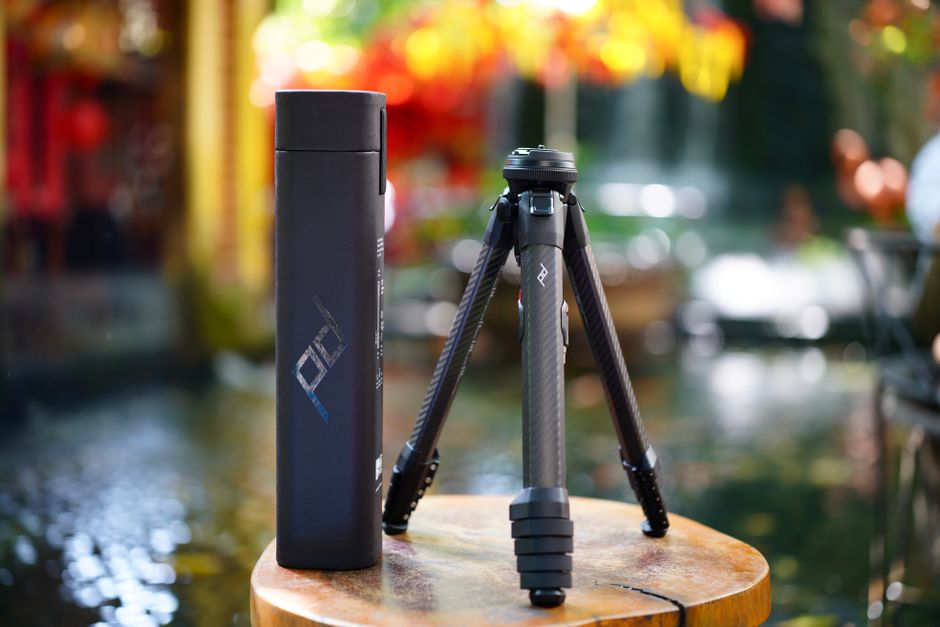
Tripod Stability: Unveiling Load Capacity and Design Principles for Unwavering Support
The tripod, a seemingly simple three-legged structure, is a cornerstone of stability for photographers, videographers, surveyors, and countless other professionals. Its fundamental design, rooted in geometry, provides a remarkably stable platform. However, the true measure of a tripod’s efficacy lies in its load capacity and the intricate design principles that govern its performance. Understanding these elements is paramount to selecting the right tripod for specific needs, ensuring reliable support for valuable equipment and preventing costly accidents.
The Cornerstone of Stability: Load Capacity Explained
Load capacity, often expressed in kilograms or pounds, is the maximum weight a tripod can safely support without compromising its structural integrity or stability. This figure is not arbitrary; it’s a critical specification derived from rigorous testing and an understanding of the materials and construction employed. Exceeding a tripod’s load capacity can lead to a cascade of detrimental effects:
- Flexing and Wobbling: The legs and center column will bend under excessive weight, introducing unwanted movement and blurring images.
- Joint Failure: The locking mechanisms on the legs and center column can slip or fail, causing the tripod to collapse.
- Component Damage: The head mount, legs, or even the attached equipment can be damaged due to stress.
- Complete Collapse: In extreme cases, the tripod can buckle entirely, leading to catastrophic failure and potential damage to expensive gear.
Factors Influencing Load Capacity:
Several interwoven factors contribute to a tripod’s load capacity:
- Material Strength: The primary determinant is the material used for the legs and center column.
- Aluminum Alloys: Common and cost-effective, offering good strength-to-weight ratios. Different alloys and thicknesses provide varying capacities.
- Carbon Fiber: Significantly lighter than aluminum for the same strength, it offers excellent vibration dampening and corrosion resistance. High-end carbon fiber tripods boast impressive load capacities.
- Magnesium Alloys: Lighter than aluminum and offering good rigidity, but can be more expensive.
- Wood: Historically used, wood offers natural vibration dampening but is heavier and susceptible to environmental changes.
- Leg Diameter and Thickness: Thicker and wider leg tubes distribute weight more effectively and resist bending. Multi-section legs, while offering greater height, can sometimes have lower load capacities due to thinner individual sections and more complex locking mechanisms.
- Center Column Design: The center column, while providing extra height, is often the weakest point of a tripod. A robust, thick center column with a secure locking mechanism is crucial for higher load capacities. Some tripods feature removable center columns or an alternative spreader system to enhance stability.
- Leg Brace/Spreader System: Tripods with integrated leg braces or external spreaders (which connect the legs at a specific angle) significantly increase lateral stability and thus the effective load capacity. Lower leg braces offer more stability than those positioned higher up.
- Head Mount Design and Material: The mounting plate and the connection to the tripod head also play a role. A sturdy, well-machined mount is essential to transfer the load evenly to the legs.
- Joint and Locking Mechanism Strength: The quality and design of the leg locks (flip locks, twist locks) and the center column lock are critical. Secure, high-quality locks prevent slippage under load.
Beyond the Numbers: Understanding Usability and Practical Load Capacity
While a stated load capacity is a vital benchmark, it’s important to consider practical load capacity. This refers to the weight a tripod can comfortably and reliably support for its intended use, accounting for factors beyond just static weight.
- Dynamic Loads: Consider movement. If you’re panning a heavy camera, the inertia adds stress. A tripod with a higher load capacity than your static gear weight will handle these dynamic forces better.
- Wind Conditions: Outdoor photography often involves wind. A tripod’s stability is significantly challenged by wind gusts. A tripod with a substantial load capacity will be less susceptible to being blown over.
- Head Choice: The tripod head itself has its own load capacity. The overall system’s capacity is limited by the weakest component. A heavy-duty head on a lightweight tripod will negate the head’s strength.
- Leg Extension: As legs are extended, their stability decreases. A tripod will generally support less weight when fully extended compared to when its legs are collapsed.
- Center Column Usage: Extending the center column reduces stability. For maximum stability, it’s best to keep the center column lowered or retracted as much as possible.
Design Principles for Superior Tripod Stability
The effectiveness of a tripod hinges on intelligent design that maximizes stability and minimizes unwanted movement.
- Triangular Geometry: The fundamental strength of a tripod lies in its inherent triangular structure. A triangle is the most rigid geometric shape, resisting deformation. The three legs create a stable base, distributing weight across multiple points.
- Leg Angle and Spread: The angle at which the legs splay outwards is critical. A wider leg spread provides a larger footprint and thus greater stability. Many tripods offer multiple leg angle settings, allowing users to adapt to different terrains and height requirements. A wider angle is generally preferable for maximum stability, especially when dealing with heavier loads or windy conditions.
- Center of Gravity Management: A well-designed tripod aims to keep the center of gravity of the supported equipment as low as possible. This is achieved through:
- Leg Design: Legs that angle outwards contribute to a lower center of gravity.
- Center Column: While providing height, the center column raises the center of gravity. Using the lowest possible setting or removing it when not needed is ideal.
- Hook for Weight: Many tripods feature a hook at the bottom of the center column. Hanging a bag or other weight here lowers the overall center of gravity, significantly enhancing stability, especially in windy conditions.
- Material Properties: Beyond sheer strength, material properties like rigidity (resistance to bending) and damping (ability to absorb vibrations) are crucial.
- Rigidity: Materials like carbon fiber offer excellent rigidity, preventing leg flex.
- Damping: Carbon fiber and certain metal alloys excel at damping vibrations, which is essential for sharp images and smooth video footage, especially when using longer exposures or telephoto lenses. Aluminum can transmit vibrations more readily.
- Leg Locking Mechanisms: Secure and reliable leg locks are paramount.
- Flip Locks: Offer quick deployment and adjustment but can sometimes loosen over time or be prone to damage.
- Twist Locks: Generally more robust and less prone to accidental opening, they offer a secure hold but can be slower to adjust. The quality of the rubber seals and internal mechanisms in twist locks is vital for long-term reliability.
- Head Mount Interface: The connection between the tripod and the head must be precise and secure.
- Thread Size: Standardized thread sizes (e.g., 3/8-16 or 1/4-20) ensure compatibility.
- Mounting Plate: A stable, non-slip mounting plate with sufficient surface area prevents the camera from shifting. Quick-release plates offer convenience but must have a secure locking mechanism.
- Feet Design: The feet of the tripod play a crucial role in grip and stability on various surfaces.
- Rubber Feet: Provide good grip on hard, smooth surfaces.
- Spiked Feet: Ideal for soft ground, grass, or sand, digging in for maximum purchase.
- Interchangeable Feet: Many higher-end tripods offer interchangeable feet, providing versatility for different shooting environments.
Choosing the Right Tripod: A Balancing Act
Selecting a tripod is a balancing act between load capacity, weight, portability, and budget.
- Identify Your Needs: What equipment will you be mounting? Consider cameras, lenses, gimbals, lights, and microphones. Factor in potential future gear.
- Prioritize Load Capacity: Always choose a tripod with a load capacity significantly higher than your heaviest anticipated setup. A good rule of thumb is to aim for at least 1.5 to 2 times your maximum expected weight.
- Consider Portability: If you frequently hike or travel, weight and folded size become critical. Carbon fiber offers a significant advantage here.
- Evaluate Stability Features: Look for tripods with robust leg locks, a solid center column, and options for leg angle adjustment and counterweight.
- Invest in a Quality Head: The tripod head is as important as the legs. Ensure the head’s load capacity complements the tripod’s.
By thoroughly understanding the principles of load capacity and the intricate design elements that contribute to tripod stability, users can make informed decisions, invest wisely, and ensure their equipment is supported by a foundation of unwavering reliability. This knowledge empowers professionals to capture their vision without the nagging worry of instability, allowing them to focus on the art of creation.