
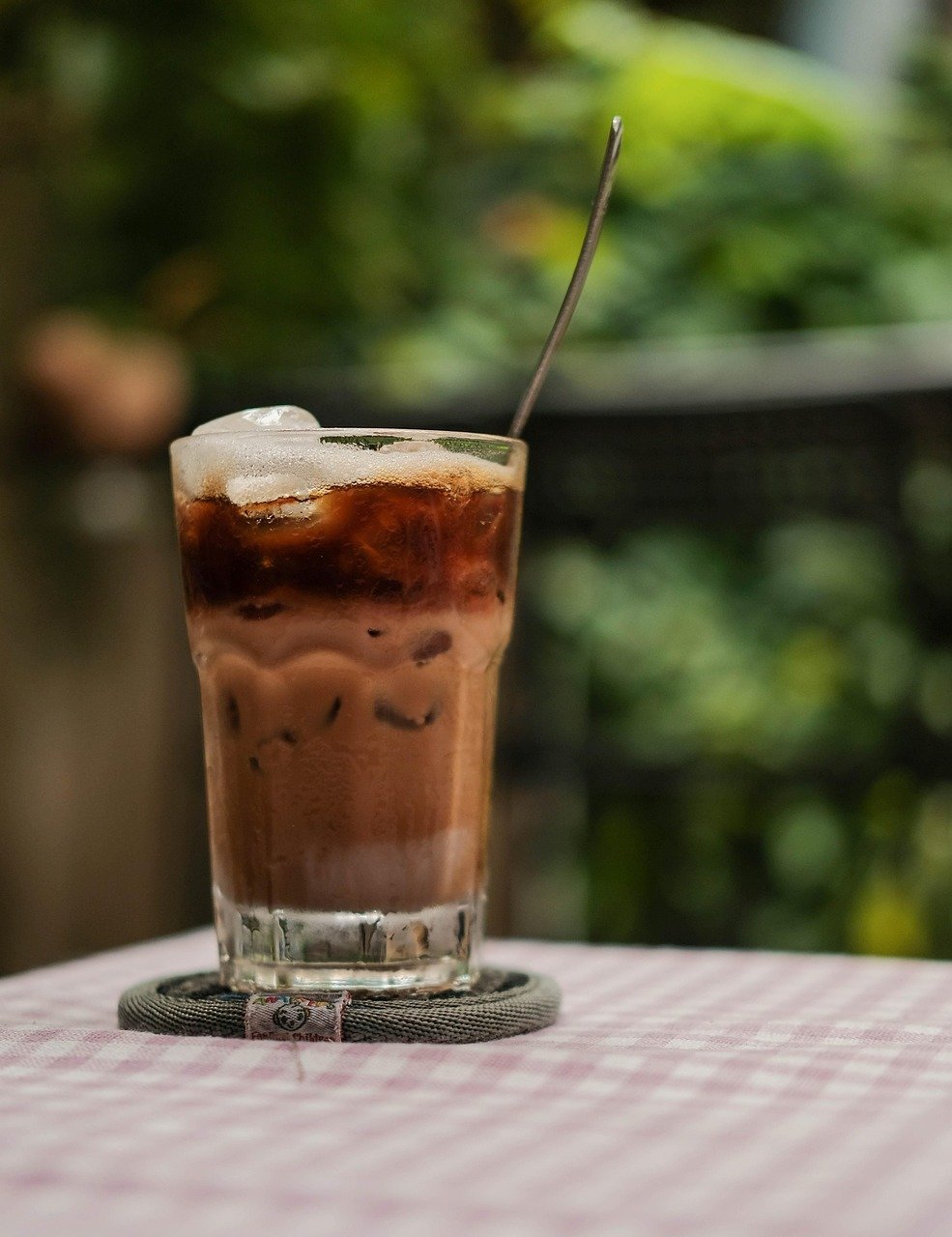
Unlock Perfect Cold Coffee with Your Electric Kettle: A Revolutionary Approach
Forget the lengthy brewing times and the need for specialized equipment. The humble electric kettle, a staple in kitchens worldwide, holds the secret to unlocking perfectly chilled, invigorating cold coffee with surprising ease and speed. This guide delves deep into the science and art of using your electric kettle to craft café-quality cold brew, demystifying the process and empowering you to create your ideal iced beverage anytime.
The Science Behind Cold Coffee and the Kettle’s Role:
Traditional cold brew relies on time, typically 12-24 hours, to extract flavor from coffee grounds using cold water. This slow immersion allows for a smoother, less acidic, and naturally sweeter profile. The challenge with this method is its lack of immediacy. Enter the electric kettle. While seemingly counterintuitive, the kettle’s ability to precisely heat water becomes a crucial tool for accelerating the flavor extraction process without compromising the desirable characteristics of cold brew.
The key lies in understanding how temperature affects the solubility of coffee compounds. Hot water extracts flavors rapidly but can also draw out bitter tannins and acids. Cold water is slow and gentle. By employing a controlled, moderate heat from your electric kettle, we can achieve a balance. We’re not aiming for a boiling brew, but rather a warm, yet not hot, infusion that significantly reduces extraction time. This “flash brew” or “Japanese-style iced coffee” method, adapted for the electric kettle, is the cornerstone of our technique.
Choosing Your Coffee Beans: The Foundation of Flavor:
The quality of your cold coffee is directly proportional to the quality of your beans. For cold coffee, especially when employing a faster extraction method, opt for medium to medium-dark roasts. These roasts offer a good balance of body, sweetness, and chocolatey or nutty undertones that shine through when chilled. Avoid overly dark roasts, which can become bitter when extracted quickly, and very light roasts, which might lack the depth to stand up to the chilling process.
Consider single-origin beans for a distinct flavor profile or a well-balanced blend. Experimentation is key! Try beans from Ethiopia for bright, floral notes, or from Brazil for a smoother, chocolatey experience. Freshly roasted and ground beans are paramount. Grind your beans just before brewing for the most vibrant flavor. A medium grind, similar to what you’d use for a drip coffee maker, is generally ideal for this method. Too fine a grind can lead to over-extraction and bitterness, while too coarse a grind might result in a weak brew.
The Electric Kettle Cold Coffee Method: Step-by-Step Mastery:
This method leverages the electric kettle’s precision to create a concentrated coffee base that is then rapidly chilled.
Equipment You’ll Need:
- Electric Kettle: With precise temperature control is ideal, but a standard kettle will suffice with careful observation.
- Coffee Grinder: Burr grinders are preferred for consistent particle size.
- Brewing Vessel: A French press, pour-over cone with filter, or even a large heat-resistant pitcher.
- Strainer (optional): For French press or pitcher brewing to remove fine grounds.
- Ice: Plenty of it!
- Cold Water: Filtered water is recommended for optimal taste.
- Measuring Spoons/Scale: For consistent coffee-to-water ratios.
The Process:
-
Measure and Grind Your Beans: For a standard 16oz serving, start with a ratio of 1:8 (coffee to water). For example, 20 grams of coffee to 160 grams (or ml) of water for the initial hot infusion. Adjust this ratio based on your preference for strength. Grind your beans to a medium consistency.
-
Heat Your Water: This is where the electric kettle shines. Set your kettle to approximately 195-200°F (90-93°C). If your kettle doesn’t have precise temperature control, bring the water to a boil and then let it sit for about 30-60 seconds. You want the water to be hot enough to extract flavor efficiently but not so hot that it scalds the grounds and introduces bitterness.
-
Bloom the Coffee: Place your ground coffee into your chosen brewing vessel. Pour a small amount of the heated water over the grounds, just enough to saturate them. This is called the “bloom.” Allow it to sit for 30 seconds. You’ll see the coffee grounds expand and release CO2, which is a sign of freshness and helps create a more even extraction.
-
Complete the Infusion: Slowly pour the remaining hot water over the bloomed grounds in a circular motion. Ensure all grounds are saturated. The total brewing time for this hot infusion should be around 2-4 minutes, depending on your brewing method and grind size.
- French Press: After blooming, pour the rest of the water, stir gently, place the lid on (without pressing), and let steep for 2-4 minutes.
- Pour-Over: After blooming, continue pouring the water in stages, allowing it to drip through. Aim for a total brew time of 2-4 minutes.
- Pitcher: After blooming, pour the remaining water, stir well, and let steep for 2-4 minutes.
-
Strain the Concentrate: Once the steeping time is complete, separate the coffee liquid from the grounds.
- French Press: Slowly and steadily press the plunger down.
- Pour-Over: Allow all the coffee to drip through the filter.
- Pitcher: Carefully strain the liquid through a fine-mesh sieve lined with cheesecloth or a coffee filter into a separate container.
-
Rapid Chilling: This is the crucial step for achieving “cold” coffee quickly. Fill a serving glass or shaker with ice. Pour your freshly brewed, hot coffee concentrate directly over the ice. The rapid temperature change instantly chills the coffee, locking in its flavors and preventing the development of bitterness.
-
Dilute and Serve: Your coffee concentrate is now chilled. You can either serve it as is for a strong iced coffee or dilute it with a small amount of cold water or milk to your preferred strength. Stir well and enjoy immediately.
Troubleshooting and Perfecting Your Brew:
-
Too Bitter?
- Water Temperature: Your water might have been too hot. Try reducing the temperature slightly in your next brew.
- Grind Size: Your grind might be too fine. Try a coarser grind.
- Brew Time: You might have over-extracted. Shorten the steeping time.
- Bean Choice: Consider a different bean with a less intense flavor profile.
-
Too Weak?
- Coffee-to-Water Ratio: Use more coffee or less water for your hot infusion.
- Grind Size: Your grind might be too coarse. Try a finer grind.
- Brew Time: You might need a slightly longer steeping time.
-
Acidity Too High?
- While this method aims to minimize acidity, some beans naturally have higher acidity. Try a bean with a more rounded, chocolatey profile. Ensure your water temperature is within the recommended range.
Elevating Your Cold Coffee Experience:
Once you’ve mastered the basic technique, explore variations and additions to customize your cold coffee:
- Milk and Creamers: Experiment with dairy milk, almond milk, oat milk, soy milk, or even a splash of heavy cream for a richer texture.
- Sweeteners: Simple syrup (equal parts sugar and water heated until dissolved), honey, maple syrup, or artificial sweeteners can be added to taste. Consider making a flavored simple syrup with vanilla bean or cinnamon.
- Flavor Extracts: A drop of vanilla extract, almond extract, or peppermint extract can add a delightful twist.
- Spices: A pinch of cinnamon, nutmeg, or cardamom can impart warming notes.
- Cold Foam: Froth cold milk or cream using a milk frother or by shaking vigorously in a sealed jar and pour over your cold coffee for a luxurious topping.
- Cold Brew Concentrate: For a true cold brew experience with less acidity, you can use the electric kettle to create a more concentrated hot brew (e.g., 1:4 coffee to water ratio) and then dilute it with cold water after chilling. This will yield a smoother, less bitter base.
The Electric Kettle Advantage: Speed, Consistency, and Accessibility:
The beauty of this electric kettle method lies in its accessibility and efficiency. You don’t need a dedicated cold brew maker or hours of waiting. The precise temperature control of many electric kettles ensures a repeatable and consistent brewing experience. This empowers you to enjoy a delicious, refreshing cold coffee on demand, transforming your everyday appliance into a gateway to café-quality beverages. Embrace the simplicity, experiment with your favorite beans, and unlock the perfect cold coffee with the power of your electric kettle.