
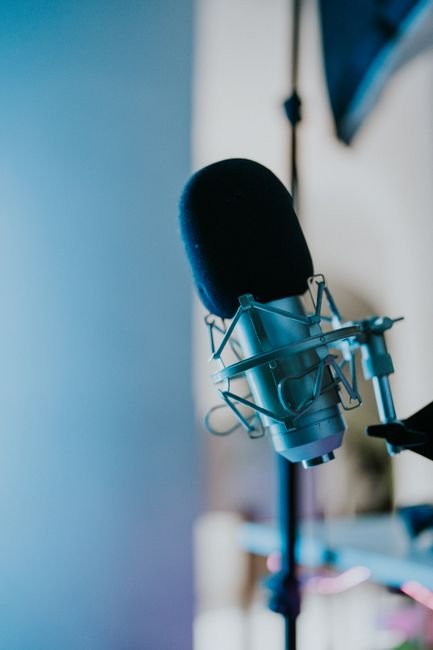
Vintage Microphone Reissues: Classic Sound for Modern Use
The allure of vintage microphones is undeniable. Their warm, characterful tones have graced countless iconic recordings, imbuing music with a timeless quality that modern microphones, while technically superior in many ways, often struggle to replicate. This has led to a burgeoning market for vintage microphone reissues, meticulously crafted to capture the sonic essence of legendary designs while incorporating modern manufacturing techniques and materials. For audio engineers, musicians, and producers seeking that elusive vintage magic, these reissues offer a compelling and accessible pathway to achieving classic sound for contemporary productions.
The demand for vintage microphones stems from their unique sonic signatures, often shaped by the limitations and specific material choices of their era. Older designs frequently utilized less refined manufacturing processes, leading to subtle imperfections that, paradoxically, contribute to their desirable character. Components like aged transformers, hand-wound coils, and specific diaphragm materials (often thinner and more delicate than modern counterparts) all played a crucial role in shaping the frequency response, harmonic content, and transient handling of these instruments. The quest for these sonic qualities, coupled with the scarcity and exorbitant cost of genuine vintage units, has fueled the rise of reissues.
One of the primary drivers behind the success of vintage microphone reissues is the dedication to authenticity. Reputable reissue companies invest heavily in researching original schematics, sourcing or meticulously recreating vintage components, and employing craftsmen who understand the nuances of vintage microphone construction. This often involves reverse-engineering original units, carefully analyzing their electrical and acoustic properties, and painstakingly documenting every detail. The goal is not simply to create a microphone that sounds like a vintage one, but one that is as close as technologically and practically possible to the original in terms of its sonic DNA.
Consider the iconic Neumann U47. Its warm, rich mid-range and smooth top-end have made it a staple for vocals, particularly for male voices. Reissues of the U47, such as those offered by Neumann itself or by third-party manufacturers who have painstakingly recreated the original design, aim to capture this legendary sound. This often involves using similar transformer designs (sometimes hand-wound by the same artisans or companies that supplied Neumann in the past), replicating the specific capsule geometry and materials, and even using vacuum tubes that are as close as possible to the original Telefunken EF14 or VF14 tubes. The result is a microphone that, while new, can deliver the familiar and highly sought-after U47 character.
Similarly, the Shure SM57 and SM58, ubiquitous workhorses of live sound and studio recording for decades, have seen their own share of reissues and inspired modern interpretations. While not as overtly “vintage” in their sonic profile as a tube condenser, their robust construction, consistent performance, and characteristic mid-range presence have made them indispensable. Reissues or closely related modern versions often focus on maintaining that reliable performance while perhaps offering enhanced durability or slightly refined frequency response for specific applications.
The engineering challenges in creating faithful reissues are significant. Sourcing or recreating vintage-style transformers is a prime example. These iron-cored beasts are crucial for imparting harmonic richness and a pleasing coloration to the signal. Modern manufacturing often favors nickel-iron alloys or amorphous cores for their linearity and efficiency, but these can lack the subtle saturation and warmth of older iron. Companies specializing in reissues often partner with transformer manufacturers who can replicate the specific winding techniques, core materials, and dimensions of the originals.
Another critical component is the microphone capsule. This is the heart of any microphone, converting sound waves into electrical signals. Vintage capsules often featured thinner diaphragms, sometimes made of Mylar or a similar material, with specific tensioning and metallization processes. Recreating these with modern materials while maintaining the original acoustic properties requires a deep understanding of physics and material science. The goal is to achieve the same resonant frequencies, sensitivity, and directional characteristics as the original.
Vacuum tubes, when applicable to the reissue, present another layer of complexity. The specific characteristics of tubes like the EF14 in the U47 are legendary. While exact replacements can be difficult to find, manufacturers of reissues often source NOS (New Old Stock) tubes or work with tube manufacturers to produce new tubes that closely match the tonal qualities and performance parameters of the originals. The subtle variations between individual tubes, a hallmark of vintage gear, can also be a desired characteristic that reissues strive to preserve.
The benefits of using vintage microphone reissues extend beyond mere sonic replication. Firstly, they offer a significantly more accessible price point than genuine vintage units, which can fetch astronomical sums on the used market. This democratizes access to classic sounds, allowing home studios and smaller professional facilities to achieve professional-grade results without breaking the bank.
Secondly, reissues offer the peace of mind that comes with modern manufacturing standards. Vintage microphones, especially those that have been in use for decades, can be prone to wear and tear. Components can degrade, capsules can become damaged, and electronics can develop faults. A reissue, being new, comes with a warranty and the assurance of reliable performance. This reduces the risk of unexpected maintenance costs and downtime.
Furthermore, reissues often incorporate subtle modern improvements that enhance usability without compromising the original character. This might include more robust connectors, improved internal shielding to reduce noise, or even switchable polar patterns on microphones that originally had a fixed pattern. These enhancements can make the microphone more versatile in a modern studio environment.
The selection of vintage microphone reissues is vast and continues to grow. Beyond the aforementioned U47 and SM57/58, many other classic designs have been brought back to life. The AKG C12, known for its airy, open top-end and smooth mid-range, is another prime example. Reissues aim to capture its delicate high frequencies and extended presence. Similarly, microphones like the RCA 44-BX and 77-DX, ribbon microphones with their unique, often described as “velvety,” sound, have inspired modern interpretations that seek to replicate their warmth and natural sound.
When considering vintage microphone reissues, it’s crucial to research the manufacturer and their commitment to authenticity. Reputable companies will be transparent about their design philosophy, the components they use, and the original microphones they are emulating. Reading reviews from trusted audio publications and listening to shootouts comparing reissues to original units can provide valuable insights.
The application of vintage microphone reissues in modern production is incredibly diverse. For vocals, the warm, present sound of a U47 reissue can be ideal for pop, rock, or R&B. A C12 reissue can bring an ethereal quality to female vocals or acoustic instruments. For drums, a reissue of a classic dynamic microphone might offer the punch and grit needed for rock and metal. Ribbon microphone reissues are excellent for capturing the natural warmth of brass instruments, guitar amps, and overheads, providing a smoother alternative to condensers.
The choice between a genuine vintage microphone and a high-quality reissue often comes down to budget, reliability, and the specific sonic nuances desired. While some purists may argue that only a true vintage unit can possess the “mojo” of the original, modern reissues have reached a level of fidelity that makes them indistinguishable to most ears in a blind test. For many, the practical advantages of a reissue – affordability, warranty, and consistent performance – far outweigh the potential sonic subtleties of an aged original.
In conclusion, vintage microphone reissues represent a significant advancement in audio technology, bridging the gap between the revered sounds of the past and the demands of modern recording. By meticulously recreating the sonic characteristics of legendary microphones, these reissues empower engineers and musicians to imbue their productions with a timeless warmth, depth, and character that continues to define great recordings. The investment in a well-crafted reissue is an investment in sonic heritage, offering a tangible piece of audio history that remains vital and relevant in today’s ever-evolving music landscape.