
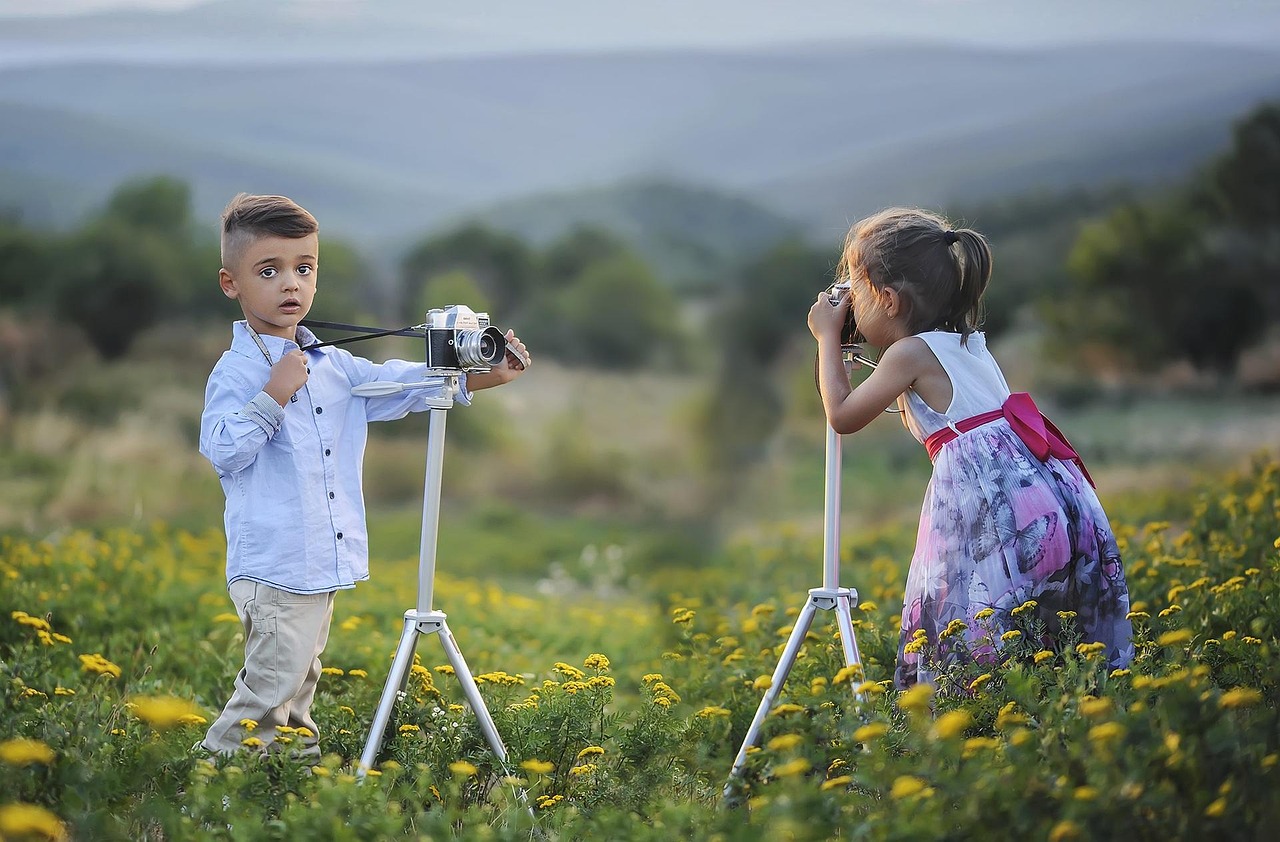
The Ultimate Tripod Buying Guide: Find Your Perfect Match
Choosing the right tripod is a monumental decision for any photographer or videographer. It’s not merely an accessory; it’s the bedrock of stability, the enabler of sharp images, and the key to unlocking creative possibilities. A robust tripod allows for long exposures, precise composition, smooth panning, and frees you from the fatigue of handheld shooting. But with a bewildering array of options, how do you navigate the landscape and find the perfect match for your needs? This comprehensive guide will demystify the process, equipping you with the knowledge to make an informed purchase.
Understanding the Core Components: What Makes a Tripod Tick?
Before diving into materials and features, let’s dissect the fundamental parts of a tripod:
- Legs: These are the primary support structure. Their design, material, and number of sections significantly impact stability, weight, and maximum height.
- Leg Locks: These mechanisms secure the leg sections at your desired height. Common types include flip locks and twist locks, each with its own advantages and disadvantages.
- Center Column: This vertical column extends from the tripod head, allowing for fine-tuning of height. Some tripods offer reversible or removable center columns for low-angle shooting.
- Head: This is the crucial interface between your camera and the tripod. It controls movement, stability, and how you frame your shots. Ball heads, pan-tilt heads, and fluid heads are the most prevalent.
- Feet: The base of the legs, designed to grip various surfaces. Options include rubber feet, spikes, and claws, offering versatility in different environments.
Material Matters: The Foundation of Stability and Portability
The material of your tripod’s legs is a critical determinant of its weight, durability, and price.
- Aluminum Alloys: The workhorse of the tripod world. Aluminum tripods are generally more affordable, durable, and offer good stability. However, they tend to be heavier than their carbon fiber counterparts. They are an excellent choice for budget-conscious photographers or those who don’t frequently travel long distances with their gear.
- Carbon Fiber: The premium choice for serious photographers and travelers. Carbon fiber is significantly lighter than aluminum, making it ideal for hiking and air travel. It also offers superior vibration dampening, leading to sharper images, especially in windy conditions. While more expensive, the weight savings and performance benefits are often worth the investment for professionals and enthusiasts.
- Magnesium Alloy: Less common than aluminum or carbon fiber, magnesium alloy offers a good balance of strength and lightness, often falling between aluminum and carbon fiber in terms of price and performance.
Choosing the Right Head: The Brains of the Operation
The tripod head dictates how you interact with your camera and frame your shots. Selecting the appropriate head is paramount to your shooting experience.
- Ball Heads: The most popular choice for still photography. Ball heads offer quick and intuitive adjustments with a single lever. They allow for fluid movement in any direction, making them excellent for landscape, portrait, and general photography. Look for models with independent pan and tilt locks for greater precision.
- Pros: Fast, versatile, compact.
- Cons: Can be less precise for video, may drift slightly when locked with heavy cameras.
- Pan-Tilt Heads (3-Way Heads): These heads feature separate controls for panning (horizontal movement), tilting (up/down), and sometimes roll (side-to-side). They offer exceptional precision and control, making them ideal for architectural photography, product photography, and any situation requiring precise framing.
- Pros: Highly precise, excellent for static subjects, good for macro.
- Cons: Slower to adjust than ball heads, can be bulkier.
- Fluid Heads: Primarily designed for videography, fluid heads utilize a damping system to provide smooth, controlled movements. This is essential for cinematic pans and tilts without jerky motion. They are also an excellent choice for wildlife photographers who need to track moving subjects with precision.
- Pros: Incredibly smooth motion for video, excellent for tracking moving subjects.
- Cons: Can be overkill for still photography, generally more expensive.
- Gimbal Heads: A specialized head designed for large telephoto lenses, particularly for wildlife and sports photography. A gimbal head allows the camera and lens to pivot around their center of gravity, offering effortless and balanced movement with heavy, long lenses.
- Pros: Perfect for heavy telephoto lenses, effortless tracking of moving subjects.
- Cons: Bulky, expensive, not suitable for general photography.
Key Features to Consider: Optimizing for Your Workflow
Beyond the fundamental components and materials, several features can enhance your tripod’s usability and performance.
- Maximum Load Capacity: This is a critical specification. Ensure your tripod’s load capacity significantly exceeds the weight of your camera body, lens, and any accessories you typically use. Overloading a tripod can lead to instability and potential damage.
- Maximum and Minimum Height: Consider the range of heights you’ll need. A tall tripod is useful for eye-level shooting without a center column, while a low minimum height is essential for macro photography and creative low-angle shots. Many tripods offer a reversible center column or the ability to spread the legs wide for low-angle work.
- Weight and Portability: If you’re a frequent traveler or hiker, weight is a paramount concern. Carbon fiber tripods excel in this area. Consider the overall weight of the tripod and head combined.
- Leg Sections: Tripods typically have 2, 3, or 4 sections per leg. More sections allow for greater compactness when folded but can also introduce more flex and reduce stability. Three-section legs are often considered a good balance.
- Leg Locks:
- Flip Locks: Easy to operate with one hand, even with gloves on. They offer quick adjustments but can sometimes be prone to dust and grit ingress.
- Twist Locks: Offer a more streamlined profile and can be more resistant to dirt. However, they may require two hands to operate and can be less intuitive for some users.
- Quick-Release Plate: A universally adopted standard that allows you to quickly attach and detach your camera from the tripod head. Look for Arca-Swiss compatibility, as it’s a widely supported standard among camera manufacturers and accessory makers.
- Monopod Conversion: Some tripods feature a removable leg that can be converted into a monopod, offering a versatile solution for situations where a full tripod is impractical.
- Hook for Weight: Many tripods have a hook at the bottom of the center column. Hanging a bag or weight here can significantly improve stability, especially in windy conditions.
- Leveling Bubble: Essential for ensuring your horizon is perfectly straight, particularly in landscape photography.
Matching Your Tripod to Your Photography Style
The best tripod for you is entirely dependent on your photographic pursuits.
- Landscape Photography: Stability, reach, and weather resistance are key. Look for sturdy aluminum or carbon fiber tripods with a good load capacity and a head that allows for precise framing. A reversible center column for low-angle shots is a bonus.
- Travel Photography: Portability and weight are paramount. Lightweight carbon fiber tripods with compact folded dimensions and reliable leg locks are ideal. A ball head offers quick adjustments on the go.
- Wildlife and Sports Photography: Speed, smooth tracking, and the ability to support heavy telephoto lenses are crucial. A gimbal head is often the best choice for heavy lenses, while a fluid head can be excellent for tracking moving subjects.
- Macro Photography: Low minimum height, stability, and precise adjustments are essential. Tripods that can splay their legs wide or have a center column that can be angled horizontally are highly beneficial.
- Videography: Smooth panning and tilting are non-negotiable. Fluid heads are the standard for video work. Consider the tripod’s ability to support the weight of your camera rig and any accessories.
- Astrophotography: Long exposures and precise framing are critical. A very stable tripod with a head that can hold its position precisely is essential. Consider a tripod that can handle the weight of a telescope if that’s your focus.
Budget Considerations: Investing Wisely
Tripod prices can range from under $100 to well over $1000.
- Entry-Level ($50-$200): Basic aluminum tripods with simple ball heads. Suitable for casual photographers or those on a very tight budget. Be prepared for compromises in stability and build quality.
- Mid-Range ($200-$500): Offer a good balance of quality, features, and price. You’ll find better aluminum and some entry-level carbon fiber options with more robust heads.
- High-End ($500+): Premium carbon fiber tripods with professional-grade ball heads, fluid heads, or gimbal heads. These are built for durability, performance, and often feature advanced features.
Maintenance and Care: Ensuring Longevity
Treating your tripod well will ensure it serves you reliably for years to come.
- Clean Regularly: Wipe down legs and head with a damp cloth to remove dirt and grime.
- Lubricate Moving Parts: Periodically lubricate leg locks and head mechanisms with a silicone-based lubricant.
- Avoid Harsh Environments: While many tripods are built for durability, prolonged exposure to saltwater