
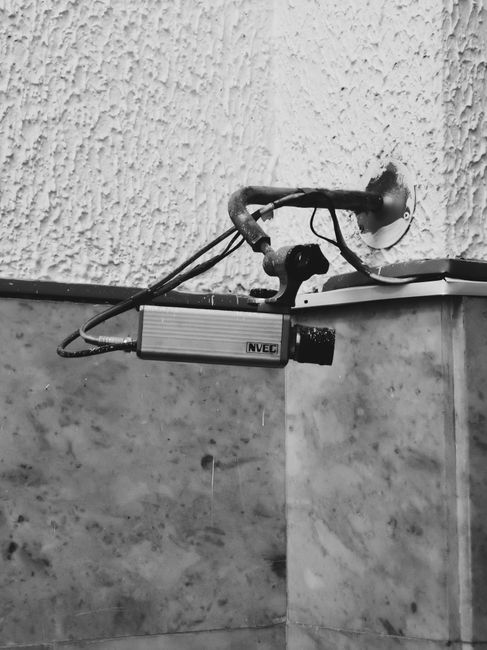
Indoor vs. Outdoor CCTV Cameras: Key Differences in Security Surveillance
Choosing the right Closed-Circuit Television (CCTV) camera system is paramount for effective security. A critical initial decision involves differentiating between cameras designed for indoor and outdoor environments. While both serve the fundamental purpose of surveillance, their construction, features, and optimal applications diverge significantly. Understanding these key differences empowers individuals and businesses to select the most appropriate and cost-effective solutions for their specific security needs. This detailed exploration delves into the core distinctions, guiding you through the factors that separate indoor and outdoor CCTV cameras.
Environmental Robustness and Durability: The Primary Differentiator
The most striking contrast between indoor and outdoor CCTV cameras lies in their ability to withstand environmental elements. Outdoor cameras are engineered to endure the rigors of constant exposure to weather, including rain, snow, dust, extreme temperatures, and direct sunlight. This necessitates a higher degree of ruggedness in their construction.
-
Weatherproofing (IP Ratings): Outdoor cameras typically boast high Ingress Protection (IP) ratings, such as IP66, IP67, or even IP68. These ratings signify their resistance to dust ingress and water penetration. An IP66 rating, for instance, indicates complete protection against dust and powerful water jets. Indoor cameras, conversely, are not designed for such exposure and generally lack these specialized weatherproofing certifications. Their internal components are more vulnerable to moisture and particulate matter.
-
Temperature Extremes: Outdoor environments experience significant temperature fluctuations. Outdoor cameras are built with materials and internal components capable of operating reliably within a broad temperature range, from freezing cold to scorching heat. Indoor cameras, while functional in typical room temperatures, are not designed to tolerate the wide swings experienced outdoors, which can lead to malfunction or premature failure.
-
UV Resistance and Sunlight: Direct sunlight can degrade plastic casings and affect image sensors over time. Outdoor cameras often feature UV-resistant materials and coatings to prevent discoloration and damage from prolonged sun exposure. Indoor cameras are not subjected to this, so such features are absent.
-
Vandal Resistance: In public or accessible outdoor areas, cameras can be targets of vandalism. Many outdoor cameras are equipped with vandal-proof housings, often made of robust metal alloys and featuring tamper-proof screws. These casings protect the camera’s internal components from physical damage. Indoor cameras, typically installed in controlled environments, usually have less robust casings, prioritizing aesthetics over extreme durability.
Image Quality and Performance: Tailored for Specific Conditions
While both camera types aim for clear footage, their image quality and performance are optimized for their intended environments.
-
Low-Light and Night Vision: Outdoor surveillance often extends into the night. Consequently, outdoor cameras are frequently equipped with advanced infrared (IR) illuminators. These LEDs emit invisible infrared light, allowing the camera to capture clear black-and-white images in complete darkness. The range and effectiveness of IR illumination are crucial considerations for outdoor setups. Indoor cameras may have some low-light capabilities, but they generally lack the powerful IR illumination found on their outdoor counterparts. Their performance is usually adequate for well-lit indoor spaces.
-
Wide Dynamic Range (WDR): Outdoor environments often present challenging lighting scenarios, such as direct sunlight juxtaposed with deep shadows. Wide Dynamic Range (WDR) technology allows cameras to capture detail in both the brightest and darkest areas of a scene simultaneously. This is particularly important for outdoor cameras to prevent blown-out highlights or completely obscured shadows. While some high-end indoor cameras may offer WDR, it’s a more standard and critical feature for outdoor surveillance.
-
Resolution and Detail: Both indoor and outdoor cameras are available in various resolutions, from standard definition to 4K and beyond. However, the need for high resolution might be more pronounced for outdoor cameras, especially for identifying distant objects or individuals. This allows for greater detail when zooming in on footage, which can be crucial for evidence gathering.
-
Field of View: The required field of view can differ. Outdoor cameras might need a wider angle to cover larger areas, such as parking lots or perimeters. Indoor cameras might be focused on narrower corridors or specific points of interest. However, both types offer a range of lens options to accommodate different coverage needs.
Connectivity and Power: Practical Considerations
The practicalities of installation and power supply also present differences.
-
Power Over Ethernet (PoE): Many outdoor cameras, especially those requiring robust connectivity and power over longer distances, utilize Power over Ethernet (PoE). This technology allows both data and power to be transmitted through a single Ethernet cable, simplifying installation and reducing the need for separate power outlets. While PoE is also available for indoor cameras, it’s a more prevalent and often essential feature for outdoor deployments.
-
Wireless Connectivity: Both indoor and outdoor cameras can be wireless, but the reliability of wireless signals in outdoor environments can be a concern due to obstructions and interference. Outdoor wireless cameras often feature more powerful antennas and robust wireless protocols to ensure stable connections. Indoor wireless cameras can also face interference, but generally from fewer sources.
-
Cable Management: Outdoor installations often require longer cable runs and more complex cable management to ensure weather protection and prevent damage. Indoor installations typically have simpler cable routing within walls and ceilings.
Installation and Mounting: Adapting to the Environment
The mounting hardware and installation process are tailored to the intended location.
-
Mounting Brackets: Outdoor cameras come with specialized mounting brackets designed for secure attachment to walls, poles, or eaves, often with provisions for weather protection. Indoor cameras usually have simpler mounting solutions suitable for ceilings, walls, or desks.
-
Ease of Access: While accessibility is a factor for both, outdoor cameras might be positioned at higher, less accessible locations to deter tampering and provide a broader view. This can influence the design for maintenance and adjustments. Indoor cameras are generally more accessible for routine checks and adjustments.
-
Aesthetics: Indoor cameras often prioritize a discreet and aesthetically pleasing design to blend into the interior decor. Outdoor cameras, while also available in various styles, are primarily judged on their functionality and durability.
Cost and Maintenance: Long-Term Implications
The initial purchase price and ongoing maintenance can also be differentiating factors.
-
Initial Cost: Due to their more robust construction, advanced features like IR illumination and WDR, and weatherproofing, outdoor CCTV cameras generally have a higher upfront cost than comparable indoor models.
-
Maintenance and Lifespan: The durability of outdoor cameras translates to a longer lifespan in harsh conditions, potentially reducing the frequency of replacements. However, exposure to the elements can also lead to wear and tear, requiring more frequent cleaning of lenses or checks of seals. Indoor cameras, in a controlled environment, may have a longer lifespan with less direct environmental impact, but might be more susceptible to damage from accidental bumps or internal component failure due to dust accumulation if not maintained.
Choosing the Right Camera: A Strategic Decision
The fundamental distinction between indoor and outdoor CCTV cameras boils down to their intended operating environment. Indoor cameras are designed for controlled, climate-regulated spaces, prioritizing aesthetics and basic surveillance. Outdoor cameras are built to withstand the elements, offering enhanced durability, advanced low-light capabilities, and weatherproofing to ensure reliable security in exposed locations. Making an informed choice requires a thorough assessment of the specific security needs, the environmental conditions of the installation site, and the budget available. By understanding these key differences, individuals and businesses can invest in a CCTV system that provides optimal protection and peace of mind.