
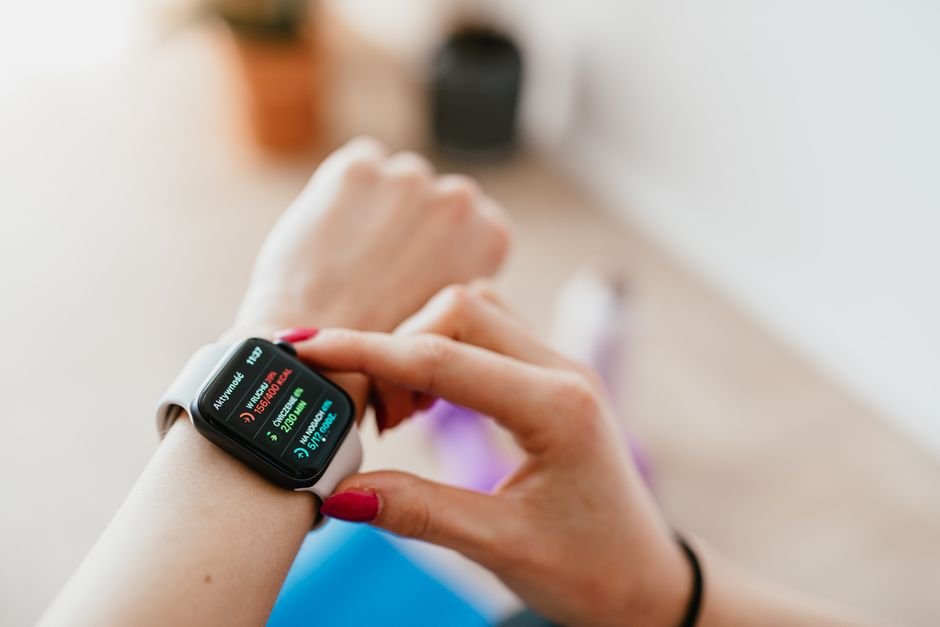
Unlock Your Potential: Personalized Workouts Fueled by Accurate Fitness Band HR Data
The era of one-size-fits-all fitness is rapidly fading. Today’s health-conscious individuals are seeking a more nuanced, data-driven approach to their workouts, one that caters to their unique physiology and goals. At the heart of this revolution lies the humble fitness band, now equipped with increasingly sophisticated sensors, most notably accurate heart rate (HR) monitors. These devices are no longer mere step counters; they are powerful tools enabling truly personalized workouts, transforming how we train, recover, and ultimately, achieve our fitness aspirations.
The significance of accurate heart rate data cannot be overstated. During exercise, your heart rate is a direct reflection of your cardiovascular system’s exertion. By precisely tracking this metric, fitness bands provide invaluable insights into your body’s response to different intensities. This information is the bedrock upon which personalized workout plans are built. Gone are the days of guessing if you’re pushing hard enough or overtraining. With reliable HR data, you can train smarter, not just harder, leading to more efficient progress and a reduced risk of injury.
The Science Behind Accurate HR Monitoring:
Modern fitness bands primarily employ two technologies for heart rate tracking: photoplethysmography (PPG) and, in some premium models, electrocardiography (ECG). PPG, the more common method, uses LEDs to shine light into your skin and detects the changes in light absorption caused by blood flow. As your heart beats, more blood rushes through your capillaries, leading to a measurable change in light reflection. Advanced algorithms are then employed to filter out noise from movement and other factors, ensuring accuracy. ECG, on the other hand, measures the electrical signals produced by your heart, offering a more direct and often more precise reading, particularly during intense or irregular heart rhythms.
The pursuit of accuracy has led to significant advancements in sensor technology and algorithmic sophistication. Manufacturers are investing heavily in research and development to minimize inaccuracies caused by skin tone, tattoo coverage, wrist movement, and even ambient temperature. When choosing a fitness band for serious workout personalization, look for models that explicitly highlight their HR accuracy testing and validation. Reputable brands often publish their findings or have their devices independently reviewed.
Personalized Workouts: The Power of HR Zones:
The most fundamental application of accurate HR data in personalized workouts is the concept of heart rate zones. These zones represent different intensity levels, each eliciting distinct physiological responses and targeting specific fitness adaptations. By understanding your individual maximum heart rate (MHR) and resting heart rate (RHR), you can calculate your personalized HR zones:
- Zone 1 (Recovery/Very Light): Typically 50-60% of MHR. This zone is for active recovery, light warm-ups, and cool-downs. It promotes blood flow and aids muscle repair without significant cardiovascular stress.
- Zone 2 (Aerobic/Light): Typically 60-70% of MHR. This is your fat-burning zone, ideal for building endurance and improving aerobic capacity. You can hold a conversation comfortably in this zone.
- Zone 3 (Tempo/Moderate): Typically 70-80% of MHR. This zone improves cardiovascular fitness and muscular endurance. Breathing becomes more noticeable, and conversation becomes more challenging.
- Zone 4 (Threshold/Hard): Typically 80-90% of MHR. This zone is crucial for improving lactate threshold and anaerobic capacity. You can only speak in short phrases.
- Zone 5 (Maximum/Very Hard): Typically 90-100% of MHR. This zone is for short bursts of maximal effort, improving speed and power. It’s unsustainable for extended periods.
Fitness bands, by continuously monitoring your HR, allow you to stay within your target zone throughout your workout. Many devices offer real-time HR zone displays and even vibrate or alert you when you deviate, ensuring you’re precisely targeting your desired physiological response.
Tailoring Workouts for Specific Goals:
The ability to accurately track HR opens up a world of personalized training strategies for various fitness objectives:
- Weight Loss: For effective fat burning, workouts should predominantly focus on Zone 2, with intermittent bursts into Zone 3 or 4 to boost metabolism and calorie expenditure. Accurate HR monitoring ensures you’re spending sufficient time in the fat-burning zone.
- Endurance Improvement: Long-duration, steady-state cardio in Zone 2 and 3 is key. Fitness bands help you maintain a consistent pace and prevent you from pushing too hard too soon, which can lead to burnout and hinder progress.
- Strength Training: While not solely reliant on HR, it plays a role. Monitoring HR during strength training can reveal recovery times between sets. Higher HRs during rest might indicate insufficient recovery, while prolonged high HRs could suggest excessive stress. Some advanced bands even offer estimated VO2 max, a key indicator of aerobic fitness that influences recovery.
- High-Intensity Interval Training (HIIT): HIIT demands precise control over work and rest intervals, often targeting Zone 4 and 5 during work periods. Accurate HR tracking ensures you’re achieving the necessary intensity during the work phases and recovering adequately during the rest phases, maximizing the benefits of this efficient training method.
- Cardiovascular Health: For individuals focused on improving their heart health, consistent training within moderate HR zones (Zone 2 and 3) is paramount. Fitness bands provide the feedback needed to ensure a safe and effective cardiovascular workout.
Beyond the Workout: Recovery and Overtraining:
Personalized workouts aren’t just about what you do during exercise; they’re also about what happens afterward. Accurate HR data, combined with other metrics like heart rate variability (HRV), provides crucial insights into your recovery status.
- Heart Rate Variability (HRV): HRV measures the variation in time between heartbeats. A higher HRV generally indicates a more resilient nervous system and better recovery. Many advanced fitness bands track HRV, offering a daily readiness score. This score can inform your training decisions, suggesting whether to push hard on a given day or opt for a lighter session or rest.
- Resting Heart Rate (RHR): A consistently lower RHR is a sign of improved cardiovascular fitness. Tracking your RHR over time can indicate progress and also alert you to potential overtraining or illness, as RHR can increase when your body is under stress.
- Sleep Tracking: Quality sleep is vital for recovery. Fitness bands that offer sleep tracking provide a holistic view of your well-being, complementing HR data to optimize your training and recovery cycles.
The Role of Smart Algorithms and Apps:
The raw HR data from a fitness band is only the beginning. Sophisticated companion apps translate this data into actionable insights. These apps:
- Calculate Personalized Zones: Based on your age, weight, and sometimes even a guided fitness test, the app can accurately determine your MHR and RHR, and subsequently, your HR zones.
- Provide Workout Recommendations: Some apps offer dynamic workout plans that adapt based on your performance, recovery data, and stated goals.
- Track Progress Over Time: Visualize your HR trends during workouts, monitor your RHR and HRV changes, and see how your fitness is improving.
- Offer Real-time Feedback: During workouts, the app can provide live HR zone notifications and pacing guidance.
- Integrate with Other Platforms: Many apps seamlessly connect with other fitness platforms and health apps, creating a comprehensive health ecosystem.
Choosing the Right Fitness Band for Personalized Workouts:
When selecting a fitness band for personalized training, consider these key features:
- HR Accuracy: Prioritize brands known for their reliable HR sensors. Look for reviews and independent testing.
- Continuous HR Monitoring: Ensure the band tracks your HR 24/7, not just during workouts, to provide a comprehensive picture of your cardiovascular health.
- HR Zone Display: Real-time HR zone feedback is essential for effective training.
- Companion App Functionality: A robust and intuitive app that provides detailed analysis and actionable insights is crucial.
- Additional Metrics: Consider features like HRV tracking, sleep analysis, and GPS for outdoor activities.
- Comfort and Durability: You’ll be wearing it constantly, so comfort and water resistance are important.
The Future of Personalized Fitness:
The integration of accurate HR data with artificial intelligence and machine learning is paving the way for even more sophisticated personalized workouts. Imagine fitness bands that can predict your optimal training load based on your genetics, stress levels, and even environmental factors. The future of fitness is data-driven, and fitness bands with accurate HR monitoring are the key to unlocking your individual potential. By embracing this technology, you’re not just exercising; you’re engaging in a personalized journey of self-improvement, guided by the most intimate data your body provides.