
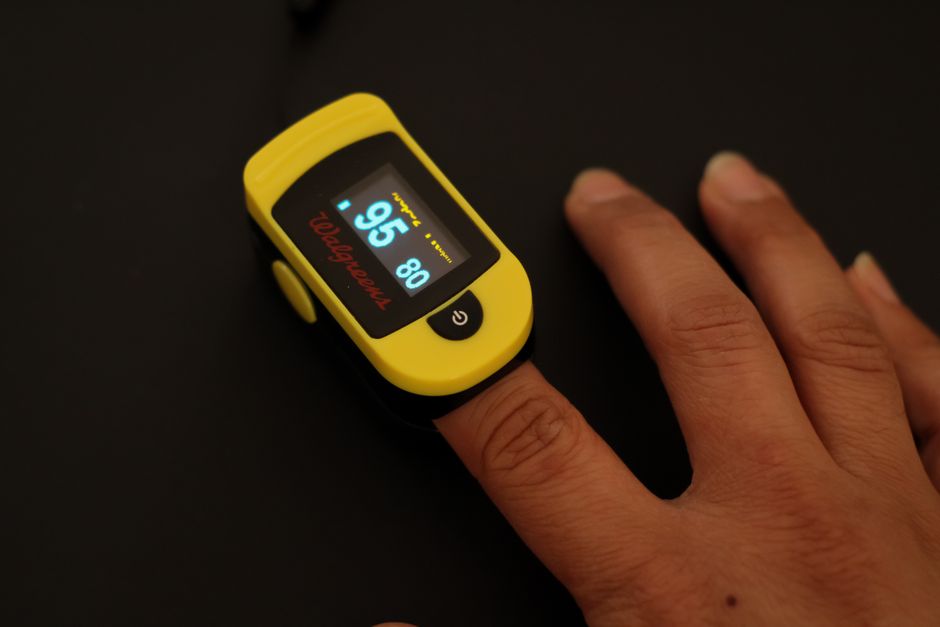
Fitness Band with SpO2: Your Vital Oxygen Tracker for Enhanced Wellness
The modern fitness band has evolved far beyond simple step counting. Today, these wrist-worn companions offer a sophisticated suite of health monitoring tools, with SpO2 tracking emerging as a standout feature. Understanding and monitoring your blood oxygen saturation (SpO2) levels can provide invaluable insights into your overall health, fitness, and even potential underlying medical conditions. This article delves deep into the world of fitness bands with SpO2, exploring what it is, why it matters, how it works, and how to leverage this technology for a healthier you.
Understanding Blood Oxygen Saturation (SpO2)
SpO2 refers to the percentage of hemoglobin in your blood that is carrying oxygen. Hemoglobin, a protein found in red blood cells, is responsible for transporting oxygen from your lungs to your body’s tissues. A healthy SpO2 level typically ranges from 95% to 100%. Levels below 90% are generally considered low and may indicate a medical concern requiring attention.
Why is SpO2 Tracking Important?
Monitoring your SpO2 levels offers a window into your body’s ability to effectively deliver oxygen. This information can be crucial for:
- Assessing Respiratory Health: Low SpO2 can be an early indicator of respiratory issues such as asthma, COPD, pneumonia, or sleep apnea. By tracking trends, you can identify potential problems before they become severe.
- Optimizing Athletic Performance: Athletes, especially those engaged in endurance sports or high-altitude training, can benefit from SpO2 monitoring. Adequate oxygenation is vital for muscle function and recovery. Tracking SpO2 during strenuous activity can help athletes understand their body’s response and adjust training accordingly.
- Monitoring Sleep Quality: During sleep, breathing can naturally fluctuate. A fitness band with SpO2 can detect significant drops in oxygen levels, which might signal sleep apnea or other sleep-disordered breathing. This data can prompt a conversation with a healthcare professional.
- Understanding Altitude Acclimatization: For trekkers, mountaineers, or frequent travelers to high altitudes, SpO2 tracking is indispensable. It helps gauge how well your body is adapting to lower oxygen levels and can alert you to potential altitude sickness.
- General Wellness Awareness: Even for individuals without known health conditions, tracking SpO2 provides a baseline understanding of their oxygenation. Unexpected drops could prompt a visit to a doctor to rule out any underlying issues.
- Post-Illness Recovery: For individuals recovering from illnesses that affect the respiratory system, SpO2 monitoring can help track progress and ensure adequate oxygenation.
How Do Fitness Bands Measure SpO2?
Fitness bands utilize a technology called photoplethysmography (PPG) to measure SpO2. This non-invasive method involves using light-emitting diodes (LEDs) and a light sensor on the underside of the band that rests against your skin.
- Light Emission: The LEDs emit two wavelengths of light: red and infrared.
- Light Absorption: As blood flows through the capillaries in your wrist, it absorbs some of this light. The amount of light absorbed depends on the oxygenation level of the hemoglobin.
- Oxygenated Hemoglobin (HbO2): Absorbs more infrared light and reflects more red light.
- Deoxygenated Hemoglobin (Hb): Absorbs more red light and reflects more infrared light.
- Light Detection: The light sensor measures the amount of light that passes through or is reflected back from your skin.
- Calculation: The device’s algorithm analyzes the difference in absorption between the red and infrared light. This differential absorption allows the band to calculate the ratio of oxygenated to deoxygenated hemoglobin, which is then converted into your SpO2 percentage.
For accurate readings, it’s important to wear the fitness band snugly but not too tightly, and ensure the sensor has good contact with your skin. Movement and external light can interfere with the readings, so it’s often best to take measurements when you are still.
Key Features to Look for in an SpO2-Enabled Fitness Band:
When choosing a fitness band with SpO2 tracking, consider the following features:
- Accuracy and Reliability: While consumer-grade devices are not medical-grade pulse oximeters, look for bands from reputable brands that have invested in accurate sensor technology and algorithms. User reviews and independent testing can be helpful.
- Continuous vs. On-Demand Tracking: Some bands offer continuous SpO2 monitoring (especially during sleep), while others require you to initiate a reading. Continuous tracking provides a more comprehensive view of your oxygen levels throughout the day and night.
- Sleep Tracking Integration: The most valuable SpO2 data is often gathered during sleep. Ensure the band seamlessly integrates SpO2 readings into its sleep tracking reports, highlighting any significant drops or patterns.
- Data Visualization and Trends: The accompanying app should present your SpO2 data in an easy-to-understand format, including graphs, historical trends, and average readings. This allows you to identify patterns and changes over time.
- Alerts and Notifications: Some advanced bands can alert you if your SpO2 levels drop below a predefined threshold, prompting you to take notice or consult a healthcare professional.
- Other Health Metrics: While SpO2 is important, consider bands that also offer comprehensive tracking of heart rate, activity levels, sleep stages, stress, and other vital signs for a holistic health overview.
- Battery Life: Continuous SpO2 monitoring can consume more battery. Check the battery life specifications, especially if you plan to use continuous tracking.
- Comfort and Durability: Choose a band that is comfortable to wear 24/7, including during sleep, and is durable enough for your daily activities.
- Water Resistance: If you plan to wear your band during swimming or other water activities, ensure it has adequate water resistance.
Maximizing the Benefits of Your SpO2 Fitness Band:
- Establish a Baseline: Take readings when you are feeling healthy and at rest to establish your normal SpO2 range.
- Monitor Trends, Not Just Single Readings: A single low reading might not be cause for alarm, but consistent drops or significant deviations from your baseline warrant attention.
- Correlate with Other Data: Look for connections between your SpO2 levels, heart rate, activity, and sleep quality. For instance, do your SpO2 levels drop during intense workouts? Do they dip significantly during certain sleep stages?
- Consult Your Healthcare Provider: Crucially, fitness bands are not medical devices. If you consistently observe low SpO2 readings, experience symptoms like shortness of breath, or have concerns about your respiratory health, always consult a doctor. They can perform diagnostic tests and provide professional medical advice.
- Use During Specific Activities: Track your SpO2 during strenuous exercise, at high altitudes, or when you feel unwell to gain specific insights into your body’s response.
- Be Aware of Limitations: Factors like cold extremities, poor circulation, skin pigmentation, nail polish, and excessive movement can affect reading accuracy.
SpO2 Tracking and Sleep Apnea:
Sleep apnea is a serious sleep disorder characterized by repeated interruptions in breathing during sleep. These interruptions can lead to significant drops in blood oxygen levels. Fitness bands with SpO2 tracking can be a valuable tool for identifying potential sleep apnea. If your band consistently shows drops in SpO2 during sleep, especially accompanied by snoring or gasping for air (if you have a partner who can report this), it might be a sign to discuss this with your doctor. They may recommend a formal sleep study for diagnosis and treatment.
The Future of SpO2 Monitoring in Wearables:
The integration of SpO2 tracking in fitness bands represents a significant step forward in consumer health technology. As sensor technology and algorithms continue to improve, we can expect even more accurate and reliable readings. Future advancements may include:
- More sophisticated algorithms: Better differentiation between various physiological signals and environmental factors.
- Integration with other biomarkers: Combining SpO2 data with other physiological readings for even deeper health insights.
- Personalized health recommendations: Wearables that can provide tailored advice based on individual SpO2 patterns and other health metrics.
- Improved medical-grade accuracy: While not their primary function now, the gap between consumer and medical-grade devices may narrow.
Conclusion
Fitness bands with SpO2 tracking are no longer just for fitness enthusiasts; they are becoming essential tools for anyone interested in proactively managing their health. By providing real-time insights into your blood oxygen levels, these devices empower you to understand your body’s oxygenation status, optimize your training, improve your sleep, and detect potential health concerns early. Remember to use this technology responsibly, interpret the data in conjunction with your overall well-being, and always consult a healthcare professional for any medical concerns. Embrace the power of SpO2 tracking and take a proactive step towards a healthier, more informed you.