
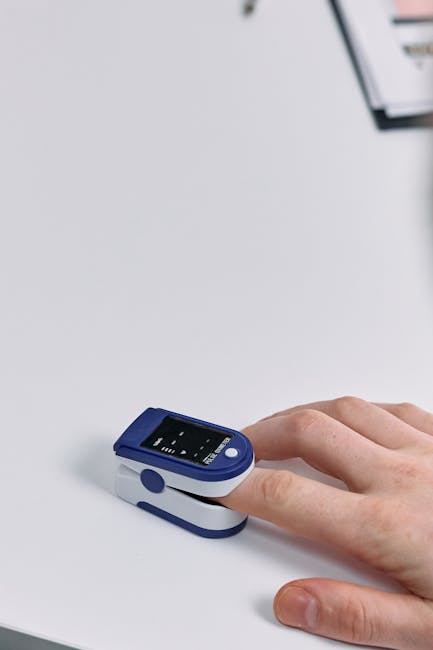
Fitness Band with SpO2: Your Advanced Health Companion for Tracking Oxygen Levels
In the ever-evolving landscape of wearable technology, fitness bands have transcended their basic step-counting origins. Today, they are sophisticated health monitoring devices, and a crucial advancement in their capabilities is the integration of SpO2 tracking. This article delves into the multifaceted benefits and functionalities of fitness bands with SpO2, empowering you to gain deeper insights into your oxygen saturation levels and overall well-being. Understanding and monitoring your SpO2 is no longer solely the domain of medical professionals; it’s now readily accessible, offering a proactive approach to health management.
What is SpO2 and Why Does it Matter?
SpO2, or peripheral oxygen saturation, is a measurement of how much oxygen your red blood cells are carrying. It’s expressed as a percentage of the maximum amount of oxygen they can hold. A healthy individual typically has an SpO2 level between 95% and 100%. This vital metric directly reflects the efficiency of your respiratory system and circulatory system in delivering oxygen to your body’s tissues and organs.
Low SpO2 levels, also known as hypoxemia, can be indicative of various underlying health conditions. These can range from respiratory illnesses like asthma, COPD (Chronic Obstructive Pulmonary Disease), and pneumonia to cardiovascular issues and even sleep disorders such as sleep apnea. During physical exertion, your body requires more oxygen, and tracking your SpO2 can reveal how effectively your body is meeting this demand. For athletes and fitness enthusiasts, this data can be invaluable for optimizing training and preventing overexertion.
How Fitness Bands Measure SpO2: The Science Behind the Sensor
Fitness bands equipped with SpO2 sensors utilize a technology called photoplethysmography (PPG). This non-invasive method employs light-emitting diodes (LEDs) and photodiodes to detect changes in blood volume and the absorption of light by hemoglobin.
Here’s a simplified breakdown of the process:
- Red and Infrared Light: The LEDs emit both red and infrared light onto your skin, typically on your wrist.
- Hemoglobin’s Role: Oxygenated hemoglobin (hemoglobin carrying oxygen) and deoxygenated hemoglobin (hemoglobin without oxygen) absorb these wavelengths of light differently. Oxygenated hemoglobin absorbs more infrared light and reflects more red light, while deoxygenated hemoglobin absorbs more red light and reflects more infrared light.
- Photodiode Detection: The photodiodes on the band detect the amount of light that is reflected back.
- Calculation: By analyzing the patterns of light absorption and reflection, the device’s algorithm calculates the ratio of oxygenated to deoxygenated hemoglobin, thus determining your SpO2 percentage.
It’s important to note that while these sensors are remarkably accurate for general health monitoring, they are not medical-grade devices and should not be used for diagnosing or treating medical conditions. However, they provide an excellent way to track trends and identify potential deviations from your personal baseline.
Benefits of Tracking SpO2 with Your Fitness Band:
The integration of SpO2 monitoring into fitness bands unlocks a wealth of benefits for proactive health management:
- Enhanced Fitness Performance and Training: For athletes, understanding SpO2 during workouts can provide crucial insights. Low SpO2 levels during intense exercise might indicate that your body is struggling to keep up with oxygen demand, potentially signaling a need to adjust training intensity, duration, or focus on improving cardiovascular endurance. It can also help identify if you’re training in an optimal heart rate zone for your goals.
- Sleep Quality Insights: SpO2 levels can fluctuate significantly during sleep. Drops in oxygen saturation during the night can be a telltale sign of sleep apnea or other respiratory disturbances that disrupt sleep quality and can have long-term health consequences. Many advanced fitness bands offer sleep tracking that includes SpO2 monitoring, allowing you to identify patterns and discuss any concerns with your doctor.
- Altitude Acclimatization: If you’re traveling to higher altitudes, monitoring your SpO2 can help you gauge how your body is adapting. Lower oxygen levels at higher elevations are normal, but significant or persistent drops can be a sign of altitude sickness.
- Respiratory Health Awareness: For individuals with pre-existing respiratory conditions, continuous SpO2 monitoring can provide valuable data to share with their healthcare providers. It allows for tracking the effectiveness of treatments and identifying potential exacerbations of their condition.
- General Well-being Monitoring: Even for generally healthy individuals, noticing a consistent drop in SpO2 without exertion could be an early indicator of an underlying issue that warrants medical attention. It empowers you to be more attuned to your body’s signals.
- Stress and Recovery Tracking: High-intensity workouts or periods of high stress can impact oxygen utilization. Monitoring SpO2 can offer another layer of data to understand your body’s response to these stimuli and inform your recovery strategies.
Choosing the Right Fitness Band with SpO2:
When selecting a fitness band with SpO2 capabilities, consider the following factors:
- Accuracy and Reliability: Look for reputable brands known for their accurate sensor technology. While no consumer device is perfect, established brands often invest more in research and development.
- Battery Life: SpO2 monitoring can consume more battery power. Ensure the band offers a reasonable battery life that suits your usage needs.
- Companion App Features: The accompanying smartphone app is crucial for visualizing your SpO2 data. Look for an app that provides clear graphs, historical trends, and actionable insights. Features like sleep stage analysis, heart rate variability, and stress tracking can further enhance the value.
- Comfort and Design: You’ll be wearing this device constantly, so comfort and aesthetics are important. Choose a band that fits well and matches your personal style.
- Additional Health Metrics: Beyond SpO2, consider other health metrics that are important to you, such as heart rate monitoring, ECG (electrocardiogram) capabilities, blood pressure estimation, body temperature, and menstrual cycle tracking.
- Water Resistance: If you plan to use your fitness band for swimming or in wet conditions, ensure it has adequate water resistance ratings.
- GPS and Activity Tracking: For serious athletes, integrated GPS for accurate distance and pace tracking during outdoor activities is a must.
Utilizing Your SpO2 Data Effectively:
Simply tracking your SpO2 isn’t enough; understanding and acting upon the data is key.
- Establish a Baseline: Take readings when you feel well and are at rest to establish your normal SpO2 range.
- Monitor Trends: Pay attention to how your SpO2 levels change over time, especially in relation to your activities, sleep, and overall health.
- During Exercise: Note your SpO2 during different intensities of exercise. If you see significant drops, consider what might be contributing to it.
- During Sleep: Review your overnight SpO2 data. Frequent or significant dips, especially if accompanied by snoring or pauses in breathing, should be discussed with a doctor.
- Consult Your Doctor: If you observe consistently low SpO2 levels, sudden drops, or any other concerning readings, it’s crucial to consult with your healthcare provider. They can interpret the data in the context of your individual health and provide appropriate medical advice.
The Future of SpO2 Tracking in Wearables:
The integration of SpO2 sensors is just one step in the continuous innovation of wearable health technology. As sensors become more advanced and algorithms more sophisticated, we can expect even more comprehensive and insightful health monitoring capabilities from our fitness bands. Future advancements may include continuous blood glucose monitoring, hydration level tracking, and even early detection of infectious diseases. The ability to track SpO2 is a significant leap forward, offering a tangible way for individuals to become more informed and proactive participants in their own health journey. By embracing this technology, you are equipping yourself with a powerful tool to understand your body better and make informed decisions for a healthier, more vibrant life.