
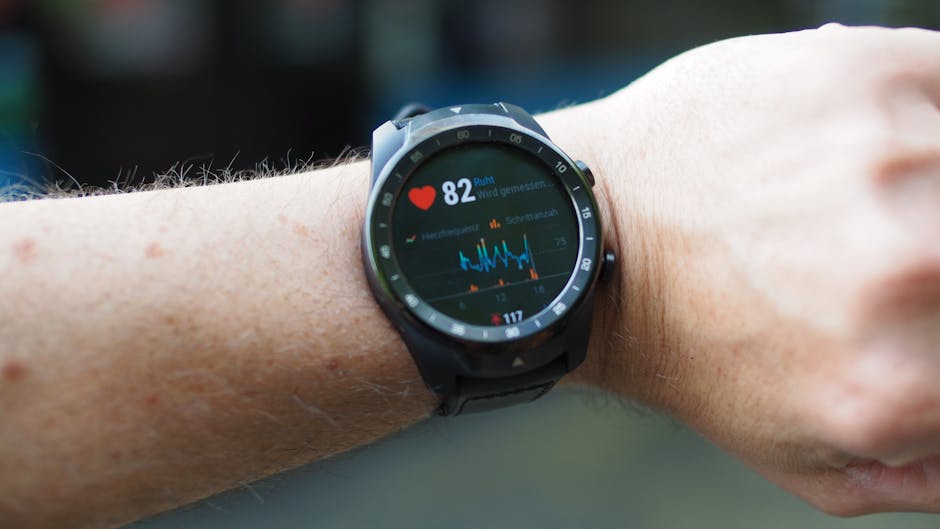
Invest in Your Well-being: Smartwatches with Heart Rate & BP Monitoring
In an era where health and wellness are paramount, proactive self-care has moved beyond sporadic doctor visits to become an integrated part of our daily lives. At the forefront of this shift are smartwatches, devices that have evolved from mere timekeepers to sophisticated personal health companions. Among their most crucial features are the ability to monitor heart rate and blood pressure, offering users invaluable insights into their cardiovascular health and empowering them to make informed lifestyle choices. Investing in a smartwatch equipped with these capabilities is not just a technological upgrade; it’s a strategic investment in your long-term well-being.
The significance of continuous heart rate monitoring cannot be overstated. Your heart rate is a vital indicator of your body’s physiological state, reflecting everything from your fitness levels to stress responses. A smartwatch with an accurate heart rate sensor provides real-time data, allowing you to track your resting heart rate, which is a strong predictor of cardiovascular fitness. A lower resting heart rate generally signifies a more efficient heart. During exercise, these devices offer invaluable feedback, helping you stay within optimal heart rate zones for different training goals – whether it’s fat burning, endurance building, or high-intensity interval training. This data helps prevent overexertion, which can be detrimental, and ensures you’re maximizing the benefits of your workouts. Furthermore, abnormal heart rate patterns, such as significant spikes or drops during rest or activity, can be early warning signs of underlying cardiac issues. Many smartwatches can detect irregularities like atrial fibrillation (AFib), a common heart rhythm disorder that, if left untreated, significantly increases the risk of stroke. Prompt detection through consistent monitoring can lead to timely medical intervention, potentially averting serious health crises.
The inclusion of blood pressure (BP) monitoring on smartwatches represents a groundbreaking advancement in accessible health technology. Traditionally, blood pressure checks required a visit to a clinic or the use of a dedicated home monitor. Now, with sophisticated sensors and algorithms, many newer smartwatches offer the convenience of on-demand BP readings directly from your wrist. Elevated blood pressure, or hypertension, is a silent killer, often presenting no symptoms until significant damage to the heart, brain, and kidneys has occurred. Regular BP monitoring empowers individuals to understand their daily fluctuations, identify trends, and recognize patterns that might be influenced by diet, stress, or physical activity. This constant awareness allows for more proactive management of hypertension, enabling users to work more effectively with their healthcare providers. By sharing this granular data, individuals can receive more personalized advice and treatment plans. For those already diagnosed with hypertension, smartwatches offer a powerful tool for tracking the effectiveness of medication and lifestyle changes. Consistent monitoring can reveal how specific foods, exercise routines, or stress-reduction techniques impact blood pressure, fostering a data-driven approach to managing this chronic condition.
The integration of both heart rate and blood pressure monitoring within a single wearable device creates a synergistic effect, providing a more holistic view of cardiovascular health. Imagine a scenario where your smartwatch detects a sudden increase in your heart rate coupled with a rise in blood pressure. This combined data could signal a period of acute stress, prompting you to engage in relaxation techniques or take a break. Conversely, observing a consistent decline in both metrics during regular exercise routines provides tangible evidence of improved cardiovascular fitness. This comprehensive data stream allows for a more nuanced understanding of how your lifestyle choices directly influence your body’s most vital functions.
Selecting the right smartwatch for your well-being investment involves careful consideration of several factors. Accuracy is paramount. Look for devices that have undergone rigorous testing and validation for their heart rate and blood pressure sensors. Reputable brands often collaborate with medical professionals and adhere to industry standards to ensure reliable readings. Ease of Use is another critical element. The interface should be intuitive, allowing for quick access to your health data and easy initiation of readings. A companion mobile app that clearly displays trends, historical data, and provides actionable insights is essential. Consider the battery life; a device that needs frequent charging might deter consistent use. Features like sleep tracking, ECG (electrocardiogram) capabilities, blood oxygen saturation (SpO2) monitoring, and stress tracking can further enhance the value proposition, offering a more comprehensive suite of health metrics.
The data generated by these smartwatches is not merely numbers; it’s a narrative of your health journey. Many devices offer advanced analytics, presenting your data in easy-to-understand graphs and charts. These visualizations help you identify correlations between your daily activities and your physiological responses. For instance, you might notice that your blood pressure consistently spikes after consuming salty foods or that your heart rate recovers more quickly after workouts as your fitness improves. This personalized feedback loop is incredibly empowering, transforming abstract health goals into concrete, measurable progress. Furthermore, the ability to export this data and share it with your doctor can lead to more informed consultations and a more collaborative approach to your healthcare.
Beyond the direct health monitoring, smartwatches contribute to well-being through their motivational and educational aspects. They can serve as constant reminders to move, hydrate, or take a moment to breathe. The gamified nature of fitness tracking, with challenges and progress milestones, can foster a sense of accomplishment and encourage adherence to healthy habits. Educational content integrated into the apps can provide valuable information about cardiovascular health, explaining the significance of different metrics and offering tips for improvement. This continuous reinforcement of healthy behaviors is crucial for long-term lifestyle change.
Investing in a smartwatch with heart rate and BP monitoring is an investment in proactive health management. It shifts the paradigm from reactive treatment to proactive prevention. By providing continuous, personalized insights into your cardiovascular system, these devices empower you to take control of your health, make informed decisions, and ultimately live a longer, healthier, and more vibrant life. The initial cost of a high-quality smartwatch pales in comparison to the potential long-term savings in healthcare expenses and, more importantly, the immeasurable value of a healthy and fulfilling life. Embrace the future of personal health and make a smart investment in your most valuable asset – your well-being.