The digital age has brought an explosion of audio choices, and at the forefront of personal listening are headphones. For decades, wired headphones were the undisputed champion, offering simplicity and consistent performance. However, the advent of Bluetooth technology has propelled wireless headphones into mainstream popularity, presenting consumers with a compelling dichotomy. Deciding between the freedom of wireless and the reliability of wired can feel like a significant choice, impacting everything from your daily commute to your gaming sessions. This in-depth exploration delves into the nuances of both wireless and wired headphones, dissecting their pros and cons to help you make an informed decision tailored to your unique needs and lifestyle.
The Case for Wireless: Unfettered Freedom and Modern Convenience
Wireless headphones, powered by Bluetooth, have revolutionized how we experience audio. Their primary allure lies in the elimination of cables, offering unparalleled freedom of movement. Imagine working out without a tangled cord snagging on equipment, commuting without the constant worry of your phone slipping from your pocket and yanking your earbuds out, or simply moving around your home or office without being tethered to your device. This liberation is a game-changer for many.
Key Advantages of Wireless Headphones:
- Untethered Mobility: This is the most significant benefit. Whether you’re exercising, cooking, cleaning, or simply walking around, wireless headphones grant you the freedom to move without restriction. The absence of a cord prevents tangles, accidental disconnections, and the general annoyance of being physically connected.
- Device Compatibility: Modern smartphones and many laptops are increasingly shedding the traditional headphone jack. Wireless headphones offer a seamless solution for these devices, ensuring you can still enjoy high-quality audio without needing adapters.
- Sleek Aesthetics and Portability: Many wireless headphones boast a minimalist and modern design. True wireless earbuds, in particular, are incredibly compact and come with charging cases that easily slip into pockets, making them exceptionally portable and discreet.
- Advanced Features: The wireless platform often integrates cutting-edge technologies. Active Noise Cancellation (ANC) is a prime example, allowing you to block out ambient noise for immersive listening. Features like transparency modes, voice assistant integration, and customizable EQ settings are also commonly found in higher-end wireless models.
- Multi-Device Connectivity: Many wireless headphones support multipoint pairing, allowing them to connect to two devices simultaneously. This means you can listen to music on your laptop and seamlessly switch to take a call on your phone without re-pairing.
Potential Drawbacks of Wireless Headphones:
- Battery Life Dependency: The Achilles’ heel of wireless technology is its reliance on batteries. You’ll need to remember to charge them, and prolonged listening sessions can be cut short if you forget. Battery degradation over time is also a consideration.
- Sound Quality Concerns (Historically): While Bluetooth technology has made significant strides, some audiophiles still argue that wired connections offer superior sound fidelity due to uncompressed audio transmission. However, for the vast majority of listeners, modern Bluetooth codecs like aptX HD and LDAC provide excellent audio quality that is indistinguishable from wired.
- Latency Issues: In certain applications, particularly competitive gaming or video editing, a slight delay (latency) between the audio and video can be noticeable and disruptive. While improvements are constantly being made, this can still be a factor for some users.
- Cost: Generally, wireless headphones, especially those with advanced features like ANC, tend to be more expensive than their wired counterparts.
- Potential for Interference: Bluetooth signals can occasionally be subject to interference from other wireless devices, leading to occasional dropouts or degraded audio quality.
The Enduring Appeal of Wired: Reliability and Uncompromised Fidelity
Wired headphones, despite the rise of wireless, remain a steadfast choice for many, particularly those who prioritize absolute reliability, pristine sound quality, and a no-fuss listening experience. The simplicity of plugging them in and enjoying immediate audio without worrying about battery levels or Bluetooth pairing is a significant advantage for a specific segment of users.
Key Advantages of Wired Headphones:
- Superior Sound Quality (Potentially): For audiophiles and critical listening, wired connections offer the most direct and uncompressed audio signal. This can translate to a more nuanced and detailed soundstage, particularly when paired with high-fidelity audio sources and amplifiers.
- No Battery Concerns: This is a major selling point. Wired headphones draw power directly from your device, meaning you never have to worry about them dying mid-song or mid-call. This makes them ideal for long flights, extended work sessions, or situations where charging is not an option.
- Zero Latency: The direct connection eliminates any perceptible delay between audio and video, making them the preferred choice for gamers, musicians, and video editors who require precise synchronization.
- Cost-Effectiveness: Generally, wired headphones offer excellent value for money. You can find incredibly high-quality wired headphones at a fraction of the cost of comparable wireless models.
- Durability and Simplicity: With fewer electronic components and no batteries to degrade, wired headphones can often be more durable and have a longer lifespan, especially if well-maintained. The plug-and-play nature is also incredibly user-friendly.
- Universal Compatibility (with caveats): While many modern devices are removing the headphone jack, many still retain it. For devices with a jack, wired headphones offer universal compatibility without the need for Bluetooth pairing.
Potential Drawbacks of Wired Headphones:
- Cable Management: The most obvious drawback is the cable itself. Tangling, snagging, and general inconvenience are common frustrations associated with wired headphones.
- Limited Mobility: The cable restricts your movement. You are tethered to your device, which can be inconvenient for activities requiring freedom of motion.
- Device Compatibility Issues: As mentioned, the declining presence of the headphone jack on many smartphones and laptops necessitates the use of adapters, which can add bulk and a potential point of failure.
- Less Advanced Features: While some high-end wired headphones offer exceptional audio, they typically lack the integrated smart features found in wireless counterparts, such as ANC, voice assistant integration, or touch controls.
Who Should Choose Wireless Headphones?
- The Active Lifestyle Enthusiast: If you’re a runner, gym-goer, cyclist, or simply enjoy moving freely while listening to music or podcasts, the untethered experience of wireless headphones is invaluable.
- The Commuter: Navigating public transport or walking through busy streets becomes far more manageable without a dangling cable. Wireless headphones allow you to keep your phone safely stowed away.
- The Multi-Device User: If you frequently switch between your phone, tablet, and laptop, the multipoint connectivity of many wireless headphones can significantly streamline your workflow.
- The Tech-Savvy Individual: Those who appreciate the latest features like ANC, transparency modes, and smart assistant integration will find wireless headphones to be the more appealing option.
- Users of Modern Smartphones: If your primary listening device lacks a headphone jack, wireless headphones are often the most practical and convenient solution.
Who Should Choose Wired Headphones?
- The Audiophile and Critical Listener: If pristine sound quality and the most accurate audio reproduction are your top priorities, a good pair of wired headphones will likely satisfy your demands.
- The Gamer and Video Editor: For applications where latency is a critical factor, wired headphones offer an immediate and synchronized audio experience.
- The Budget-Conscious Consumer: You can often get superior sound quality for your money with wired headphones compared to similarly priced wireless models.
- The Traveler (Long Haul): For extended flights or journeys where charging opportunities are limited, the battery-free operation of wired headphones is a significant advantage.
- The Simplicity Seeker: If you prefer a straightforward, no-fuss audio experience without the need for charging or Bluetooth pairing, wired headphones are an excellent choice.
- Users of Older Devices: If your primary audio sources still have a headphone jack, wired headphones offer a direct and reliable connection.
Making Your Decision: Key Factors to Consider
When weighing wireless against wired, ask yourself these crucial questions:
- What is your primary use case? (e.g., exercise, work, gaming, casual listening, critical listening)
- What devices will you be using them with? (Consider headphone jack availability)
- How important is freedom of movement to you?
- What is your budget?
- How important is the absolute highest audio fidelity?
- Do you require specific features like Active Noise Cancellation?
- Are you comfortable with the need to charge your headphones regularly?
By honestly assessing these factors, you can move beyond the general pros and cons and pinpoint the headphone type that will best integrate into your daily life and audio habits. The landscape of personal audio is diverse, and both wireless and wired technologies offer compelling advantages. The “right” choice is not universal but deeply personal, dependent on your individual priorities and how you intend to immerse yourself in sound.
RISHU ACCESSORIES P9 Wireless Bluetooth 5.0 Over-Ear Headphones | 20H Battery Life, Built-in Microphone, Memory Foam Cushions, Hi-Fi Sound Quality, Wide Compatibility
Now retrieving the price.
(as of October 27, 2026 14:50 GMT +05:30 - More infoProduct prices and availability are accurate as of the date/time indicated and are subject to change. Any price and availability information displayed on [relevant Amazon Site(s), as applicable] at the time of purchase will apply to the purchase of this product.)
Sony ULT Wear WH-ULT900N Noise Cancellation Wireless Bluetooth Over Ear Headphones with Massive Bass, Up to 50Hrs Battery-Black
₹12,989.00 (as of October 27, 2026 14:50 GMT +05:30 - More infoProduct prices and availability are accurate as of the date/time indicated and are subject to change. Any price and availability information displayed on [relevant Amazon Site(s), as applicable] at the time of purchase will apply to the purchase of this product.)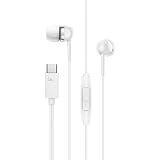
Sennheiser CX 80U Wired in-Ear Earphones with in-Line Microphone, One Button Smart Control, Lightweight Design, USB Type-C, 3 Ear Tip Sizes, 1Y Warranty, Voice Control, White
₹1,790.00 (as of October 27, 2026 14:50 GMT +05:30 - More infoProduct prices and availability are accurate as of the date/time indicated and are subject to change. Any price and availability information displayed on [relevant Amazon Site(s), as applicable] at the time of purchase will apply to the purchase of this product.)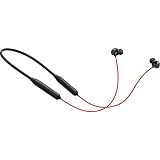
OnePlus Bullets Wireless Z3, 4 EQ preset, Dynamic bass Enhancement & BT5.4, Wireless Bluetooth Neckband Compatible with 10 mins Charge for 27 hrs Playback
₹499.00 (as of October 27, 2026 14:50 GMT +05:30 - More infoProduct prices and availability are accurate as of the date/time indicated and are subject to change. Any price and availability information displayed on [relevant Amazon Site(s), as applicable] at the time of purchase will apply to the purchase of this product.)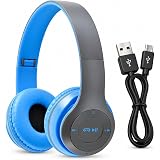
CROWNVIZ Wireless Bluetooth Headphones with Mic | Over-Ear Stereo Headset | 40mm Drivers | Rechargeable 1200mAh Battery | 6 Hours Playtime | Foldable Headphones for Music, Calls & Entertainment, Blue
₹299.00 (as of October 27, 2026 14:50 GMT +05:30 - More infoProduct prices and availability are accurate as of the date/time indicated and are subject to change. Any price and availability information displayed on [relevant Amazon Site(s), as applicable] at the time of purchase will apply to the purchase of this product.)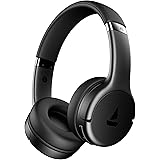
boAt Rockerz 411, 40Ms Low Latency, 40Hrs Battery, 40Mm Drivers, ENx Tech, App Support, Bluetooth Headphones, Wireless Over Ear Headphone with Mic (Active Black)
₹1,099.00 (as of October 27, 2026 14:50 GMT +05:30 - More infoProduct prices and availability are accurate as of the date/time indicated and are subject to change. Any price and availability information displayed on [relevant Amazon Site(s), as applicable] at the time of purchase will apply to the purchase of this product.)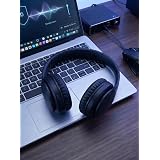
Wireless Over-Ear Headphones with Bluetooth 5.3, Deep Bass | 40 Hour Battery Life, IPX5 Water Resistant
₹330.00 (as of October 27, 2026 14:50 GMT +05:30 - More infoProduct prices and availability are accurate as of the date/time indicated and are subject to change. Any price and availability information displayed on [relevant Amazon Site(s), as applicable] at the time of purchase will apply to the purchase of this product.)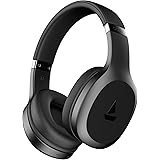
boAt Rockerz 412, 60H Battery, 40Mm Drivers, 40Ms Low Latency, ENx Tech, Stream Ad Free Music via App Support, Bluetooth Headphones, Wireless Over Ear Headphone with Mic (Active Black)
₹1,099.00 (as of October 27, 2026 14:50 GMT +05:30 - More infoProduct prices and availability are accurate as of the date/time indicated and are subject to change. Any price and availability information displayed on [relevant Amazon Site(s), as applicable] at the time of purchase will apply to the purchase of this product.)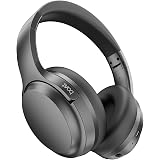
boAt New Launch Rockerz Plus 435 Bluetooth Headphones (Iris Black) | Massive 100 Hours Playback, Dual Mics with AI-ENx™ Technology, BEAST™ Mode, Metallic Finish, and Multipoint Connectivity
₹1,599.00 (as of October 27, 2026 14:50 GMT +05:30 - More infoProduct prices and availability are accurate as of the date/time indicated and are subject to change. Any price and availability information displayed on [relevant Amazon Site(s), as applicable] at the time of purchase will apply to the purchase of this product.)
BLAUPUNKT BH61 ZENX Moksha Hybrid ANC Over Ear Bluetooth Headphones, 100H Playtime, BT 6.0, Adjustable & Foldable, IPX5 Sweat Resistant, Wireless Headset for Travel & Work (Black)
₹2,990.00 (as of October 27, 2026 14:50 GMT +05:30 - More infoProduct prices and availability are accurate as of the date/time indicated and are subject to change. Any price and availability information displayed on [relevant Amazon Site(s), as applicable] at the time of purchase will apply to the purchase of this product.)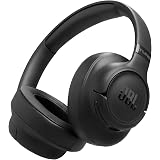
JBL New Launch Tune 780NC Wireless Over Ear Headphones with Adaptive Noise Cancellation, Upto 76 Hrs Battery, Smart Ambient, Spatial Sound, Customized EQ, Google Fast Pair, Dual Pairing, BT 6.0 -Black
₹6,999.00 (as of October 27, 2026 14:50 GMT +05:30 - More infoProduct prices and availability are accurate as of the date/time indicated and are subject to change. Any price and availability information displayed on [relevant Amazon Site(s), as applicable] at the time of purchase will apply to the purchase of this product.)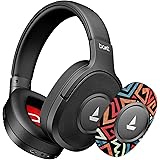
boAt Rockerz Plus 550, Customizable Earcups, 100H Battery, 50mm Drivers, Dual Pair, App Support, Bluetooth Headphones, Wireless Headphone with Mic (Black Psyche)
₹1,899.00 (as of October 27, 2026 14:50 GMT +05:30 - More infoProduct prices and availability are accurate as of the date/time indicated and are subject to change. Any price and availability information displayed on [relevant Amazon Site(s), as applicable] at the time of purchase will apply to the purchase of this product.)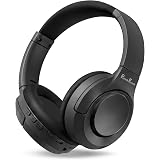
PunnkFunnk BeatXtra Pro Wireless Bluetooth Headphones V5.3, Over-Ear Stereo Headset with 40mm Drivers, Noise Cancelling, Soft Cushioned Ear Cups, 10m Wireless Range, Teen & Adults (Black)
₹699.00 (as of October 27, 2026 14:50 GMT +05:30 - More infoProduct prices and availability are accurate as of the date/time indicated and are subject to change. Any price and availability information displayed on [relevant Amazon Site(s), as applicable] at the time of purchase will apply to the purchase of this product.)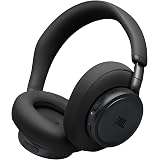
JBL Live 780NC, BITA Award Winner- Product of the Year, Advanced Noise Cancellation 2.0 Wireless Headphones, BT 6.0, Auracast, Hi-Res, LDAC, Spatial Sound, 6-mic, AI-Trained Algo,2 yrs Warranty,Black
₹14,999.00 (as of October 27, 2026 14:50 GMT +05:30 - More infoProduct prices and availability are accurate as of the date/time indicated and are subject to change. Any price and availability information displayed on [relevant Amazon Site(s), as applicable] at the time of purchase will apply to the purchase of this product.)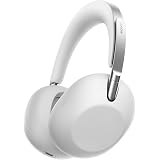
Sony 1000X THE COLLEXION Wireless Noise Cancelling Headphones|Luxury Comfort with Curated Materials|HD NC Processor QN3|12 Microphones|Spatial Audio|Mastered by Engineers|24-Hour Battery-Platinum
₹54,989.00 (as of October 27, 2026 14:50 GMT +05:30 - More infoProduct prices and availability are accurate as of the date/time indicated and are subject to change. Any price and availability information displayed on [relevant Amazon Site(s), as applicable] at the time of purchase will apply to the purchase of this product.)
PunnkFunnk BeatXtra Lite Premium Wireless Bluetooth Headphones V5.3, Over Ear Stereo Headset with Built-in Microphone, 40mm Drivers, AUX Mode, Comfortable Cushions, Up to 250 Hours Standby (Beige)
₹699.00 (as of October 27, 2026 14:50 GMT +05:30 - More infoProduct prices and availability are accurate as of the date/time indicated and are subject to change. Any price and availability information displayed on [relevant Amazon Site(s), as applicable] at the time of purchase will apply to the purchase of this product.)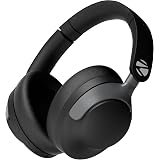
ZEBRONICS SILENCIO 111, Wireless Headphone, Hybrid ANC (50dB), 55*Hrs Backup, Transparency Mode, 40mm Titanium Drivers, 3 EQ Modes, ENC, Gaming Mode, Dual Pairing, Rapid Charge, Bluetooth v5.4 (Black)
₹1,499.00 (as of October 27, 2026 14:50 GMT +05:30 - More infoProduct prices and availability are accurate as of the date/time indicated and are subject to change. Any price and availability information displayed on [relevant Amazon Site(s), as applicable] at the time of purchase will apply to the purchase of this product.)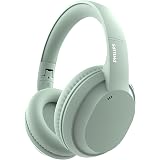
PHILIPS TAH4050 Wireless Bluetooth Headphones with Mic, 40mm Dynamic Drivers, Bluetooth 6.0, Up to 30H Playtime, Dual Device Pairing, USB-C Fast Charging, AUX Support, Over-Ear Headset, Green
₹1,299.00 (as of October 27, 2026 14:50 GMT +05:30 - More infoProduct prices and availability are accurate as of the date/time indicated and are subject to change. Any price and availability information displayed on [relevant Amazon Site(s), as applicable] at the time of purchase will apply to the purchase of this product.)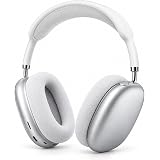
P9 Wireless Bluetooth 5.0 Over-Ear Headphones
₹499.00 (as of October 27, 2026 14:50 GMT +05:30 - More infoProduct prices and availability are accurate as of the date/time indicated and are subject to change. Any price and availability information displayed on [relevant Amazon Site(s), as applicable] at the time of purchase will apply to the purchase of this product.)