
The Ultimate Guide to USB Cable Durability: Navigating the Wires of Longevity
In an era dominated by portable electronics, the humble USB cable has become an indispensable lifeline. From charging smartphones and powering laptops to transferring vast amounts of data, these unassuming cords are the silent workhorses of our digital lives. Yet, their ubiquity often masks a critical, yet frequently overlooked, aspect: durability. A frayed cable, a bent connector, or a slow charging speed can quickly escalate from minor annoyance to a major disruption. This comprehensive guide delves deep into the anatomy of a durable USB cable, empowering you to make informed choices and maximize the lifespan of your essential digital connections.
Understanding the Stressors: What Breaks USB Cables?
Before we explore the solutions, it’s crucial to understand the enemies of USB cable longevity. Cables are subjected to a relentless barrage of physical and environmental assaults:
- Physical Strain: The most common culprit. Constant bending, pulling, twisting, and kinking at stress points (near connectors and the cable body) weaken internal wires and insulation. Dropping devices while connected, yanking cables out of ports forcefully, or cramming them into tight spaces all contribute to this damage.
- Connector Wear: The USB connectors themselves are susceptible to wear and tear. Repeated insertion and removal can loosen the internal pins, leading to intermittent connections or complete failure. Bent pins are another common issue, often caused by improper handling or accidental force.
- Environmental Factors: Extreme temperatures (hot or cold), humidity, and exposure to liquids can degrade the cable’s materials, leading to brittleness, corrosion, and eventual failure. Sunlight exposure can also degrade certain types of insulation.
- Internal Wire Quality: The thin copper wires inside a cable are the conduits for power and data. Poor quality, thin gauge wires are more prone to breakage under stress or can overheat, leading to performance issues and potential damage.
- Insulation Degradation: The outer jacket and internal insulation protect the delicate wires. Over time, especially with exposure to heat or harsh chemicals, this insulation can crack, fray, or become brittle, exposing the wires and creating a safety hazard.
- Manufacturing Defects: While less common in reputable brands, poor manufacturing processes can lead to weak solder joints, improperly crimped connectors, or substandard materials, all of which compromise durability from the outset.
The Anatomy of a Durable USB Cable: Key Components to Scrutinize
A truly durable USB cable is a testament to thoughtful engineering and quality materials. Here’s a breakdown of the key elements to consider:
-
Connector Material and Design:
- Housing: Look for connectors with robust housings made from sturdy materials like aluminum alloy, stainless steel, or reinforced ABS plastic. These are less prone to cracking or deforming than cheap plastic.
- Strain Relief: This is arguably the most critical feature for durability. A well-designed strain relief is a flexible, often ribbed, rubber or silicone extension where the cable meets the connector. It absorbs the bending stress, preventing it from reaching the delicate internal wires. A longer, more flexible strain relief generally indicates better protection.
- Internal Pin Structure: High-quality connectors have securely soldered or reinforced internal pins that are less likely to bend or break. Some premium cables even feature gold-plated connectors, which offer superior conductivity and corrosion resistance, contributing to long-term reliability.
-
Cable Insulation and Jacket:
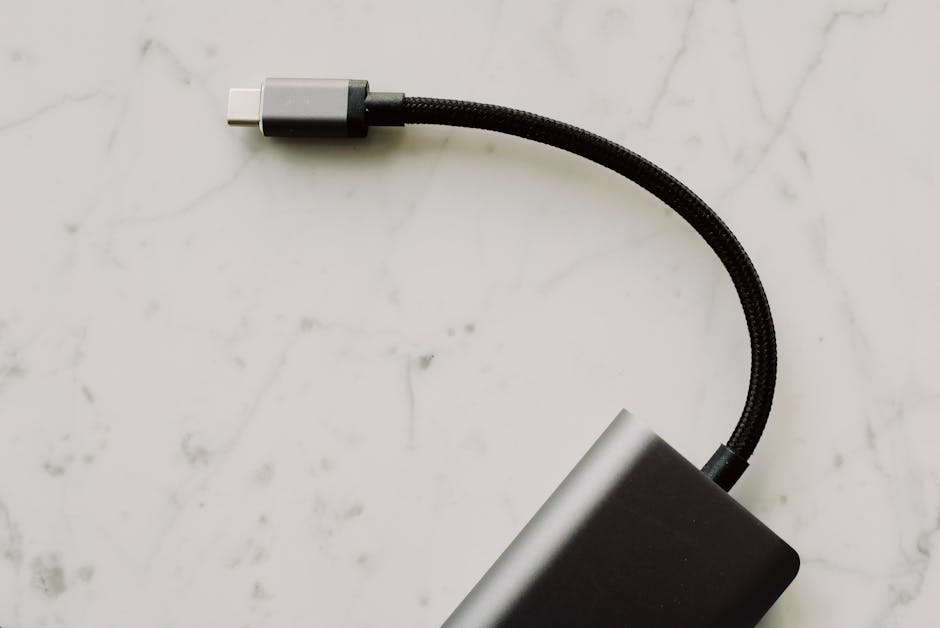
- Material: The outer jacket is your first line of defense. Look for cables made from durable materials like braided nylon, Kevlar, or TPE (thermoplastic elastomer).
- Braided Nylon: Offers excellent abrasion resistance, preventing fraying and tangling. It also provides a degree of flexibility without compromising strength.
- Kevlar: Known for its incredible tensile strength and resistance to tearing, Kevlar-reinforced cables are exceptionally robust, often found in heavy-duty applications.
- TPE: A more environmentally friendly alternative to PVC, TPE is flexible, durable, and resistant to extreme temperatures. It’s a good balance of performance and sustainability.
- Thickness and Flexibility: A slightly thicker jacket generally offers better protection. However, it shouldn’t be so rigid that it becomes difficult to handle. The ideal cable strikes a balance between robust protection and user-friendly flexibility.
- Material: The outer jacket is your first line of defense. Look for cables made from durable materials like braided nylon, Kevlar, or TPE (thermoplastic elastomer).
-
Internal Wire Gauge and Shielding:
- Wire Gauge (AWG): This refers to the thickness of the copper wires. A lower AWG number indicates a thicker wire, which is crucial for efficient power delivery and reduced heat generation. For charging, especially for power-hungry devices, look for cables with thicker gauge wires (e.g., 20-24 AWG for power lines). Thinner wires (higher AWG) are more prone to overheating and can lead to slower charging speeds.
- Shielding: Internal shielding, often in the form of aluminum foil or braided copper mesh, protects the data wires from electromagnetic interference (EMI). This is essential for stable data transfer and preventing data corruption, and it also contributes to the overall structural integrity of the cable.
-
Cable Construction and Reinforcement:
- Reinforced Braid: Beyond just the outer jacket, some cables incorporate internal reinforcement layers, such as Kevlar strands woven into the core, to further enhance their resistance to stretching and tearing.
- Internal Wire Bundling: High-quality cables often bundle individual wires internally with a durable material, preventing them from shifting and rubbing against each other, which can cause wear over time.
Choosing Wisely: Factors Beyond the Specs
While material and construction are paramount, other factors influence your USB cable’s longevity:
- Brand Reputation and Reviews: Invest in cables from reputable brands known for their commitment to quality. Read customer reviews to gauge real-world durability and identify common failure points.
- Certifications: Look for certifications like USB-IF compliance. This ensures the cable meets industry standards for performance and safety, often implying a higher level of manufacturing quality.
- Intended Use: Consider how you’ll primarily use the cable.
- Mobile Use: For frequent travel and on-the-go charging, prioritize flexibility, compact connectors, and robust strain relief. Braided nylon cables are excellent here.
- Stationary Use: If the cable will remain plugged into a fixed location, absolute flexibility might be less critical, but robust connectors and a durable jacket are still important to prevent accidental damage.
- High-Power Devices: For charging laptops or other power-hungry devices, prioritize thicker gauge wires (lower AWG) for efficient and safe power delivery.
Best Practices for Maximizing USB Cable Lifespan
Even the most durable cable can be rendered useless by improper handling. Adopting these habits will significantly extend the life of your USB cables:
- Gentle Handling: Always unplug cables by gripping the connector, not the cable itself. Avoid yanking or pulling forcefully.
- Proper Storage: When not in use, coil cables loosely. Avoid sharp bends or kinks. Using a cable organizer, velcro strap, or a dedicated pouch can prevent tangling and damage.
- Avoid Stress Points: Don’t let cables hang unsupported, especially from laptops or other devices, as this puts undue stress on the connectors and ports.
- Environmental Awareness: Keep cables away from extreme heat, direct sunlight, and moisture. If a cable gets wet, dry it thoroughly before use.
- Regular Inspection: Periodically inspect your cables for any signs of fraying, cracking, or damage to the connectors. Replace any damaged cables immediately to prevent further issues or safety hazards.
- Use the Right Cable for the Job: Not all USB cables are created equal. Using a low-quality, thin cable to charge a high-power device can lead to overheating and premature failure. Ensure your cable is rated for the power and data transfer speeds your devices require.
- Clean Connectors: Dust and debris can accumulate in USB ports and on connector pins, leading to poor connections. Gently clean ports with compressed air and connector pins with a dry, lint-free cloth.
Emerging Technologies and Future Durability
The pursuit of USB cable durability is an ongoing process. Manufacturers are constantly innovating:
- Reinforced Connectors: New designs are emerging with more robust internal structures and improved strain relief mechanisms.
- Advanced Materials: Research into even stronger and more flexible insulation materials continues, promising cables that are both virtually indestructible and incredibly pliable.
- Smart Cables: Some advanced cables are beginning to incorporate circuitry that monitors cable health and can even provide alerts if damage is detected, allowing for proactive replacement.
By understanding the factors that contribute to USB cable durability and adopting mindful usage habits, you can significantly extend the lifespan of these essential accessories, saving yourself money, frustration, and the environmental impact of frequent replacements. Invest in quality, handle with care, and enjoy the reliable power and data flow of your durable USB connections.
