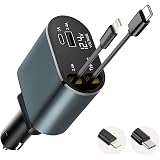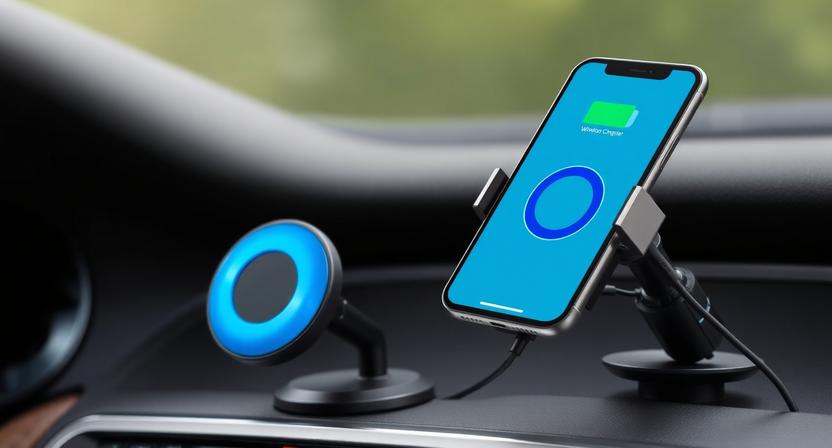
The hum of the engine, the open road, and the ever-present need to stay connected – these are the hallmarks of the modern driving experience. In this landscape, the humble charging cable has long been a necessary evil, a tangle of wires cluttering our dashboards and creating a constant source of minor frustration. Enter the wireless car charger, a revolutionary accessory that seamlessly blends unparalleled convenience with sophisticated cutting-edge technology, transforming how we power our devices on the go.
Gone are the days of fumbling with USB ports and untangling knots while navigating busy streets. Wireless charging, once a niche feature, has rapidly evolved into a mainstream solution, and its integration into automotive accessories is a testament to its growing importance. These devices leverage the power of inductive charging, a marvel of electromagnetic induction that allows energy to be transferred wirelessly between two objects. At its core, a wireless car charger consists of a charging pad or mount equipped with a transmitting coil. When a compatible smartphone, featuring a receiving coil, is placed on or near this pad, an alternating current flows through the transmitting coil, generating a fluctuating magnetic field. This magnetic field then induces an alternating current in the receiving coil of the phone, which is subsequently converted into direct current to charge the device’s battery.
The beauty of this technology lies in its simplicity and elegance. It eliminates the physical connection, offering a truly plug-and-play experience. Simply place your phone on the charger, and the charging process begins automatically. This not only declutters your car’s interior but also significantly enhances safety by reducing driver distraction. No more looking down to plug in a cable; a quick glance and a gentle placement are all that’s required.
Beyond the sheer convenience, the technological advancements in wireless car chargers are truly impressive. Modern chargers are no longer just basic pads. They have evolved into intelligent devices offering a suite of features designed to optimize the charging experience and protect your valuable electronics. Fast wireless charging is no longer a luxury but a standard expectation. Leveraging technologies like Qi (pronounced “chee”), the dominant wireless charging standard, these chargers can deliver power at speeds comparable to or even exceeding wired fast chargers. Look for chargers supporting higher wattage outputs, such as 15W or even 20W, for the quickest possible top-ups. This is particularly beneficial for drivers who frequently need to recharge their phones during short commutes or while running errands.
Intelligent heat management is another critical advancement. Wireless charging, by its nature, can generate heat. Reputable manufacturers have incorporated sophisticated thermal regulation systems into their chargers. These systems monitor the temperature of both the charger and the device, automatically adjusting the charging speed or even temporarily pausing charging if temperatures rise to unsafe levels. This safeguards your phone’s battery from long-term damage caused by excessive heat, ensuring its longevity and optimal performance.
Foreign Object Detection (FOD) is a vital safety feature. This technology prevents the charger from delivering power if it detects any metallic objects (other than the phone’s receiving coil) placed on the charging surface. This could include keys, coins, or other small metallic items that could overheat and pose a fire hazard. FOD ensures that only your compatible device receives power, adding an extra layer of security.
The form factor of wireless car chargers has also diversified to cater to various user preferences and vehicle interiors. Dashboard mounts offer a prominent and easily accessible charging spot, often with adjustable arms to position the phone at the optimal viewing angle for navigation or hands-free calls. Vent mounts are a popular choice for their unobtrusive design, attaching securely to air vents and keeping the phone within easy reach without obstructing the driver’s view. Cup holder chargers provide a discreet and stable charging solution, integrating seamlessly into existing vehicle interiors. Some advanced models even combine multiple functionalities, such as a wireless charger with an integrated dash cam or a Bluetooth speaker.
Compatibility is a key consideration when choosing a wireless car charger. The vast majority of modern smartphones, particularly those from Apple (iPhone 8 and later) and Samsung, support the Qi wireless charging standard. However, it’s always prudent to check your phone’s specifications to confirm its wireless charging capabilities. For older devices or those without built-in wireless charging, wireless charging adapters or cases with integrated wireless charging coils are available, extending the convenience to a wider range of smartphones.
The integration of wireless charging into vehicles is also becoming increasingly common directly from manufacturers. Many new car models now come equipped with dedicated wireless charging pads built into the center console or dashboard. However, for those with older vehicles or who desire more flexibility, aftermarket wireless car chargers offer a cost-effective and highly functional upgrade.
Beyond just charging, these devices are becoming smarter. Integration with voice assistants is emerging, allowing users to initiate or check charging status using voice commands. Some advanced chargers can even communicate with the vehicle’s infotainment system, displaying charging status directly on the car’s screen. The future promises even more seamless integration, with chargers learning user habits and optimizing charging schedules for maximum battery health and convenience.
The installation of most wireless car chargers is remarkably straightforward. They typically connect to the car’s power source via a USB adapter that plugs into the car’s 12V socket or a USB port. Some higher-end models might offer hardwiring options for a cleaner, more integrated look. The mounting mechanisms are generally robust and designed to withstand the vibrations and movements of driving.
When selecting a wireless car charger, consider the following factors: charging speed (wattage), mounting type (dashboard, vent, cup holder), build quality and durability, safety features (FOD, heat management), and overall aesthetics to complement your vehicle’s interior. Reading reviews from other users can provide valuable insights into real-world performance and reliability.
In conclusion, wireless car chargers represent a significant leap forward in automotive technology, transforming a mundane necessity into a seamless and sophisticated experience. They embody the perfect marriage of convenience and cutting-edge innovation, offering drivers a clutter-free, safer, and more efficient way to keep their devices powered up on every journey. As the technology continues to evolve, we can anticipate even more intelligent and integrated charging solutions that will further enhance the driving experience.
SP USB Fast Charger for CAR and Bike USE for Mobile Charger with Twin USB Socket (12/24V Mini USB)(Pack of 1)
₹99.00 (as of September 19, 2026 15:30 GMT +05:30 - More infoProduct prices and availability are accurate as of the date/time indicated and are subject to change. Any price and availability information displayed on [relevant Amazon Site(s), as applicable] at the time of purchase will apply to the purchase of this product.)
Universal USB Mobile Charger for Bike and Scooty | On/Off Switch, Handlebar Mount
₹189.00 (as of September 19, 2026 15:30 GMT +05:30 - More infoProduct prices and availability are accurate as of the date/time indicated and are subject to change. Any price and availability information displayed on [relevant Amazon Site(s), as applicable] at the time of purchase will apply to the purchase of this product.)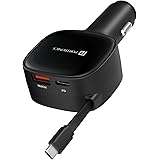
Portronics Car Power Retracto 84W 3 in 1 Car Charger, 80 cm Retractable Cable (33W Type-C PD), Dual Port (18W USB Type-A & 33W Type-C) for Laptop, Android, iPhone, Earbuds and More (Black)
₹779.00 (as of September 19, 2026 15:30 GMT +05:30 - More infoProduct prices and availability are accurate as of the date/time indicated and are subject to change. Any price and availability information displayed on [relevant Amazon Site(s), as applicable] at the time of purchase will apply to the purchase of this product.)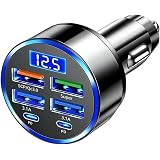
6 in 1 Fast Car Charger Adapter with 3 USB Ports, 2 Type-C PD Ports & Cigarette Lighter Socket | Multi-Port USB Car Charger | Universal 12V/24V Car Power Adapter for Mobile, Tablet, GPS & Dash Camera
₹295.00 (as of September 19, 2026 15:30 GMT +05:30 - More infoProduct prices and availability are accurate as of the date/time indicated and are subject to change. Any price and availability information displayed on [relevant Amazon Site(s), as applicable] at the time of purchase will apply to the purchase of this product.)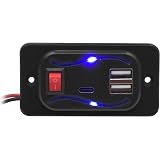
12V/24V Fast Mobile Charger for Vehicle – 2 x USB-A & Type-C (20W) Bike Mobile Charger | Blue LED Power Outlet with Protective Dust Cover | Universal for Car, Bike, Truck & Automotive Use - Black
Now retrieving the price.
(as of September 19, 2026 15:30 GMT +05:30 - More infoProduct prices and availability are accurate as of the date/time indicated and are subject to change. Any price and availability information displayed on [relevant Amazon Site(s), as applicable] at the time of purchase will apply to the purchase of this product.)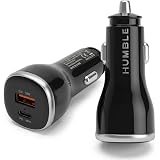
HUMBLE® 80W Dual Output Fast Car Charger with Type-C PD 45W + USB QC 35W Charging Adapter, Compatible with Cars for iPhone & Android Smartphone, Smartwatch, Earbud, Power Bank (Black)
₹419.00 (as of September 19, 2026 15:30 GMT +05:30 - More infoProduct prices and availability are accurate as of the date/time indicated and are subject to change. Any price and availability information displayed on [relevant Amazon Site(s), as applicable] at the time of purchase will apply to the purchase of this product.)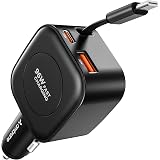
Ambrane 96W Car Charger with InBuilt Retractable Cable, 3-in-1 Car Charger, 33W Type C PD, 30W USB For iPhone, Macbook Air, Android, Earbuds, Other Devices, PD & PPS Fast Charging (Charge CR96, Black)
₹1,099.00 (as of September 19, 2026 15:30 GMT +05:30 - More infoProduct prices and availability are accurate as of the date/time indicated and are subject to change. Any price and availability information displayed on [relevant Amazon Site(s), as applicable] at the time of purchase will apply to the purchase of this product.)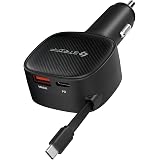
STRIFF 3 in 1 PowerEdge STFP3131 84W Fast Car Charger with 80cm Retractable Type-C Cable, Dual USB Ports, PD Fast Charging, 3 Device Simultaneous Charging for iPhone, Android, Tablets, Laptop (Black)
₹599.00 (as of September 19, 2026 15:30 GMT +05:30 - More infoProduct prices and availability are accurate as of the date/time indicated and are subject to change. Any price and availability information displayed on [relevant Amazon Site(s), as applicable] at the time of purchase will apply to the purchase of this product.)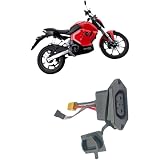
Socket Compatible with Revolt RV400 Electric Bike 6 Pin Charging Port Socket Replacement Connector for Electric Motorcycle
₹1,290.00 (as of September 19, 2026 15:30 GMT +05:30 - More infoProduct prices and availability are accurate as of the date/time indicated and are subject to change. Any price and availability information displayed on [relevant Amazon Site(s), as applicable] at the time of purchase will apply to the purchase of this product.)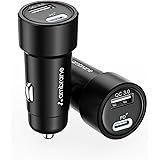
Ambrane 51W Fast Charging Car Charger, Dual Output 33W Type C PD + 18W USB Car Adapter, Quick Charge Car Plug for iPhone, Android, Tablets & More, High-Speed Compact Car Power Charger (Black, C51)
₹399.00 (as of September 19, 2026 15:30 GMT +05:30 - More infoProduct prices and availability are accurate as of the date/time indicated and are subject to change. Any price and availability information displayed on [relevant Amazon Site(s), as applicable] at the time of purchase will apply to the purchase of this product.)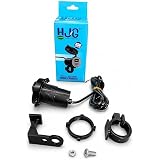
HJG Motorcycle Phone Charger USB 5V 3A with ON/Off Switch | Dual USB Ports, Handlebar Mount, Waterproof Cap, Wired Installation, For Electric Vehicles
Now retrieving the price.
(as of September 19, 2026 15:30 GMT +05:30 - More infoProduct prices and availability are accurate as of the date/time indicated and are subject to change. Any price and availability information displayed on [relevant Amazon Site(s), as applicable] at the time of purchase will apply to the purchase of this product.)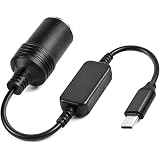
STHIRA® USB C to 12V Car Cigarette Lighter Socket Converter | 5V 2A Input, 12V 10W Output Step Up Cable, Portable Car Power Converter for Dash Cam DVR
₹529.00 (as of September 19, 2026 15:30 GMT +05:30 - More infoProduct prices and availability are accurate as of the date/time indicated and are subject to change. Any price and availability information displayed on [relevant Amazon Site(s), as applicable] at the time of purchase will apply to the purchase of this product.)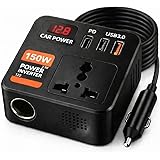
Primate 150W Car Power Inverter 12V DC to 220V AC Converter with 2 AC Universal Sockets, USB-C 30W PD & Dual USB QC 3.0 Fast Charging Ports – 4-in-1 Car Laptop & Mobile Charger Plug Adapter
₹879.00 (as of September 19, 2026 15:30 GMT +05:30 - More infoProduct prices and availability are accurate as of the date/time indicated and are subject to change. Any price and availability information displayed on [relevant Amazon Site(s), as applicable] at the time of purchase will apply to the purchase of this product.)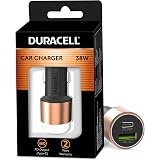
Duracell 38W Fast Car Charger Adapter with Dual Output. Quick Charge, Type C PD 20W & Qualcomm Certified 3.0 Compatible for iPhone, All Smartphones, Tablets & More (Copper & Black)
₹855.00 (as of September 19, 2026 15:30 GMT +05:30 - More infoProduct prices and availability are accurate as of the date/time indicated and are subject to change. Any price and availability information displayed on [relevant Amazon Site(s), as applicable] at the time of purchase will apply to the purchase of this product.)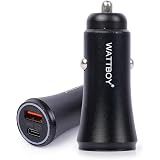
WATTBOY Dual Port USB & Type-C Fast Car Charger 65W | Qualcomm Quick Charge Compatible | Multi-Colour Compact Car Mobile Charger | Elegant Design for Smartphones, Tablets & USB Devices
₹189.00 (as of September 19, 2026 15:30 GMT +05:30 - More infoProduct prices and availability are accurate as of the date/time indicated and are subject to change. Any price and availability information displayed on [relevant Amazon Site(s), as applicable] at the time of purchase will apply to the purchase of this product.)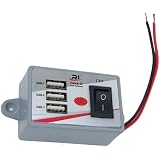
SP 12v-24v Auto Motorcycle 3 USB Socket Charger Power Adapter Mobile Phone Charger for Bike, Car, Truck, Minibus 12v DC MobileCharger (Pack of 1)
₹99.00 (as of September 19, 2026 15:30 GMT +05:30 - More infoProduct prices and availability are accurate as of the date/time indicated and are subject to change. Any price and availability information displayed on [relevant Amazon Site(s), as applicable] at the time of purchase will apply to the purchase of this product.)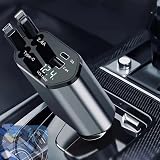
120W Fast Car Charger (2026 New Version) with 120CM Retractable Type-C & 30-pin Port Cables – Simultaneous Charging for 4 Devices – Universal Car Mobile Charger for All Smartphones & Tablets (D4)
₹699.00 (as of September 19, 2026 15:30 GMT +05:30 - More infoProduct prices and availability are accurate as of the date/time indicated and are subject to change. Any price and availability information displayed on [relevant Amazon Site(s), as applicable] at the time of purchase will apply to the purchase of this product.)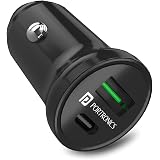
Portronics 38W Dual Output Fast Car Charger with 20W Type-C PD & 18W USB, Compact Size, Charging Adapter Compatible with Cars for iPhone & Android Smartphone, Smartwatch, Earbud, Power Bank (Black)
₹349.00 (as of September 19, 2026 15:30 GMT +05:30 - More infoProduct prices and availability are accurate as of the date/time indicated and are subject to change. Any price and availability information displayed on [relevant Amazon Site(s), as applicable] at the time of purchase will apply to the purchase of this product.)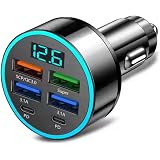
120W Fast Car Charger Adapter with Digital Voltage Display – 6 Port Multi USB & Type-C PD Charger, Quick Charge QC 3.0, Universal Car Mobile Charging Adapter for Smartphone, Tablet, GPS & More
₹299.00 (as of September 19, 2026 15:30 GMT +05:30 - More infoProduct prices and availability are accurate as of the date/time indicated and are subject to change. Any price and availability information displayed on [relevant Amazon Site(s), as applicable] at the time of purchase will apply to the purchase of this product.)