
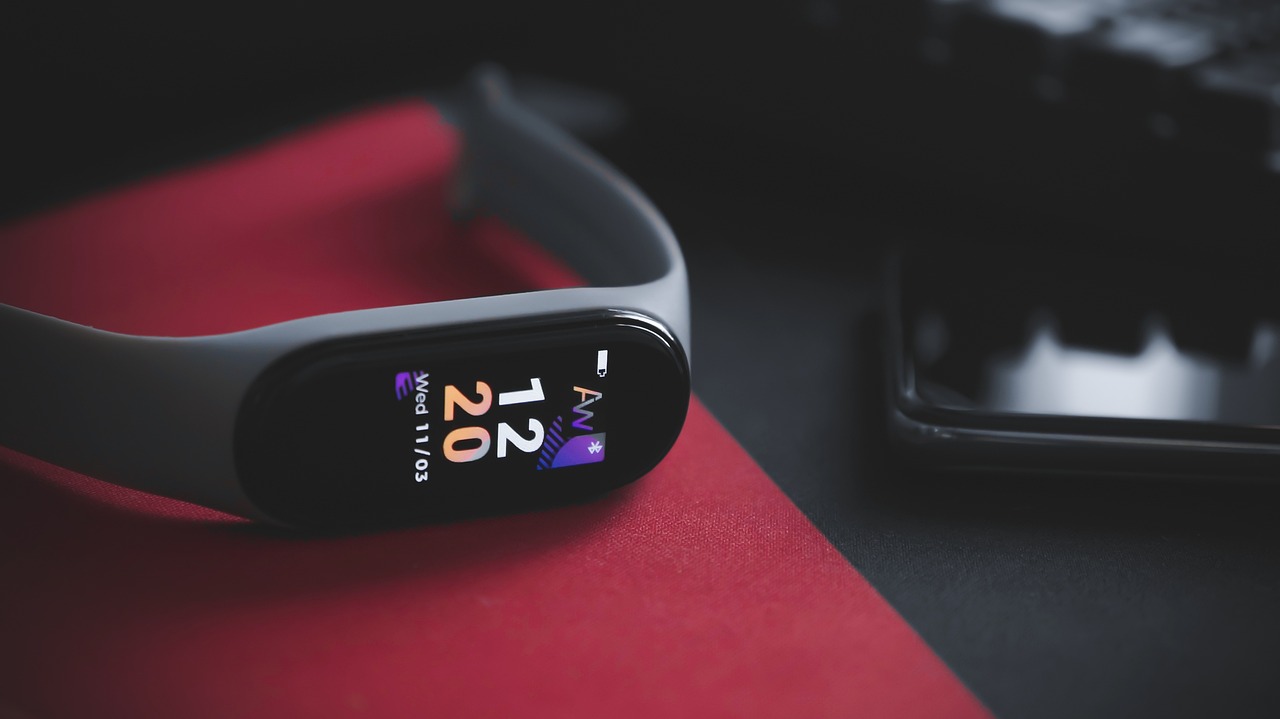
The Ultimate Guide to Fitness Bands with SpO2 Monitoring: Unlocking Deeper Health Insights
Fitness bands have evolved far beyond simple step counters. Today, they are sophisticated wearable companions offering a holistic view of your well-being. Among the most significant advancements in recent years is the integration of SpO2 monitoring, also known as blood oxygen saturation. This feature, once exclusive to medical devices, is now readily available on many fitness trackers, providing users with invaluable data about their respiratory and cardiovascular health. This comprehensive guide will delve deep into everything you need to know about fitness bands with SpO2 monitoring, empowering you to make an informed choice and leverage this technology for a healthier life.
Understanding SpO2: The Silent Indicator of Your Health
SpO2, or peripheral oxygen saturation, measures the percentage of hemoglobin in your blood that is carrying oxygen. Hemoglobin is the protein in red blood cells responsible for transporting oxygen from your lungs to the rest of your body. A healthy SpO2 level typically ranges from 95% to 100%. Levels below 90% can indicate hypoxemia, a condition that requires medical attention.
While a fitness band cannot replace a medical-grade pulse oximeter, its SpO2 sensor provides a convenient and continuous way to track your blood oxygen levels throughout the day and night. This data can offer crucial insights into:
- Respiratory Function: Low SpO2 can be an early indicator of underlying respiratory issues such as sleep apnea, asthma, or even the effects of high altitude.
- Cardiovascular Health: Efficient oxygen delivery is vital for overall cardiovascular health. Monitoring SpO2 can help identify potential strain on your heart.
- Fitness Performance: During strenuous exercise, your body’s oxygen demand increases. Tracking SpO2 can help you understand how well your body is coping with intense workouts and optimize your training.
- Sleep Quality: Significant dips in SpO2 during sleep can be a strong sign of sleep disturbances like sleep apnea, which can lead to fatigue and other health problems.
- Altitude Acclimation: For travelers or outdoor enthusiasts, SpO2 monitoring can be a valuable tool for understanding how their body is adapting to lower oxygen levels at higher altitudes.
How Do Fitness Bands Measure SpO2? The Magic of Photoplethysmography
Most fitness bands with SpO2 monitoring utilize a technology called photoplethysmography (PPG). This non-invasive method uses light-emitting diodes (LEDs) and a light sensor on the underside of the band.
Here’s a simplified breakdown of the process:
- Red and Infrared Light: The LEDs emit both red and infrared light into your skin.
- Light Absorption: As blood flows through your capillaries, it absorbs some of this light. The amount of light absorbed depends on the oxygen saturation of your hemoglobin. Oxygenated hemoglobin absorbs infrared light more readily, while deoxygenated hemoglobin absorbs red light more effectively.
- Light Detection: The light sensor on the band measures the amount of light that passes through or is reflected back from your skin.
- Calculation: By comparing the absorption of red and infrared light, the band’s algorithm can calculate the percentage of oxygenated hemoglobin in your blood, thus determining your SpO2 level.
Key Features to Look for in a Fitness Band with SpO2 Monitoring
When choosing a fitness band with SpO2 capabilities, consider these essential features:
- Accuracy and Reliability: While all PPG sensors have limitations, look for brands known for their research and development in this area. User reviews and independent testing can provide valuable insights into a device’s accuracy.
- Continuous vs. On-Demand Monitoring: Some bands offer continuous SpO2 monitoring, providing a comprehensive overview of your blood oxygen levels throughout the day and night. Others require you to initiate a reading manually. Continuous monitoring offers more detailed data, especially for sleep tracking.
- Sleep Tracking Integration: The most impactful use of SpO2 monitoring is often within sleep tracking. Look for bands that not only record your SpO2 levels during sleep but also correlate this data with sleep stages, duration, and disturbances.
- Data Visualization and Interpretation: A good fitness band will present your SpO2 data in an easy-to-understand format within its accompanying app. Look for trends, graphs, and clear explanations of what your readings mean.
- Additional Health Metrics: Beyond SpO2, consider bands that offer a comprehensive suite of health tracking features, including heart rate monitoring, step counting, calorie tracking, stress monitoring, and various sports modes.
- Battery Life: Continuous SpO2 monitoring can impact battery life. Check the manufacturer’s specifications for expected battery performance with SpO2 tracking enabled.
- Comfort and Design: You’ll be wearing this device 24/7, so comfort and aesthetics are important. Consider the band material, weight, and overall design.
- Water Resistance: If you plan to track swims or wear your band in the shower, ensure it has adequate water resistance.
- Smartwatch Features: Depending on your needs, you might also want features like smartphone notifications, music control, contactless payments, and built-in GPS.
Top Fitness Bands with SpO2 Monitoring: A Curated Selection
The market is flooded with fitness bands, but several stand out for their robust SpO2 features. While specific models and their availability can change, here are some consistently well-regarded brands and their typical offerings:
- Fitbit: Fitbit has been a pioneer in bringing SpO2 monitoring to the consumer market. Models like the Fitbit Sense, Fitbit Versa 3, and the newer Charge 5 often include advanced SpO2 tracking, especially during sleep, integrated with their comprehensive health dashboards.
- Garmin: Garmin offers a wide range of devices, from fitness-focused bands to full-fledged smartwatches. Many of their Vivosmart, Venu, and Forerunner series devices incorporate SpO2 monitoring, often with a focus on performance and altitude acclimation.
- Samsung Galaxy Watch Series: Samsung’s smartwatches, such as the Galaxy Watch 4 and 5, provide accurate SpO2 readings and integrate them into their detailed health and sleep tracking features.
- Xiaomi Mi Band Series: Known for their affordability and impressive feature sets, Xiaomi’s Mi Band devices (e.g., Mi Band 6, Mi Band 7) have consistently offered SpO2 monitoring, making this advanced health metric accessible to a wider audience.
- Amazfit: Amazfit offers a diverse range of smartwatches and fitness trackers with SpO2 monitoring, often at competitive price points, providing a good balance of features and value.
Leveraging Your SpO2 Data for Actionable Insights
Simply having SpO2 data is only half the battle. The real value lies in understanding and acting upon it.
- Establish Your Baseline: Understand what your “normal” SpO2 range is when you’re feeling healthy and at rest. This will help you identify deviations.
- Monitor During Sleep: Pay close attention to your overnight SpO2 readings. Frequent or significant dips could indicate a sleep disorder. If you notice this pattern, discuss it with your doctor.
- Track During Exercise: Observe how your SpO2 levels respond during different types of workouts. If you experience significant drops during moderate activity, it might be worth consulting a healthcare professional.
- Observe Trends: Look for consistent patterns or changes over time. A gradual decline in SpO2 might warrant a medical check-up.
- Consider External Factors: Be aware that factors like illness (e.g., respiratory infections), alcohol consumption, and even nail polish can affect SpO2 readings.
- Consult Your Doctor: It’s crucial to remember that fitness band SpO2 data is not a substitute for professional medical diagnosis. If you have any concerns about your SpO2 levels or overall health, always consult with a qualified healthcare provider.
Limitations and Considerations of Fitness Band SpO2 Monitoring
While SpO2 monitoring on fitness bands is a powerful tool, it’s essential to be aware of its limitations:
- Accuracy Variations: The accuracy of PPG sensors can be influenced by factors such as skin tone, skin perfusion, movement artifacts, and the fit of the band.
- Not Medical Grade: These devices are designed for general wellness tracking and are not intended for diagnosing or treating any medical conditions.
- Interference: Certain medical conditions, such as anemia, can affect the accuracy of SpO2 readings.
- Environmental Factors: High altitudes can naturally lower SpO2 levels, which is expected. However, the band’s interpretation might not always account for this nuanced environmental factor without specific settings.
- Battery Drain: Continuous SpO2 monitoring can significantly reduce battery life.
The Future of SpO2 Monitoring in Wearables
The integration of SpO2 monitoring is just the beginning. The future promises even more sophisticated health tracking capabilities in wearable technology. We can expect:
- Improved Accuracy: Continuous advancements in sensor technology and algorithms will lead to even more precise SpO2 readings.
- Integration with Other Biomarkers: Future wearables may combine SpO2 data with other physiological markers like heart rate variability (HRV), skin temperature, and even blood pressure estimates for a more comprehensive health picture.
- Personalized Health Insights: AI and machine learning will play a greater role in analyzing your data, providing personalized health recommendations and early warnings for potential health issues.
- Proactive Health Management: Wearables will