
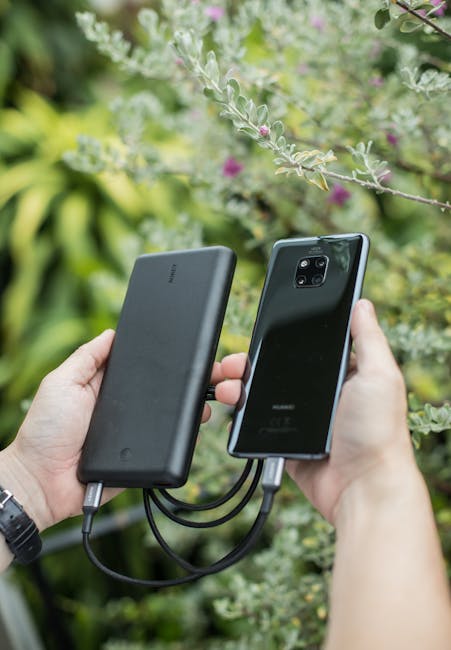
The Smartest Choice: Smartphones That Prioritize Battery Life
In the modern digital landscape, a smartphone is more than just a communication device; it’s a portable office, entertainment hub, navigation tool, and a gateway to information. Yet, the very power that fuels these capabilities is also their Achilles’ heel: battery life. The constant drain of bright screens, demanding apps, and always-on connectivity often leaves users tethered to charging cables, a frustrating reality in our on-the-go lives. This article delves into the crucial aspect of battery life, exploring why it’s a paramount consideration for smartphone users and highlighting the devices that excel in this vital area, making them the truly “smartest choice.”
Understanding the Battery Drain: What’s Eating Your Power?
Before identifying the champions of longevity, it’s essential to understand the primary culprits behind rapid battery depletion. The display is often the biggest power hog. Higher refresh rates, increased brightness, and always-on display features, while visually appealing, significantly consume energy. Processor intensity is another major factor. Powerful chipsets, especially during demanding tasks like gaming, video editing, or intensive multitasking, draw substantial power. Wireless radios – Wi-Fi, cellular data, Bluetooth, and GPS – are constantly searching for signals or actively transmitting, contributing to the drain. Finally, poorly optimized apps, background processes, and excessive notifications can silently siphon away precious battery percentage.
Beyond the mAh Number: What Truly Defines Battery Longevity?
While a larger milliampere-hour (mAh) rating generally indicates a bigger battery, it’s not the sole determinant of longevity. True battery prowess lies in a synergistic combination of factors:
- Hardware Efficiency: This includes the efficiency of the processor (often measured in nanometers, with smaller numbers indicating greater efficiency), the display technology (OLEDs are generally more power-efficient than LCDs, especially with dark themes), and the modem.
- Software Optimization: A well-tuned operating system and intelligently managed background processes can dramatically extend battery life. Manufacturers’ custom UIs and their proprietary power-saving features play a significant role here.
- Battery Management Software: Advanced battery management systems learn user habits and intelligently adjust power consumption. This includes adaptive battery features that prioritize frequently used apps.
- Charging Technology: While not directly extending usage time, fast charging and wireless charging convenience can mitigate the inconvenience of a depleted battery. However, for this discussion, we focus on devices that simply last longer between charges.
The Contenders: Smartphones Championing Extended Battery Life
Several manufacturers have recognized the user demand for extended battery life and have engineered devices that prioritize this critical feature. These phones often strike a balance between performance and power efficiency, or incorporate larger batteries without compromising on other essential aspects.
1. The Endurance Kings: Devices with Massive Batteries
Some manufacturers directly address the battery life issue by equipping their devices with exceptionally large batteries. These phones are often geared towards users who are constantly on the go and may not have immediate access to charging.
- The Rugged All-Rounders: Brands like Ulefone and Doogee frequently release models boasting batteries in the 8,000mAh to 15,000mAh range. While these devices might not always compete with flagship performance or camera quality, their battery life is unparalleled. They are ideal for outdoor enthusiasts, field workers, or anyone who needs a phone that can last for days, if not a week, on a single charge. Features often include military-grade ruggedness, making them suitable for harsh environments.
- The Mainstream Powerhouses: Even mainstream manufacturers are starting to offer devices with significantly larger batteries. While not reaching the extreme capacities of dedicated rugged phones, models with 5,000mAh to 6,000mAh batteries have become increasingly common and offer a substantial improvement over standard flagships. These often come with a slight increase in thickness but provide a welcome respite from daily charging.
2. The Efficiency Experts: Smartphones Balancing Power and Performance
Other manufacturers focus on optimizing hardware and software for maximum power efficiency, allowing them to achieve impressive battery life even with more conventional battery sizes.
- Apple’s iPhone Lineup (Pro Max Models): Apple has consistently improved the battery life of its iPhones, with the “Pro Max” models generally leading the pack. Through a combination of highly efficient A-series chips, optimized iOS, and intelligent power management, iPhones, particularly the larger variants, offer excellent all-day battery life for most users. Their software optimization is a key differentiator.
- Google’s Pixel Series (Standard and Pro): Google’s Pixel phones, especially in recent generations, have seen significant improvements in battery life. Their Tensor chips are designed with AI and machine learning in mind, which can be leveraged for power efficiency. Furthermore, Google’s commitment to clean Android and timely software updates contributes to a well-optimized user experience that respects battery longevity.
- Samsung’s Galaxy A-Series and Select S-Series Models: While Samsung’s flagship S-series phones offer premium features, some of their mid-range Galaxy A-series devices are specifically designed with battery life as a priority, often featuring large batteries and efficient chipsets. Even some S-series models, when opting for less power-hungry configurations or utilizing power-saving modes, can provide commendable endurance.
3. The Software Savvy: Leveraging Power-Saving Features
Beyond the hardware, the software plays a crucial role in extending battery life. Users can significantly enhance their device’s endurance by understanding and utilizing these features:
- Adaptive Battery: Most modern Android phones and iOS devices offer adaptive battery features that learn your usage patterns and limit background activity for apps you don’t use often.
- Power Saving Modes: These modes drastically reduce background activity, limit visual effects, and restrict processor speed to conserve power when the battery is low.
- Dark Mode: For devices with OLED or AMOLED displays, using dark mode can significantly reduce power consumption as black pixels are turned off.
- Display Settings: Lowering screen brightness, reducing screen timeout, and disabling features like always-on display can make a noticeable difference.
- Background App Refresh: Limiting which apps can refresh their content in the background can prevent unnecessary power drain.
- Location Services: Being mindful of which apps have access to your location and disabling it for those that don’t require it can save considerable battery.
Making the Smartest Choice: A User-Centric Approach
Choosing a smartphone that prioritizes battery life is not a one-size-fits-all decision. It depends on your individual usage patterns and priorities:
- Heavy Users (Gamers, Content Creators, Power Users): If you consistently push your phone to its limits, a device with a very large battery (8,000mAh+) or a flagship with excellent software optimization and a substantial battery (5,000mAh+) will be essential.
- Moderate Users (Social Media, Browsing, Communication): For most users, a phone with a battery in the 4,500mAh to 5,500mAh range, coupled with efficient hardware and software, will comfortably last a full day and often into the next.
- Light Users (Basic Communication, Occasional Browsing): Even a phone with a 4,000mAh battery, when used sparingly and with power-saving features enabled, can last for extended periods.
The Future of Battery Life: Innovation on the Horizon
The pursuit of longer-lasting smartphones is an ongoing endeavor. Researchers are exploring various avenues for improvement, including:
- Solid-State Batteries: These offer higher energy density, faster charging, and improved safety compared to current lithium-ion batteries.
- Graphene Batteries: Graphene promises faster charging and increased lifespan.
- Improved Power Management ICs (Integrated Circuits): These chips are becoming more sophisticated in managing power distribution and reducing waste.
- More Energy-Efficient Processors and Displays: Continued advancements in semiconductor technology and display manufacturing will lead to even more power-efficient components.
Ultimately, the “smartest choice” in a smartphone is one that aligns with your lifestyle. While cutting-edge features and dazzling displays are tempting, a phone that dies halfway through the day offers little utility. By understanding the factors that influence battery life and considering devices that prioritize this essential aspect, users can make an informed decision that leads to greater convenience, productivity, and freedom from the tyranny of the charging cable. The smartphones that excel in battery longevity are not just devices; they are enablers of a more connected and less interrupted life.