
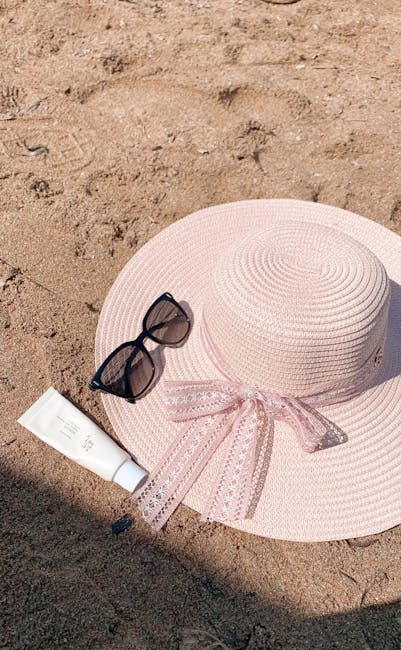
The Ultimate Guide to Choosing the Perfect Sun Hat
The sun hat is more than just an accessory; it’s a vital shield against the sun’s harmful ultraviolet (UV) rays, protecting your skin, eyes, and hair. Selecting the perfect sun hat involves a nuanced understanding of materials, styles, features, and your individual needs. This comprehensive guide will equip you with the knowledge to make an informed decision, ensuring both style and optimal sun protection.
Understanding Sun Protection: The UV Factor
The primary function of a sun hat is to block UV radiation. Look for hats with a UPF (Ultraviolet Protection Factor) rating. UPF is to fabrics what SPF is to sunscreen. A UPF rating of 30 or higher is recommended, with 50+ offering the highest level of protection. This rating indicates how much UV radiation a fabric allows to penetrate. A UPF 50 hat, for instance, blocks 98% of UV rays. Beyond the UPF rating, the weave of the fabric is crucial. Tightly woven fabrics offer better protection than loosely woven ones. Hold the fabric up to the light; if you can see through it easily, it’s likely to offer less protection.
Material Matters: Breathability, Durability, and Style
The material of your sun hat significantly impacts its comfort, durability, and aesthetic.
-
Straw: A perennial favorite for its natural breathability and classic look.
- Panama Straw: Lightweight, flexible, and often hand-woven, offering excellent breathability. Ideal for warmer climates.
- Raffia: Derived from palm leaves, raffia hats are durable and have a slightly more rustic charm. They can be stiff initially but soften with wear.
- Toyo Straw: A synthetic straw that mimics the look of natural straw but is often more water-resistant and durable.
- Wheat Straw: A more affordable option, but can be less durable and prone to cracking.
- Considerations: Natural straw can be prone to damage from moisture and may require careful handling. Some straw hats can be itchy if the weave is rough.
-
Cotton: A widely available and affordable option.
- Canvas Cotton: Durable and offers good shade. It can be a bit warmer than straw.
- Twill Cotton: Similar to canvas, offering good structure and protection.
- Considerations: Cotton can absorb moisture, which can make it feel heavy and take longer to dry. Look for tightly woven cotton for better UPF.
-
Polyester/Nylon Blends: Often used in performance-oriented sun hats.
- Benefits: These synthetic materials are typically lightweight, quick-drying, and durable. They often incorporate moisture-wicking properties and can be treated for UPF protection.
- Considerations: Some synthetic materials can feel less breathable than natural fibers, though advancements in fabric technology are addressing this.
-
Hemp: An eco-friendly and durable option with a natural texture.
- Benefits: Hemp is strong, breathable, and becomes softer with age. It also has natural UV-blocking properties.
- Considerations: Hemp can be more expensive than other materials.
-
Wool Felt: Primarily for cooler weather or transitional seasons.
- Benefits: Offers some UV protection and can be styled for a more formal or fashion-forward look.
- Considerations: Not ideal for hot, humid weather due to its insulating properties.
The Crown and Brim: Key Design Elements
The crown of the hat refers to the part that covers your head, while the brim is the projecting edge.
-
Crown Styles:
- Pinch Front: A classic style with a creased crown, offering a tailored look.
- Teardrop Crown: Similar to the pinch front but with a more rounded, teardrop shape.
- Round Crown: A simple, versatile style.
- Flat Top: Offers a modern, minimalist aesthetic.
- Considerations: Ensure the crown fits comfortably. Too tight can cause headaches, too loose and it might fall off.
-
Brim Width and Shape: This is arguably the most critical factor for sun protection.
- Narrow Brim (2-3 inches): Offers some protection for the face but less for the neck and shoulders. Best for casual wear or when you don’t anticipate prolonged sun exposure.
- Medium Brim (3-4 inches): A good all-around choice, providing decent coverage for the face, ears, and neck. Versatile for various activities.
- Wide Brim (4+ inches): Offers maximum sun protection, shielding the face, neck, and décolletage. Essential for beach days, gardening, or extended outdoor excursions.
- Brim Shape:
- Floppy Brim: Offers a stylish, relaxed look and excellent coverage. Can be less practical in windy conditions.
- Structured Brim: Holds its shape well, making it more suitable for windy environments and offering consistent shade.
- Asymmetrical Brim: Adds a fashion-forward touch and can be designed to offer specific areas of enhanced protection.
- Considerations: The brim should be stiff enough to hold its shape and provide consistent shade. A brim that droops excessively will not offer adequate protection.
Features for Enhanced Functionality and Comfort
Beyond material and design, several features can elevate your sun hat experience.
- Chin Strap: Essential for windy conditions or for activities where the hat might be dislodged, such as boating or hiking. Look for adjustable and comfortable straps.
- Ventilation: Mesh panels, eyelets, or breathable weaves can significantly improve airflow, keeping you cooler in hot weather.
- Packability: If you travel frequently or need to store your hat easily, opt for a packable design that can be folded or rolled without losing its shape.
- Water Resistance/Quick Drying: For beach or poolside wear, materials that repel water or dry quickly are highly advantageous.
- Adjustable Inner Band: Allows you to customize the fit for maximum comfort and security.
- Dark Underbrim: A dark, non-reflective underside of the brim can help reduce glare and improve visibility.
Choosing the Right Hat for Your Activity and Lifestyle
Your intended use will heavily influence your choice.
- Everyday Wear/Commuting: A stylish fedora, a classic Panama hat, or a medium-brimmed straw hat offers a good balance of protection and fashion.
- Beach/Poolside: A wide-brimmed, floppy hat made from water-resistant materials like Toyo straw or quick-drying synthetics is ideal. Look for UPF 50+.
- Gardening/Outdoor Chores: A wide-brimmed, structured hat with a chin strap for security and good ventilation is paramount. Canvas or tightly woven straw are excellent choices.
- Hiking/Outdoor Adventures: A lightweight, breathable hat with a medium to wide brim and a chin strap is crucial. Performance fabrics with UPF and moisture-wicking properties are beneficial. Consider hats with neck flaps for added protection.
- Travel: Packable straw or synthetic hats that can withstand being folded are best.
- Fashion Forward: Experiment with unique brim shapes, embellishments, and materials. However, always prioritize UPF protection.
Fit and Comfort: The Unsung Heroes
A hat that doesn’t fit well will likely not be worn.
- Measure Your Head: Use a soft measuring tape to measure the circumference of your head where the hat band would typically sit. Add about ½ inch for a comfortable fit.
- Try Before You Buy: If possible, try on hats to assess the fit. It should feel snug but not tight, and it shouldn’t wobble or fall off when you move your head.
- Consider Your Hairstyle: If you wear your hair up, ensure the hat has enough crown depth or an opening to accommodate it comfortably.
- Weight Distribution: A well-balanced hat will feel comfortable even after prolonged wear.
Maintenance and Care: Extending Your Hat’s Lifespan
Proper care ensures your sun hat remains a reliable companion for seasons to come.
- Straw Hats: Brush off dust and debris regularly. For minor stains, use a damp cloth and mild soap, but avoid saturating the straw. Store in a cool, dry place, away from direct sunlight, which can cause fading and brittleness. Consider storing in a hatbox.
- Cotton Hats: Most cotton hats can be hand-washed with cold water and mild detergent. Reshape and air dry.
- Synthetic Hats: Follow the manufacturer’s care instructions, which usually involve hand washing with mild soap and water.
- Felt Hats: Use a hat brush to remove dust and dirt. For stains, consult a professional hat cleaner.
By considering these factors – UPF rating, material, brim width and shape, functional features, activity, fit, and care – you can confidently choose the perfect sun hat that blends style, comfort, and essential sun protection. Your skin will thank you for it.