
The Unsung Hero of Comfort: Unveiling the Multifaceted Benefits of Air Circulation and Why You Absolutely Need a Fan
In the relentless pursuit of a comfortable living and working environment, we often focus on temperature control, investing in sophisticated heating and cooling systems. However, a crucial element often overlooked is the power of air circulation. While seemingly simple, the movement of air, facilitated by a humble fan, offers a surprisingly extensive array of benefits that extend far beyond mere cooling. Understanding these advantages reveals why a fan isn’t just a seasonal luxury, but a year-round essential for optimal well-being and efficiency.
Beyond the Breeze: Deeper Comfort and Well-being
The most immediate and palpable benefit of a fan is its ability to create a sensation of coolness. This isn’t magic; it’s a scientific principle at play. As the fan circulates air across your skin, it enhances the rate of evaporative cooling. Our bodies naturally release heat and moisture. When the air is stagnant, this moisture lingers, creating a humid microclimate that hinders further evaporation and makes us feel hotter. A fan actively whisks away this humid layer, allowing sweat to evaporate more efficiently, thus drawing heat away from your body and providing a refreshing sensation. This effect is so pronounced that a fan can make a room feel several degrees cooler, often allowing you to defer or reduce reliance on air conditioning, leading to significant energy savings.
Furthermore, improved air circulation combats the oppressive feeling of stagnant air. Stagnant air can feel heavy, stuffy, and even lead to feelings of lethargy and reduced cognitive function. The gentle, consistent movement of air from a fan breaks up these pockets of stillness, introducing a dynamic quality to the atmosphere. This subtle but significant change can invigorate your senses, improve alertness, and contribute to a more positive and productive mood. For those who experience seasonal affective disorder (SAD) or generally struggle with low energy during certain times of the year, the constant, gentle airflow can provide a subtle but beneficial boost.
Healthier Living: A Breath of Fresh Air
The benefits of air circulation extend deeply into our health and well-being, particularly concerning air quality. In enclosed spaces, pollutants can accumulate. These can include dust mites, pet dander, mold spores, volatile organic compounds (VOCs) released from furniture and cleaning products, and even airborne viruses and bacteria. When air is stagnant, these particles remain suspended, increasing the likelihood of them being inhaled, potentially triggering allergies, asthma, and other respiratory issues.
A fan acts as a crucial component in a multi-pronged approach to improving indoor air quality. By continuously moving air, fans help to disperse and dilute airborne contaminants. While a fan itself doesn’t filter the air, it plays a vital role in directing it towards air purifiers or ventilation systems, making them more effective. Imagine a stagnant room as a petri dish; a fan is like a gentle stirrer, preventing a concentrated build-up of undesirable elements. This constant movement also helps to reduce humidity levels. High humidity is a breeding ground for mold and mildew, which can have serious health consequences. By keeping the air moving, fans help to prevent moisture from accumulating on surfaces, thereby inhibiting the growth of these harmful organisms.
For individuals suffering from allergies or asthma, the benefits are particularly pronounced. By circulating air and preventing the build-up of allergens, fans can significantly reduce the frequency and severity of allergic reactions and asthma attacks. This leads to improved sleep quality, reduced coughing and sneezing, and a generally more comfortable breathing experience.
Beyond Comfort: Enhanced Efficiency and Functionality
The advantages of air circulation are not confined to personal comfort and health. Fans also play a crucial role in enhancing the efficiency of other systems within our homes and workplaces. As mentioned earlier, fans can reduce the workload on air conditioning units. By creating a cooling effect through evaporation, a fan allows you to set your thermostat a few degrees higher without sacrificing comfort. This translates directly into lower energy bills and a reduced environmental footprint. This is particularly relevant in warmer climates where air conditioning is a necessity.
In colder months, the strategic use of a fan can also contribute to a more comfortable and energy-efficient heating experience. Many modern ceiling fans have a reverse function that gently pushes warm air that rises to the ceiling back down into the living space. This can help to even out room temperatures and prevent heat from being wasted at the top of the room. By circulating the warm air more effectively, you can often achieve a comfortable temperature with a lower thermostat setting, again leading to energy savings.
Furthermore, fans can be instrumental in preventing moisture-related issues beyond mold. In bathrooms, they help to quickly dissipate steam after showers, preventing condensation on mirrors, walls, and fixtures. In kitchens, they can help to remove cooking odors and excess moisture. In basements or garages, where humidity can be a persistent problem, a fan can aid in drying out the air and preventing musty smells and potential damage to stored items.
Specific Fan Types and Their Unique Advantages
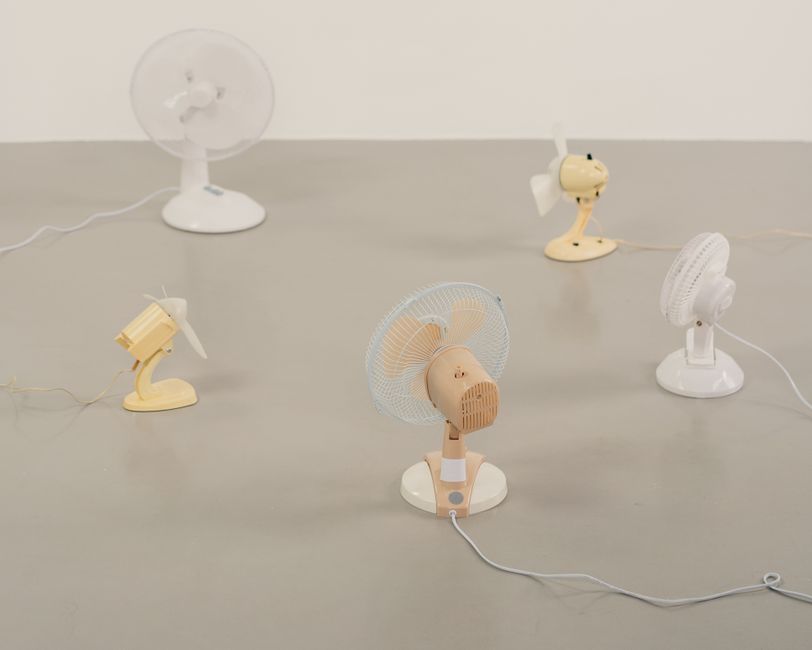
The world of fans offers a variety of options, each tailored to specific needs and spaces. Box fans are versatile and affordable, excellent for general room circulation and ventilation. Pedestal fans offer adjustable height and oscillation, allowing for targeted airflow and wider coverage. Tower fans are a space-saving option, ideal for smaller rooms, and often feature a sleeker design. Ceiling fans provide broad, consistent air circulation and are particularly effective at distributing heated or cooled air throughout a room. Desk fans are perfect for personal cooling at a workstation. Even smaller personal fans offer localized relief on the go. Choosing the right fan for your needs maximizes its benefits.
The Subtle Power of Airflow: A Holistic Approach to Well-being
In conclusion, the benefits of air circulation, facilitated by the simple yet powerful fan, are far-reaching and profoundly impact our comfort, health, and efficiency. From the immediate relief of a cooling breeze to the long-term advantages of improved air quality and reduced energy consumption, a fan is an indispensable tool for creating a healthier, more comfortable, and more productive living and working environment. Investing in a fan is not just about staying cool; it’s about embracing a holistic approach to well-being that acknowledges the vital role of air movement in our daily lives.