Description: Unlock the secrets of buying the perfect projector in India. Explore 4K, Laser, and Smart technologies, plus essential tips on Lumens, Contrast, and the best brands for your budget.
🌟 Introduction: Projectors are Not Just for Boardrooms Anymore
For the Indian consumer, the projector is rapidly evolving from a niche gadget for business presentations into the primary choice for home entertainment. The demand for an immersive, cinema-like viewing experience—especially fueled by the explosion of high-quality content on OTT platforms like Netflix, Hotstar, and JioCinema—has made large-screen projection a household necessity.
A modern projector offers a screen size of 100 inches or more—a scale that is simply unaffordable or impractical with a traditional television. Furthermore, advancements in 4K resolution, Laser light sources, and integrated Smart OS (like Android TV) have made today’s projectors smarter, brighter, and more user-friendly than ever before. This expert-level, in-depth guide is tailored for the Indian buyer, navigating the complex terminology and diverse market to ensure you make a smart, informed investment that lasts.
💡 Section 1: The Core Technical Pillars of Projectors
Understanding the fundamental specifications is the first step in selecting the right device. These pillars dictate the quality, clarity, and cost of the projection experience.
Brightness: The ANSI Lumen Score Demystified
Brightness is arguably the most crucial factor for a projector, particularly in India where ambient light in living rooms is often high. Brightness is measured in ANSI Lumens.
- The Difference: ANSI Lumens vs. LED Lumens: Be cautious of manufacturers quoting high “LED Lumens” or “Lux.” ANSI Lumens is the standardized, reliable measurement of light output. The figure is often significantly lower than the inflated LED Lumen number (roughly ANSI Lumens ≈ LED Lumens / 2.4). Always prioritize ANSI Lumens.
- Real-World Lumens Requirement for Indian Homes:
- Dedicated Home Theatre Room (Total Darkness): 1,000 to 2,000 ANSI Lumens is sufficient for a 100-120-inch screen. This is where contrast and black levels shine.
- Living Room/Mixed-Light Use (Evening/Lights On): 2,500 to 4,000+ ANSI Lumens is necessary to combat ambient light interference and ensure the image isn’t “washed out,” especially important for watching cricket matches or news during the day.
- Ultra-Portable/Mini Projectors: Often fall below 1,000 ANSI Lumens. These are best used in pitch-dark conditions or for travel.
Resolution and Image Quality: FHD to Native 4K
Resolution determines the sharpness and detail of the image. The Indian market largely revolves around three key resolutions:
- 720p / HD (1280 x 720): Common in the most affordable and portable projectors. Suitable for casual, small-screen viewing in dark rooms.
- Full HD (FHD) / 1080p (1920 x 1080): The sweet spot for value and performance. Offers a crisp, clear image on screens up to 120 inches and is the entry point for a true home cinema experience without the premium cost.
- 4K UHD (3840 x 2160): The gold standard.
- Pixel Shifting 4K: Most affordable 4K projectors use a technique called pixel shifting (often powered by Texas Instruments’ XPR technology) to flash four pixels sequentially to create the perceived detail of 8.3 million pixels. This is excellent and provides a clear 4K image experience.
- Native 4K: Found in high-end models (Sony, JVC, premium Epson). These have 8.3 million physical mirrors/pixels, offering the absolute best, most film-like detail.
Contrast Ratio: The Depth of the Image
Contrast ratio (e.g., 10,000:1) is the difference between the brightest white and the darkest black a projector can produce.
- Crucial for Home Cinema: A high contrast ratio gives depth, texture, and realism to scenes (especially dark ones). For dedicated, light-controlled home theatres, a contrast ratio of 20,000:1 or higher is desirable.
- Ambient Light Impact: In a bright living room, ambient light washes out the blacks, effectively reducing the perceptible contrast ratio. This is where Ambient Light Rejecting (ALR) screens become a critical accessory.
⚙️ Section 2: Technology Deep Dive – DLP vs. LCD vs. Laser
The engine of the projector determines its image characteristics, maintenance needs, and overall lifespan. The choice here is fundamental to your long-term viewing pleasure.
Projection Technologies: DLP vs. 3LCD
| Technology | Full Form | Key Mechanism | Pros | Cons | Best For |
| DLP | Digital Light Processing | Uses millions of tiny mirrors (DMD chip) to reflect light. | Sharpest image, sealed light path (dust-free), fast response time (great for gaming). | Can exhibit the “Rainbow Effect” (brief color flashes) in budget single-chip models; lower native contrast. | Gaming, Portability, Budget to Mid-Range 4K. |
| 3LCD | Three Liquid Crystal Display | Uses three separate LCD panels for Red, Green, and Blue light. | Excellent Colour Brightness (equal to White Brightness), no Rainbow Effect, higher light efficiency. | Potential for dust blobs (unsealed light path in some models), slightly visible pixel structure. | Business/Education, Colour-Critical Home Cinema. |
| LCoS | Liquid Crystal on Silicon | Hybrid of DLP (reflective) and LCD (liquid crystal). | Highest Native Contrast and deepest black levels; most film-like image; least visible pixels. | Most expensive; often reserved for ultra-premium home theatre setups. | High-End Cinephiles. |
Light Source Revolution: Lamp vs. LED vs. Laser
The traditional lamp projector, once the standard, is rapidly being replaced by more advanced, longer-lasting, and energy-efficient light sources.
- Lamp: Oldest technology. High brightness for the cost. Drawback: Requires replacement every 2,000 to 4,000 hours, which can be expensive and inconvenient.
- LED: Common in portable and budget projectors. Extremely long lifespan (~20,000+ hours). Drawback: Lower brightness than lamp or laser (often maxing out around 1,500 ANSI Lumens).
- Laser: The future of projection. Found in premium and Ultra Short Throw (UST) models. Advantages:
- Unrivaled Lifespan: ~20,000 to 30,000 hours (nearly maintenance-free).
- Instant On/Off: Unlike lamps, no cool-down time.
- Superior Colour: Triple-laser systems deliver an ultra-wide color gamut, rivaling cinema standards.
🏠 Section 3: Installation and Smart Features for the Indian Home
The logistical realities of Indian homes—from smaller apartment sizes to the demand for seamless streaming—make specific features non-negotiable.
Throw Distance: Choosing the Right Projector Type
Throw distance is the space required between the projector lens and the screen to achieve a desired image size.
- Standard Throw: Requires a long distance (e.g., 10 feet for a 100-inch screen). Best for large, dedicated cinema rooms.
- Short Throw: Needs less than 5 feet for a 100-inch screen. Excellent for medium-sized living rooms where space is limited, or you want the projector near the wall.
- Ultra Short Throw (UST): The game-changer for urban Indian apartments. It sits directly beneath or very close to the wall (often within 6-18 inches) to project a massive image. UST projectors are often premium, laser-based models (e.g., Samsung’s The Premiere, Hisense L Series) that act as TV replacements.
Smart Integration and Connectivity (Essential for OTT)
A projector that is not smart is a projector that creates clutter. Modern convenience demands a built-in OS.
- Certified Smart OS: Look for models with Android TV, Google TV, or Tizen OS (Samsung). These offer certified access to major Indian OTT apps (Netflix, Prime Video, etc.), ensuring stability and software updates. Avoid generic Android OS versions that often struggle with app compatibility.
- Essential Adjustments: Modern projectors offer intelligent features to simplify setup:
- Auto-Keystone Correction: Automatically squares the image even if the projector is placed at an angle.
- Auto-Focus: Ensures a sharp image instantly.
- HDMI 2.1: Crucial for gamers who need 4K resolution at high refresh rates (120Hz) and low input lag.
🇮🇳 Section 4: Projector Recommendations and Brands for India (2025)
The Indian market is segmented, with local brands dominating the budget space and global giants holding the premium share.
Market Leaders and Trusted Brands in India
- Epson (The 3LCD Specialist): Dominates the business/education sector and offers excellent colour-rich home cinema projectors using their proprietary 3LCD technology, ensuring equal White and Colour Brightness.
- BenQ (The DLP Master): A market leader known for high-quality DLP projectors, excellent color accuracy, and low input lag for gaming (e.g., their TH and TK series). Strong after-sales network in India.
- XGIMI / Anker Nebula (The Portable/Smart Leader): These brands specialize in premium, portable, smart LED/Laser projectors with excellent built-in Android TV and Harmon Kardon audio systems, perfect for those needing flexibility.
- WZATCO / Portronics (The Budget Contenders): Popular local brands offering incredibly accessible prices for first-time buyers and students, often featuring smart OS and decent brightness for dark-room viewing (e.g., under ₹25,000).
Projector Selection Based on Budget and Use Case
| Segment | Budget (Approx. ₹) | Recommended Specs | Ideal Use Case | Top Indian Picks |
| Entry/Portable | ₹15,000 – ₹35,000 | 720p/1080p, 500-1,000 ANSI Lumens, Smart OS. | Casual OTT streaming, bedroom/hostel use (must be dark), travel. | Portronics Beem 440, Zebronics PixaPlay. |
| Mid-Range/Value | ₹50,000 – ₹1,00,000 | Native 1080p, 2,000+ ANSI Lumens, Lens Shift/Zoom, Low Input Lag. | Living room cinema (mixed light), serious gaming, watching sports. | BenQ TH575, Epson EH-TW6250. |
| Premium/4K | ₹1,50,000+ | 4K UHD (Pixel Shifting or Native), 2,500+ ANSI Lumens, Laser/Advanced Lamp, UST options. | Dedicated Home Theatre, high-end design replacement for TV. | BenQ W2700i, XGIMI Horizon Ultra, LG CineBeam. |
Critical Accessories for Maximum Impact
Purchasing the projector is only half the battle. These accessories are essential for maximizing your image quality:
- Projector Screen: A good screen (especially a Grey ALR Screen for ambient light) improves contrast and brightness exponentially compared to a bare white wall.
- Sound System: Most built-in speakers are basic. A dedicated 2.1 Soundbar or a 5.1 Home Theatre system connected via HDMI eARC is non-negotiable for a true cinematic experience.
- UPS/Stabilizer: Voltage fluctuations are common in India. Protect your expensive projector’s light source (especially lamps) with a high-quality UPS or voltage stabilizer.
🎯 Conclusion: Projecting Your Future of Entertainment
The projector offers an unrivaled cinematic scale that redefines home entertainment. For the Indian consumer, the time is ripe to invest, driven by falling GST rates, technological convergence (4K, Laser), and the proliferation of high-resolution streaming content.
The smartest buying decision hinges on a careful balance: prioritize ANSI Lumens and Smart OS compatibility for a bright, hassle-free viewing experience in your existing home environment. If space is tight, explore the Ultra Short Throw (UST) laser models—they offer a future-proof, giant-screen solution that is almost impossible to beat. By focusing on your specific needs (dark-room quality vs. bright-room usability), you can confidently navigate the market and bring the magic of the big screen right into your living room.
✍️ Compelling Call to Action
Ready to transform your wall into a 120-inch cinema? Don’t settle for small screens! Use our guide to match your room’s brightness level to the right ANSI Lumen score, then click here to explore the top-rated 4K and Smart projectors designed for the dynamic Indian home environment!

Portable Mini Projector, 4K 1080P Full HD Projector, Support Video Projector, WiFi 5G BT 5.0, Cinema Projector 180° Can Be Rotated, Android 11, Compatible with TV Stick
₹2,999.00 (as of September 26, 2026 02:03 GMT +05:30 - More infoProduct prices and availability are accurate as of the date/time indicated and are subject to change. Any price and availability information displayed on [relevant Amazon Site(s), as applicable] at the time of purchase will apply to the purchase of this product.)
Magcubic Upgraded HY300PRO Mini Projector Android 14 with WiFi and Bluetooth, Portable Projector 4K Support, Auto Keystone, 180 Degree Rotation, Smart Proyector for Home Outdoor
₹5,098.00 (as of September 26, 2026 02:03 GMT +05:30 - More infoProduct prices and availability are accurate as of the date/time indicated and are subject to change. Any price and availability information displayed on [relevant Amazon Site(s), as applicable] at the time of purchase will apply to the purchase of this product.)
WZATCO Spectra, Android 14, Fully Automatic, Native 1080P Projector 4k Ultra HD, Sealed Engine, Dual Speakers, HDMI ARC, WiFi 6, 13000 Lumens, Portable Room Cinema, White
₹9,990.00 (as of September 26, 2026 02:03 GMT +05:30 - More infoProduct prices and availability are accurate as of the date/time indicated and are subject to change. Any price and availability information displayed on [relevant Amazon Site(s), as applicable] at the time of purchase will apply to the purchase of this product.)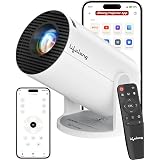
Lifelong Electronics Lightbeam Smart LED Projector | Smartphone Remote App | Android 14, 1080P & 4K Ultra HD Support, 4000 Lumens | All OTT Apps (Netflix, Prime, Jio etc) | WiFi/BT, HDMI, Cast, 150 in
₹7,290.00 (as of September 26, 2026 02:03 GMT +05:30 - More infoProduct prices and availability are accurate as of the date/time indicated and are subject to change. Any price and availability information displayed on [relevant Amazon Site(s), as applicable] at the time of purchase will apply to the purchase of this product.)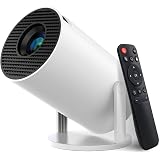
Smart Projector with Android 11 HD Projector 1080P 4K WiFi6 BT Home Theater Video Projector 180° Rotatable Stand Car Keystone Correction for Mobile Phone TV Stick (S1)
₹3,099.00 (as of September 26, 2026 02:03 GMT +05:30 - More infoProduct prices and availability are accurate as of the date/time indicated and are subject to change. Any price and availability information displayed on [relevant Amazon Site(s), as applicable] at the time of purchase will apply to the purchase of this product.)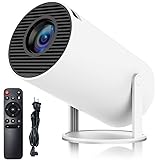
BIGASUO Projector Home 4K Support Andriod iOS 5G WiFi 1080P Smartphone Full HD Portable Builtin YouTube Other Apps Auto Keystone 4000 Lumens 200" Screen Compatible 4K TV Stick (HY300 WHITEEE1)
₹3,599.00 (as of September 26, 2026 02:03 GMT +05:30 - More infoProduct prices and availability are accurate as of the date/time indicated and are subject to change. Any price and availability information displayed on [relevant Amazon Site(s), as applicable] at the time of purchase will apply to the purchase of this product.)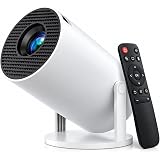
Portable Mini Projector, 4K 1080P Full HD Projector, Support Video Projector, WiFi 5G BT 5.0, Cinema Projector 180° Can Be Rotated, Android 11, Compatible with TV Stick for Kids and Adults.
₹2,999.00 (as of September 26, 2026 02:03 GMT +05:30 - More infoProduct prices and availability are accurate as of the date/time indicated and are subject to change. Any price and availability information displayed on [relevant Amazon Site(s), as applicable] at the time of purchase will apply to the purchase of this product.)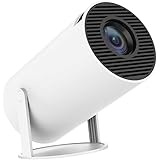
Smart Projector with Android 11 HD Projector 1080P 4K WiFi6 BT Home Theater Video Projector 180° Rotatable Stand Car Keystone Correction for Mobile Phone TV Stick R1
Now retrieving the price.
(as of September 26, 2026 02:03 GMT +05:30 - More infoProduct prices and availability are accurate as of the date/time indicated and are subject to change. Any price and availability information displayed on [relevant Amazon Site(s), as applicable] at the time of purchase will apply to the purchase of this product.)
E GATE Atom 3X Projector 4k Ultra HD Full HD 1080p Native Automatic Home Projector for Room | 300 ISO | Rotatable Design | Android Netflix Prime | ARC-HDMI USB WiFi-6 BT Screen Mirroring Egate
₹7,990.00 (as of September 26, 2026 02:03 GMT +05:30 - More infoProduct prices and availability are accurate as of the date/time indicated and are subject to change. Any price and availability information displayed on [relevant Amazon Site(s), as applicable] at the time of purchase will apply to the purchase of this product.)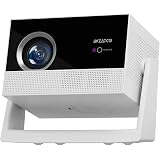
WZATCO Lunar, Android 14, Fully Automatic, Native 1080P FHD Projector 4k Ultra HD, 750 ANSI, Sealed Engine, HDMI ARC, Dual Speakers, WiFi 6 & BT, Portable Room Cinema, White
₹12,990.00 (as of September 26, 2026 02:03 GMT +05:30 - More infoProduct prices and availability are accurate as of the date/time indicated and are subject to change. Any price and availability information displayed on [relevant Amazon Site(s), as applicable] at the time of purchase will apply to the purchase of this product.)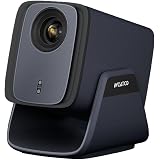
Wzatco Blaze Max, Google TV Official, Native 1080P Projector 4k Ultra HD, 1800 ANSI Ultra Bright, Fully Automatic, 1:1 Throw Ratio, 16 Watt, Chromecast, Smart Home Cinema, Blue
₹24,990.00 (as of September 26, 2026 02:03 GMT +05:30 - More infoProduct prices and availability are accurate as of the date/time indicated and are subject to change. Any price and availability information displayed on [relevant Amazon Site(s), as applicable] at the time of purchase will apply to the purchase of this product.)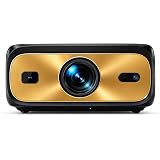
PIXPAQ Gold RAY Mastered 2026| 3450 ANSI Lumens | Vision X Optical Engine | HDMI 2.1 Android 13 Smart Home Theater Cinema Projector
₹27,985.00 (as of September 26, 2026 02:03 GMT +05:30 - More infoProduct prices and availability are accurate as of the date/time indicated and are subject to change. Any price and availability information displayed on [relevant Amazon Site(s), as applicable] at the time of purchase will apply to the purchase of this product.)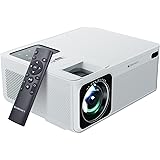
ZEBRONICS PIXAPLAY 58, Smart Projector, 12000 Lumens, 4K Support, 210 Inch Screen Size, Quad Core Processor, Bluetooth, HDMI, USB, WiFi, AUX, 1080p Native, APP Support, Miracast
₹13,199.00 (as of September 26, 2026 02:03 GMT +05:30 - More infoProduct prices and availability are accurate as of the date/time indicated and are subject to change. Any price and availability information displayed on [relevant Amazon Site(s), as applicable] at the time of purchase will apply to the purchase of this product.)
Portable Mini Projector, 4K 1080P Full HD Projector, Support Video Projector, WiFi 5G BT 5.0, Cinema Projector 180° Can Be Rotated, Android 11, Compatible with TV Stick
₹2,999.00 (as of September 26, 2026 02:03 GMT +05:30 - More infoProduct prices and availability are accurate as of the date/time indicated and are subject to change. Any price and availability information displayed on [relevant Amazon Site(s), as applicable] at the time of purchase will apply to the purchase of this product.)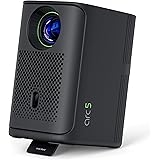
Lumio Arc 5 Portable Home Projector | Official Google TV with Netflix | Native 1080p Full HD | 4K Support | 200 ANSI Lumens | Auto Keystone | Dolby Audio | Sealed Light Engine | Bluetooth Speaker
₹20,989.00 (as of September 26, 2026 02:03 GMT +05:30 - More infoProduct prices and availability are accurate as of the date/time indicated and are subject to change. Any price and availability information displayed on [relevant Amazon Site(s), as applicable] at the time of purchase will apply to the purchase of this product.)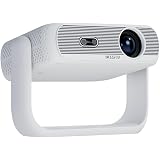
WZATCO Yuva Prime, Android 14, Auto Focus + Keystone, Projector 4k Ultra HD, ARC, Screen Mirroring, 11000 Lumens, Native 720P, Portable Cinema, White
₹6,990.00 (as of September 26, 2026 02:03 GMT +05:30 - More infoProduct prices and availability are accurate as of the date/time indicated and are subject to change. Any price and availability information displayed on [relevant Amazon Site(s), as applicable] at the time of purchase will apply to the purchase of this product.)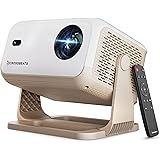
Crossbeats Lumex Cine Smart Mini Portable Projector 4k Ultra HD for Room | Native 1080p | 16000 Lumens | Android 14 | Netflix Prime Video YouTube Live TV| WiFi | Large 300 Inch Screen | Dust Free
Now retrieving the price.
(as of September 26, 2026 02:03 GMT +05:30 - More infoProduct prices and availability are accurate as of the date/time indicated and are subject to change. Any price and availability information displayed on [relevant Amazon Site(s), as applicable] at the time of purchase will apply to the purchase of this product.)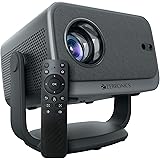
ZEBRONICS PIXAPLAY 67, Smart LED Projector, 9000 Lumens, 4K Support, 150 Inches Screen Size, Auto [ Focus | Keystone ], BT v5.2, HDMI, USB, RJ45, WiFi, 1080p Native, APP Support, BT Remote, Miracast
₹11,490.00 (as of September 26, 2026 02:03 GMT +05:30 - More infoProduct prices and availability are accurate as of the date/time indicated and are subject to change. Any price and availability information displayed on [relevant Amazon Site(s), as applicable] at the time of purchase will apply to the purchase of this product.)
Portronics Beem 440 Smart LED Projector with 720p HD Resolution, Rotatable Design, Built-in Streaming Apps (Netflix, Prime Video, Hotstar), 2200 Lumens, Screen Mirroring, 3 Watts Speaker (White)
₹6,798.00 (as of September 26, 2026 02:03 GMT +05:30 - More infoProduct prices and availability are accurate as of the date/time indicated and are subject to change. Any price and availability information displayed on [relevant Amazon Site(s), as applicable] at the time of purchase will apply to the purchase of this product.)