
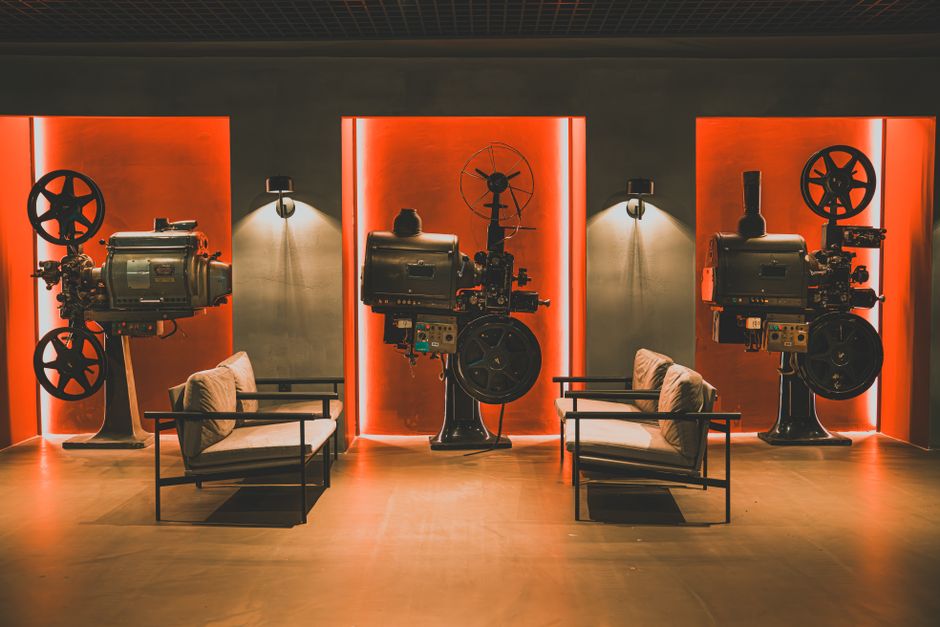
Home Theater Lighting: Setting the Mood for Unforgettable Movie Nights
The magic of a home theater isn’t solely about a colossal screen and earth-shattering sound. A crucial, often underestimated, element that elevates the cinematic experience is lighting. Proper home theater lighting transforms a room into a sanctuary of escapism, immersing viewers in the on-screen narrative. It’s the silent conductor of emotion, guiding your attention, enhancing realism, and reducing eye strain for truly captivating movie nights.
Understanding the Fundamentals: The Three Pillars of Home Theater Lighting
Effective home theater lighting revolves around three core principles:
- Ambient Lighting: This provides a general, low-level illumination throughout the space. It’s not about flooding the room with light, but rather offering enough to navigate safely and comfortably without distracting from the screen. Think of it as the subtle glow that allows you to find your popcorn or locate the remote.
- Task Lighting: This is focused illumination for specific activities, such as reading movie notes, preparing snacks, or adjusting equipment. While not directly part of the viewing experience, it’s essential for the practicalities of a home cinema.
- Accent Lighting: This is where the true mood-setting begins. Accent lighting is designed to highlight architectural features, artwork, or decorative elements, adding depth and visual interest to the room. Crucially, it can also be used to subtly guide the viewer’s eye and enhance the perceived contrast of the screen.
The Importance of Dimming: Mastering Light Control
The cornerstone of any effective home theater lighting scheme is dimmability. The ability to precisely control the intensity of your lights is paramount. During movie playback, the ideal scenario is to have the ambient lighting so low that it’s almost imperceptible, allowing the screen to dominate your visual field. This creates a sense of intimacy and focuses your attention squarely on the film.
Consider investing in high-quality dimmer switches. These aren’t just on/off toggles; they allow for smooth transitions and a wide range of brightness levels. For the ultimate control, explore smart lighting systems. These systems can be programmed to automatically dim or brighten based on movie playback, time of day, or even pre-set scenes. Imagine lights gently fading as the opening credits roll and gracefully returning as the movie concludes.
Strategic Placement: Where to Put Your Lights
The placement of your lighting fixtures is as important as the type of light you choose. Avoid direct light sources that can cause glare on the screen. This is a cardinal sin in home theater design.
- Wall Sconces: These are a popular choice for ambient and accent lighting. Mounted on the side walls, they can wash the walls with light, creating a soft, indirect glow. Opt for sconces that direct light upwards and downwards, or those with frosted diffusers to soften the output.
- Recessed Lighting (Can Lights): Strategically placed recessed lights can provide excellent ambient illumination. However, it’s crucial to position them carefully to avoid direct line-of-sight from the seating area. Angling them slightly towards the walls or using them in conjunction with baffles can mitigate glare. Consider using them for general room lighting when the projector is off.
- Cove Lighting: This is a sophisticated technique where lights are hidden within architectural coves or ledges, casting a diffused, indirect light onto the ceiling or walls. Cove lighting creates a luxurious and immersive atmosphere, effectively illuminating the space without introducing any direct light sources.
- LED Strip Lights: Versatile and energy-efficient, LED strips are ideal for subtle accent lighting. They can be installed behind the screen (bias lighting), along ceiling coves, under seating, or within cabinetry. Their flexibility allows for creative applications and the introduction of color.
Bias Lighting: The Unsung Hero of Screen Enhancement
Bias lighting, also known as TV backlighting or monitor lighting, is a subtle yet incredibly effective technique for improving the perceived contrast and reducing eye strain. It involves placing a soft, neutral white light source (typically LED strips) behind your TV or projector screen.
The principle is simple: the light emitted from the bias lighting subtly illuminates the wall behind the screen, creating a gentle halo effect. This helps your eyes adjust to the varying brightness levels on the screen more comfortably. Without bias lighting, your eyes are constantly adjusting between the bright screen and the dark surroundings, leading to fatigue. Bias lighting also helps to “push” the image towards you, making the perceived contrast of the on-screen image appear richer and deeper. Aim for a color temperature of around 6500K (daylight white) and a brightness that is just enough to be noticeable but not distracting.
Color Temperature: The Emotional Palette of Light
The color temperature of your lighting, measured in Kelvin (K), plays a significant role in setting the mood.
- Warm White (2000K-3000K): This produces a soft, inviting, and relaxing glow, reminiscent of candlelight or incandescent bulbs. It’s excellent for creating a cozy and intimate atmosphere, perfect for drama or romantic comedies.
- Neutral White (3500K-4500K): This offers a balanced light that is neither too warm nor too cool. It’s a versatile option that can work well for general ambient lighting and is often used for bias lighting.
- Cool White (5000K-6500K): This mimics daylight and can create a more energizing and crisp environment. While less common for primary home theater lighting, it can be useful for task lighting or in specific accent applications.
The Power of Color: Dynamic Lighting and Mood Creation
Beyond simple white light, the advent of smart RGB (Red, Green, Blue) LED lighting has opened up a world of creative possibilities for home theater enthusiasts. These lights can produce millions of colors, allowing you to dynamically alter the mood of your room to match the on-screen content.
- Matching the Scene: Imagine the deep blues of an ocean documentary, the fiery reds of an action sequence, or the ethereal greens of a fantasy landscape. With RGB LEDs, you can synchronize your lighting to the dominant colors on screen, creating a truly immersive, multi-sensory experience.
- Pre-set Scenes: Most smart lighting systems offer pre-programmed mood scenes. You can create your own custom scenes, such as “Relaxing Evening,” “Intense Thriller,” or “Family Fun,” each with its own unique color palette and brightness levels.
- Subtle Accents: Even without direct synchronization, strategically placed colored LED strips can add a sophisticated touch. A soft blue wash on the walls during a sci-fi film or a warm amber glow during a period drama can significantly enhance the viewing experience.
Controlling Your Lighting: Convenience and Integration
The best home theater lighting is intuitive and easy to control.
- Dimmers and Switches: Simple, high-quality dimmers are the foundation. Ensure they are compatible with your chosen lighting fixtures.
- Remote Controls: Dedicated remote controls offer a convenient way to adjust lighting without leaving your seat.
- Smart Home Integration: This is the pinnacle of lighting control. Systems like Philips Hue, Lutron Caséta, or Crestron allow you to control your lights via smartphone apps, voice commands (with assistants like Alexa or Google Assistant), or through automated schedules and scenes. Integration with your AV system can allow for automatic lighting adjustments when the movie starts.
Practical Considerations for a Seamless Experience
- Light Spill: Minimize light spill from your home theater into adjacent rooms. Use blackout curtains or blinds on windows and ensure doors are well-sealed.
- Reflection: Be mindful of reflective surfaces in your room, such as glossy furniture or picture frames. These can bounce light and create distractions. Matte finishes are generally preferred.
- Flicker-Free Lighting: Ensure your chosen lights are flicker-free, especially when using LEDs. Flickering lights can cause eye strain and headaches. Look for products specifically designed for video playback.
- Energy Efficiency: Opt for LED lighting for its energy efficiency and long lifespan, which translates to lower electricity bills and less frequent bulb replacements.
By thoughtfully integrating ambient, task, and accent lighting, mastering dimming and color temperature, and leveraging the power of smart technology, you can transform your home theater into a truly captivating cinematic haven. The right lighting isn’t just about illumination; it’s about crafting an emotional landscape that draws you deeper into the stories you love, making every movie night an unforgettable event.