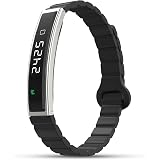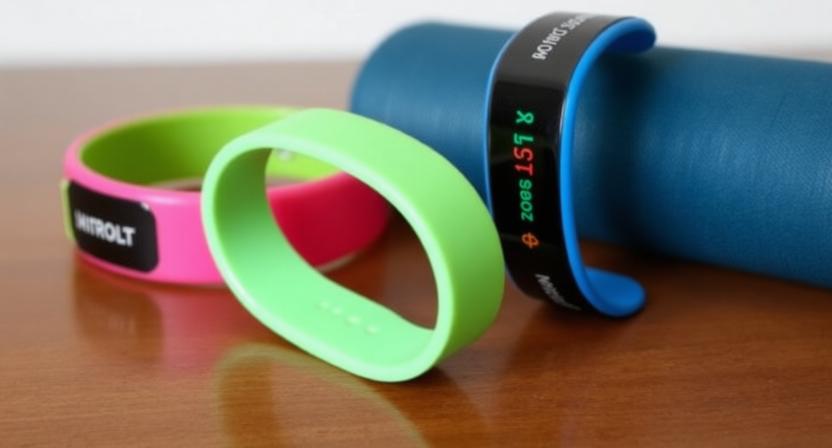
The pursuit of weight loss has long been a journey marked by meticulous calorie counting, grueling gym sessions, and often, a frustrating lack of tangible progress. While traditional methods have their place, the advent of fitness bands has undeniably revolutionized how individuals approach and monitor their weight loss efforts. These wearable devices, once a niche gadget, have become ubiquitous, offering a sophisticated yet accessible suite of tools that empower users with data-driven insights, personalized motivation, and a heightened awareness of their daily habits.
At their core, fitness bands are sophisticated sensors designed to capture a wealth of physiological data throughout the day. For weight loss tracking, the most fundamental metrics are calorie expenditure and activity levels. Bands meticulously record steps taken, distance covered, and active minutes, translating this raw data into estimations of calories burned. This goes beyond simply logging a workout; it provides a holistic view of your energy output, accounting for the incidental movement that constitutes a significant portion of daily activity. Understanding how many calories you burn simply by walking to your car or performing household chores can be a revelation, often highlighting the cumulative impact of seemingly small movements. This granular understanding empowers individuals to make informed decisions about their dietary intake, ensuring they are in a sustainable calorie deficit without resorting to extreme deprivation.
Beyond basic activity tracking, many advanced fitness bands incorporate heart rate monitoring. This feature is a game-changer for weight loss. By tracking your heart rate during exercise, bands can more accurately estimate calorie expenditure. Furthermore, they can help users understand their different heart rate zones, guiding them to optimize their workouts for fat burning. For instance, sustained periods in the “fat-burning zone” (typically a moderate intensity) can be more effective for long-term weight loss than sporadic, high-intensity bursts that might not be sustainable. This data allows for personalized training plans, moving away from a one-size-fits-all approach to exercise. Users can see in real-time how their heart rate responds to different activities, enabling them to push themselves appropriately and avoid overexertion or undertraining.
Sleep tracking is another crucial, yet often overlooked, component of weight loss that fitness bands excel at monitoring. Poor sleep quality and insufficient sleep are strongly linked to weight gain and difficulty losing weight. They disrupt hormone regulation, particularly ghrelin (the hunger hormone) and leptin (the satiety hormone), leading to increased cravings, particularly for unhealthy foods. Fitness bands analyze sleep duration, sleep stages (light, deep, and REM sleep), and restlessness, providing users with a clear picture of their sleep patterns. Armed with this data, individuals can identify areas for improvement, such as establishing a consistent sleep schedule, optimizing their sleep environment, or reducing screen time before bed. Better sleep translates to better hormonal balance, reduced cravings, and improved energy levels, all of which are conducive to successful weight loss.
The motivational aspect of fitness bands cannot be overstated. The constant stream of data, coupled with personalized feedback and goal setting, provides a powerful psychological boost. Many bands offer daily step goals, active minute targets, and calorie burn goals, encouraging consistent engagement. Gamification features, such as virtual badges for achieving milestones, friendly competitions with friends, and progress charts, transform the often arduous journey of weight loss into a more engaging and rewarding experience. The visual representation of progress, whether it’s a growing streak of hitting step goals or a declining trend in resting heart rate, offers tangible proof of effort and success, fostering a sense of accomplishment that fuels continued motivation.
Furthermore, the integration of fitness bands with companion apps has created a comprehensive ecosystem for weight loss management. These apps often allow users to manually log food intake, providing a more complete picture of their daily calorie balance. Some apps even integrate with other health platforms, allowing for a holistic view of well-being. The data collected by the band can then be used to provide personalized insights and recommendations within the app. For example, if the app detects a consistent pattern of low activity on certain days, it might suggest incorporating a short walk or a brief home workout. If sleep quality dips, the app might offer tips for better sleep hygiene. This intelligent analysis of collected data transforms raw numbers into actionable advice, making the weight loss process more strategic and less guesswork.
The concept of the “activity rings” or similar visual progress indicators on many popular fitness bands has also proven highly effective. These rings typically represent goals for movement, exercise, and standing. Seeing these rings fill up throughout the day provides a constant visual cue and a gentle nudge to stay active. For individuals who struggle with sedentary lifestyles, these visual reminders are invaluable. They encourage micro-movements, like standing up and stretching every hour or taking a short walk during breaks, which collectively contribute to increased calorie expenditure and a more active overall day.
The accuracy of fitness bands, while constantly improving, is still an area of discussion. However, for the purpose of tracking and monitoring weight loss, their value lies in consistency and trend identification. Even if the absolute calorie burn number is an estimation, the consistent tracking of that estimation over time provides a reliable indicator of changes in activity levels and energy expenditure. This allows users to see if their efforts are leading to an increase in calories burned, which is essential for maintaining a calorie deficit. The relative accuracy is sufficient to identify patterns and make informed adjustments to diet and exercise.
Moreover, fitness bands are democratizing health tracking. They are no longer exclusive to elite athletes. Their affordability and user-friendly interfaces have made them accessible to a broad demographic, empowering individuals from all walks of life to take control of their weight loss journey. The ease of use means that individuals who might have been intimidated by complex tracking methods can now easily monitor their progress with a simple glance at their wrist. This accessibility is crucial for long-term adherence and sustainable lifestyle changes.
In conclusion, fitness bands have moved beyond mere step counters to become indispensable tools for weight loss. By providing real-time data on activity, heart rate, and sleep, coupled with personalized motivation and intelligent app-based insights, they empower individuals with the knowledge and encouragement needed to achieve their weight loss goals. They transform the abstract concept of weight loss into a data-driven, actionable, and ultimately, more achievable endeavor.
Samsung Galaxy Fit3 Smartwatch Silver (Silver) SM-R390
₹4,299.00 (as of September 25, 2026 12:19 GMT +05:30 - More infoProduct prices and availability are accurate as of the date/time indicated and are subject to change. Any price and availability information displayed on [relevant Amazon Site(s), as applicable] at the time of purchase will apply to the purchase of this product.)
Drumstone 𝟏𝟓-𝐘𝐞𝐚𝐫 𝐖𝐚𝐫𝐫𝐚𝐧𝐭𝐲 M7 Fitness Band with Heart Rate, BP, Sleep Monitor & Step Counter | Waterproof Activity Tracker for Men, Women | Health Watch for Walking, Running, Exercise
₹889.00 (as of September 25, 2026 12:19 GMT +05:30 - More infoProduct prices and availability are accurate as of the date/time indicated and are subject to change. Any price and availability information displayed on [relevant Amazon Site(s), as applicable] at the time of purchase will apply to the purchase of this product.)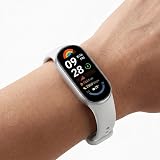
Drumstone TopRated 𝟏𝟓𝐘𝐫 𝐖𝐚𝐫𝐫𝐚𝐧𝐭𝐲 Waterproof Fitness Watch with Heart Rate and Blood Pressure Monitor, Step Counter, Calorie Tracker, Sleep Analysis and Smart Alerts, Smart Watch
₹889.00 (as of September 25, 2026 12:19 GMT +05:30 - More infoProduct prices and availability are accurate as of the date/time indicated and are subject to change. Any price and availability information displayed on [relevant Amazon Site(s), as applicable] at the time of purchase will apply to the purchase of this product.)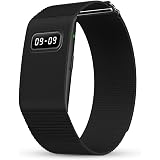
Pebble Qore View Fitness Band with 30 Days Battery Life | 100+ Sports Modes | Advanced Health Tracking | HR & SpO2| Stress | Sleep Monitoring (Deep Black)
₹3,999.00 (as of September 25, 2026 12:19 GMT +05:30 - More infoProduct prices and availability are accurate as of the date/time indicated and are subject to change. Any price and availability information displayed on [relevant Amazon Site(s), as applicable] at the time of purchase will apply to the purchase of this product.)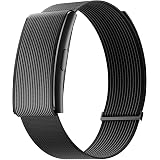
CrossBeats Vector Smart Band with 45 Days Battery Life, 5ATM Waterproof, HRV & SpO2 Tracking, Sleep & Stress Monitoring, 6-Axis Motion Sensor, Strava & Google Health Connect
₹3,999.00 (as of September 25, 2026 12:19 GMT +05:30 - More infoProduct prices and availability are accurate as of the date/time indicated and are subject to change. Any price and availability information displayed on [relevant Amazon Site(s), as applicable] at the time of purchase will apply to the purchase of this product.)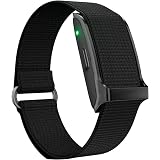
Nex-Q2 Smart Fitness Band with Heart Rate Monitoring, HRV Analysis, Stress Monitoring, Sleep Tracking, 25+ Days Battery Life, 30+ Sports Modes, Subscription Free
Now retrieving the price.
(as of September 25, 2026 12:19 GMT +05:30 - More infoProduct prices and availability are accurate as of the date/time indicated and are subject to change. Any price and availability information displayed on [relevant Amazon Site(s), as applicable] at the time of purchase will apply to the purchase of this product.)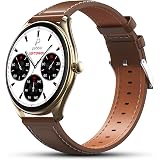
Pebble Royale Legend 1.43" AMOLED Display, Slimmest Design, Bluetooth Calling, Premium Built, Always On Display, Multi Sports Mode, Health Suite, Smart Calculator (Brown)
₹2,999.00 (as of September 25, 2026 12:19 GMT +05:30 - More infoProduct prices and availability are accurate as of the date/time indicated and are subject to change. Any price and availability information displayed on [relevant Amazon Site(s), as applicable] at the time of purchase will apply to the purchase of this product.)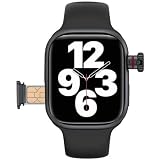
SE HUB S9 HC 4G SIM Smartwatch with 180° Rotating Side Camera, AMOLED HD Display, 2GB RAM + 16GB ROM, GPS, Bluetooth Calling, Play Store and Fitness Tracking for Men & Women
₹6,750.00 (as of September 25, 2026 12:19 GMT +05:30 - More infoProduct prices and availability are accurate as of the date/time indicated and are subject to change. Any price and availability information displayed on [relevant Amazon Site(s), as applicable] at the time of purchase will apply to the purchase of this product.)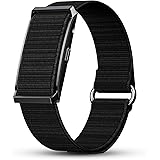
Pebble Newly Launched Qore Fitness Band with 45 Days Battery Life | 100+ Sports Modes | Advanced Health Tracking | HR & SpO2| Stress| Sleep | OneKey Measurement | Smart Notifications - Black
₹2,699.00 (as of September 25, 2026 12:19 GMT +05:30 - More infoProduct prices and availability are accurate as of the date/time indicated and are subject to change. Any price and availability information displayed on [relevant Amazon Site(s), as applicable] at the time of purchase will apply to the purchase of this product.)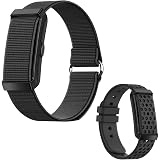
pTron Reflect ACE Smart Fitness Band w/ 45 Days Battery Life, 112 Sports Modes, Heart Rate, SpO2, Stress, Sleep Tracking, HRV, Smart Notifications, 1-Key Measurement, Nylon & Silicon Straps (Black)
Now retrieving the price.
(as of September 25, 2026 12:19 GMT +05:30 - More infoProduct prices and availability are accurate as of the date/time indicated and are subject to change. Any price and availability information displayed on [relevant Amazon Site(s), as applicable] at the time of purchase will apply to the purchase of this product.)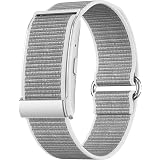
sekyo Smart Flex pro Fitness Band for man, No-Display Fitness Tracker with Heart Rate & Sleep Monitoring, Activity Tracker, Remote Camera Control, Waterproof Wearable (Brown)
Now retrieving the price.
(as of September 25, 2026 12:19 GMT +05:30 - More infoProduct prices and availability are accurate as of the date/time indicated and are subject to change. Any price and availability information displayed on [relevant Amazon Site(s), as applicable] at the time of purchase will apply to the purchase of this product.)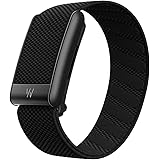
Whoop 5.0 Health and Fitness Wearable – 12 Month Membership Included | 24/7 Activity and Sleep Tracker, AI Coaching, Sleep, Strain, Recovery & Menstrual Cycle Insights – 14+ Days Battery Life
₹28,990.00 (as of September 25, 2026 12:19 GMT +05:30 - More infoProduct prices and availability are accurate as of the date/time indicated and are subject to change. Any price and availability information displayed on [relevant Amazon Site(s), as applicable] at the time of purchase will apply to the purchase of this product.)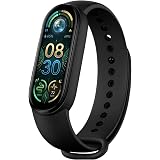
Drumstone TopRated 𝟏𝟓𝐘𝐫 𝐖𝐚𝐫𝐫𝐚𝐧𝐭𝐲 M6 Fitband Heart Rate Monitor, Bluetooth Activity Tracker Watch with Fitness, Sports, Health Monitoring & Daily Activity Tracking, Smart Fitness Band
₹999.00 (as of September 25, 2026 12:19 GMT +05:30 - More infoProduct prices and availability are accurate as of the date/time indicated and are subject to change. Any price and availability information displayed on [relevant Amazon Site(s), as applicable] at the time of purchase will apply to the purchase of this product.)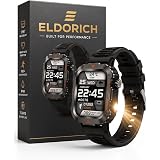
ELDORICH Sporty Smartwatch with Inbuilt Torch, Bluetooth Calling, 1.96" HD Display, Heart Rate & SpO2 Monitor, 100+ Sports Modes, IP68 Waterproof, 7 Days Battery, Fitness Smart Watch for Men & Women
₹799.00 (as of September 25, 2026 12:19 GMT +05:30 - More infoProduct prices and availability are accurate as of the date/time indicated and are subject to change. Any price and availability information displayed on [relevant Amazon Site(s), as applicable] at the time of purchase will apply to the purchase of this product.)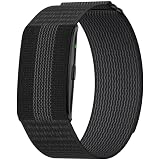
Fit Pro X Fitness Band Smart for Men & Women Smart Health Tracker Upto 30 Days Battery | Heart Rate, Stress,HR | 6 AXIS Sensor | iOS/Android Support | Strap Inbox, 1 Silicon & 1 Nylon, (Black)
₹5,899.00 (as of September 25, 2026 12:19 GMT +05:30 - More infoProduct prices and availability are accurate as of the date/time indicated and are subject to change. Any price and availability information displayed on [relevant Amazon Site(s), as applicable] at the time of purchase will apply to the purchase of this product.)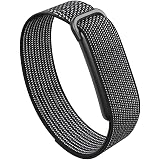
Fitix Style Smart Band Fitness Health Activity Tracker HRV Analysis, Sleep and Stress Monitor, Subscription Free Screenless Smart Bracelet (Black)
₹2,990.00 (as of September 25, 2026 12:19 GMT +05:30 - More infoProduct prices and availability are accurate as of the date/time indicated and are subject to change. Any price and availability information displayed on [relevant Amazon Site(s), as applicable] at the time of purchase will apply to the purchase of this product.)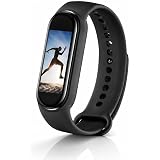
Drumstone 𝐄𝐯𝐞𝐫𝐲𝐝𝐚𝐲 𝐄𝐬𝐬𝐞𝐧𝐭𝐢𝐚𝐥𝐬, 𝟏𝟓 𝐘𝐞𝐚𝐫 𝐖𝐚𝐫𝐫𝐚𝐧𝐭𝐲, Smart Fitness Band, Heart Rate Monitor, LED Touchscreen Activity Tracker Watch, Waterproof Bluetooth Fitness Band
₹889.00 (as of September 25, 2026 12:19 GMT +05:30 - More infoProduct prices and availability are accurate as of the date/time indicated and are subject to change. Any price and availability information displayed on [relevant Amazon Site(s), as applicable] at the time of purchase will apply to the purchase of this product.)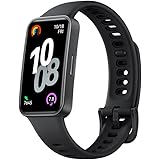
Huawei Band 10 Smartwatch with AI-Powered Fitness Monitoring, Pro-Level Sleep Analysis, Emotional Wellbeing Assistant,Streamlined Metallic Design,Fast Charging,iOS Android (Band 10, Strap Black)
₹3,999.00 (as of September 25, 2026 12:19 GMT +05:30 - More infoProduct prices and availability are accurate as of the date/time indicated and are subject to change. Any price and availability information displayed on [relevant Amazon Site(s), as applicable] at the time of purchase will apply to the purchase of this product.)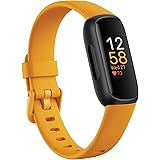
Fitbit Inspire 3 Health & Fitness Tracker (Morning Glow/Black) with 6-Month Premium Membership
₹8,998.00 (as of September 25, 2026 12:19 GMT +05:30 - More infoProduct prices and availability are accurate as of the date/time indicated and are subject to change. Any price and availability information displayed on [relevant Amazon Site(s), as applicable] at the time of purchase will apply to the purchase of this product.)