
The Ultimate Guide to Choosing Your Next Wallet
The wallet, often overlooked, is a daily companion, a silent keeper of your financial life and identity. From the smooth leather of a bifold to the minimalist efficiency of a cardholder, the perfect wallet is more than just a place to stash cash and plastic; it’s a statement of your personal style and practical needs. This comprehensive guide will equip you with the knowledge to make an informed decision, ensuring your next wallet is a seamless blend of functionality, durability, and aesthetic appeal.
Understanding Your Needs: The Foundation of Your Choice
Before diving into materials and styles, the most crucial step is to honestly assess your personal requirements. Consider the following:
- What do you carry? Do you primarily use credit and debit cards, or do you still rely on cash? How many cards do you typically have on hand? Do you need space for business cards, receipts, coins, or even a driver’s license photo?
- How do you carry your wallet? Is it a front-pocket carry, a back-pocket staple, or do you prefer to keep it in a bag or jacket? This will influence the wallet’s thickness and profile.
- What is your lifestyle? Are you a minimalist who values sleekness and efficiency, or do you need a more robust wallet for everyday travel and frequent transactions? Are you prone to overstuffing, or do you prefer to keep things streamlined?
- What is your budget? Wallets range from budget-friendly options to luxury investments. Defining your price range will help narrow down your choices.
- What is your personal style? Your wallet should complement your overall aesthetic. Are you drawn to classic, modern, rugged, or understated designs?
Wallet Styles: A Spectrum of Functionality and Form
The world of wallets offers a diverse array of styles, each catering to different preferences and carrying habits.
The Bifold Wallet: The Enduring Classic
The bifold remains one of the most popular wallet styles for a reason. Its traditional design features two panels that fold in half, offering a balance of card slots and a bill compartment.
- Pros: Ample storage for cards and cash, familiar and comfortable to use, available in a vast range of materials and designs.
- Cons: Can become bulky if overstuffed, may not be ideal for front-pocket carry due to its thickness.
- Best for: Those who carry a moderate number of cards and cash, appreciate a traditional feel, and typically carry their wallet in a back pocket or bag.
The Trifold Wallet: Maximum Capacity, Potential Bulk
As the name suggests, a trifold wallet folds into three sections. This design significantly increases storage space, making it suitable for those who need to carry a lot.
- Pros: Excellent capacity for cards, cash, and even photos or small documents.
- Cons: Can become very thick and cumbersome, especially when fully loaded. May feel less secure due to its size.
- Best for: Individuals who carry a large number of cards, receipts, or need dedicated compartments for various items, and don’t mind a thicker profile.
The Cardholder: The Minimalist’s Dream
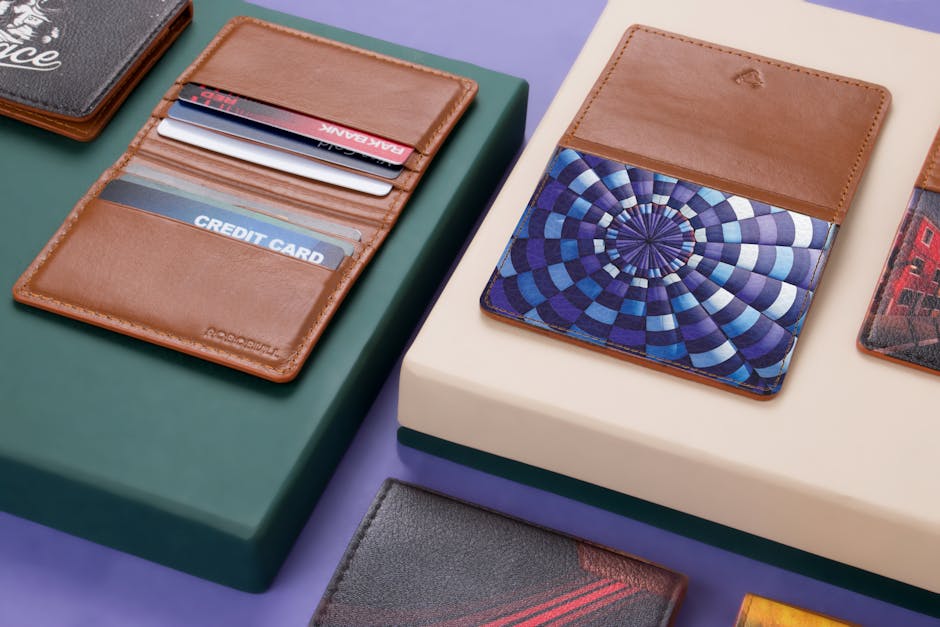
For the card-centric individual, the cardholder is the ultimate solution. These slim, compact wallets are designed to hold a select number of credit and debit cards, often with a small central compartment for a few folded bills.
- Pros: Extremely slim and lightweight, perfect for front-pocket carry, promotes a minimalist approach to carrying essentials.
- Cons: Limited capacity for cash and no dedicated coin pouch. Not suitable for those who carry many items.
- Best for: Minimalists, those who primarily use cards for transactions, and individuals seeking a sleek, unobtrusive wallet.
The Long Wallet/Continental Wallet: Sophistication and Space
Often associated with a more elegant aesthetic, long wallets are designed to hold bills flat without folding, and typically feature multiple compartments for cards, coins, and even a passport.
- Pros: Keeps bills crisp, offers generous storage, often includes zippered pockets for security, can be a stylish accessory.
- Cons: Can be too large for traditional back-pocket carry, may feel more like a clutch.
- Best for: Those who prefer to keep their bills unfolded, appreciate ample organization, and carry their wallet in a jacket pocket or bag.
The Money Clip Wallet: A Modern Hybrid
A money clip wallet cleverly combines the functionality of a money clip with the organization of a wallet, typically featuring card slots alongside a secure clip for cash.
- Pros: Slim profile, keeps cash organized and accessible, often has dedicated card slots.
- Cons: Limited capacity compared to traditional wallets, may not be ideal for those who carry a lot of cash.
- Best for: Individuals who prefer to carry cash but want a more organized and slim solution than just a standalone money clip.
The Coin Pouch Wallet: For the Coin Enthusiast
While many wallets have a small coin pocket, dedicated coin pouch wallets offer more substantial storage for loose change. These can be standalone or integrated into larger wallet designs.
- Pros: Secure and organized storage for coins, prevents jingling.
- Cons: Can add bulk to the wallet.
- Best for: Individuals who frequently use cash and accumulate a significant amount of coins.
Materials Matter: Durability, Aesthetics, and Feel
The material of your wallet significantly impacts its durability, look, and how it ages over time.
Leather: The Timeless Choice
Leather is the quintessential wallet material, offering a blend of luxury, durability, and a rich patina that develops with age.
- Full-Grain Leather: The highest quality, it retains the natural grain and imperfections of the hide, making it incredibly durable and developing a beautiful patina over time.
- Top-Grain Leather: The second-highest quality, it has had the outermost layer of the hide buffed or sanded to remove imperfections. Still durable and soft, but may not develop as deep a patina as full-grain.
- Genuine Leather: A more affordable option, it’s made from the lower layers of the hide and can be less durable and have a less premium feel.
- Bonded Leather: Made from scraps of leather bonded together with adhesive, it’s the least durable and lowest quality leather.
Key Considerations for Leather:
- Tanning Process: Vegetable-tanned leather is more eco-friendly and develops a rich patina. Chrome-tanned leather is softer and more resistant to water but may not age as gracefully.
- Finish: Smooth leather offers a classic look, while textured or distressed finishes can add character.
Canvas: The Rugged and Practical Option
Canvas wallets offer a more casual and durable alternative to leather, often found in military-inspired or outdoor gear.
- Pros: Highly durable, water-resistant (depending on treatment), lightweight, often more affordable.
- Cons: Can be less refined in appearance than leather, may not develop a patina.
- Best for: Those with an active lifestyle, who prioritize durability, and prefer a more utilitarian aesthetic.
Nylon/Polyester: The Lightweight and Affordable Choice
Synthetic materials like nylon and polyester are known for their durability, water resistance, and affordability.
- Pros: Lightweight, water-resistant, easy to clean, very durable, cost-effective.
- Cons: Can lack the luxurious feel of leather, may appear less formal.
- Best for: Budget-conscious buyers, travelers, and those who need a highly functional and low-maintenance wallet.
Metal: The Modern and Secure
Wallets made from aluminum, stainless steel, or titanium are increasingly popular for their minimalist aesthetic and advanced features like RFID blocking.
- Pros: Extremely durable, slim profile, often feature RFID blocking to protect against electronic theft, modern and sleek appearance.
- Cons: Can be colder to the touch, may scratch, limited capacity compared to traditional wallets.
- Best for: Tech-savvy individuals, minimalists, and those who prioritize security and a futuristic look.
Exotic Materials: For the Bold and Unique
Materials like carbon fiber, cork, or even recycled materials offer distinctive textures and aesthetics for those seeking something truly unique.
- Pros: Unique appearance, often lightweight and durable.
- Cons: Can be more expensive, availability may be limited.
- Best for: Individuals who want to make a statement and appreciate unconventional materials.
Key Features to Consider: Beyond Style and Material
Once you’ve narrowed down your style and material preferences, delve into the specific features that will enhance your wallet’s usability.
- RFID Blocking: Essential for protecting your credit and debit cards from unauthorized scanning and data theft. Many modern wallets incorporate this technology.
- Number of Card Slots: Ensure the wallet has enough slots for your current and future needs. Some wallets offer expandable slots or cleverly designed arrangements.
- Bill Compartment: Consider whether you prefer a single compartment for bills or multiple sections for different currencies or organized receipts.
- Coin Pouch: If you frequently carry loose change, a dedicated and secure coin pouch is a must.
- ID Window: A clear window for your driver’s license or identification can be convenient for quick verification.
- Internal Pockets: Additional pockets can be useful for storing receipts, business cards, or loyalty cards.