
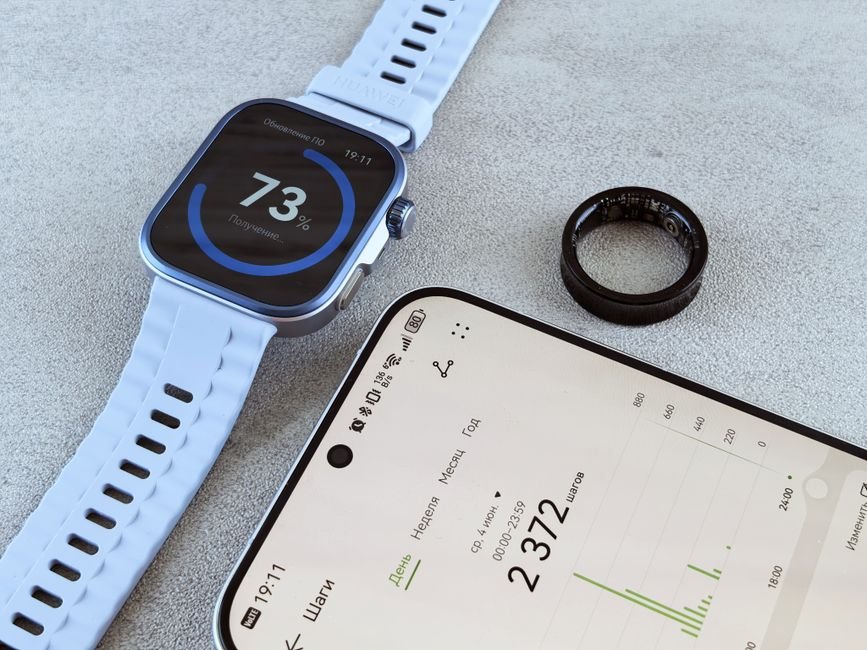
Fitness Band with SpO2: Your Ultimate Health Tracker
The modern fitness band has evolved far beyond simple step counting. Today’s advanced wearables are sophisticated health companions, offering a holistic view of your well-being. Among the most impactful advancements is the integration of SpO2 monitoring, transforming these devices into true health trackers. Understanding your blood oxygen saturation (SpO2) provides crucial insights into your respiratory and cardiovascular health, making a fitness band with SpO2 an indispensable tool for anyone prioritizing their health.
What is SpO2 and Why Does it Matter?
SpO2, or peripheral capillary oxygen saturation, measures the percentage of hemoglobin in your blood that is carrying oxygen. Hemoglobin is the protein in red blood cells responsible for transporting oxygen from your lungs to your tissues and organs. A healthy SpO2 level typically ranges from 95% to 100%. Readings below 90% can indicate hypoxemia, a condition where your blood oxygen levels are abnormally low, potentially signaling underlying health issues.
Monitoring SpO2 is vital for several reasons:
- Respiratory Health: It directly reflects how efficiently your lungs are absorbing oxygen from the air. Low SpO2 can be an early indicator of respiratory conditions like asthma, COPD, or even the flu.
- Cardiovascular Function: Adequate oxygenation is essential for your heart to pump blood effectively. Persistent low SpO2 can strain your cardiovascular system.
- Sleep Quality: During sleep, breathing patterns can change. SpO2 monitoring can reveal dips in oxygen levels that might disrupt sleep and lead to daytime fatigue. This is particularly relevant for individuals with sleep apnea.
- Fitness Performance: For athletes and fitness enthusiasts, optimal oxygen levels are crucial for endurance and recovery. Tracking SpO2 can help identify if your body is receiving enough oxygen during strenuous activity or if recovery is being hampered.
- Altitude Acclimatization: When traveling to higher altitudes, your body needs time to adjust to lower oxygen levels. SpO2 tracking can provide real-time feedback on your acclimatization progress.
- General Well-being: Consistent monitoring can help you identify patterns and anomalies in your body’s oxygenation, prompting you to seek medical advice when necessary.
How Does a Fitness Band Measure SpO2?
Fitness bands utilize a technology called photoplethysmography (PPG) to measure SpO2. This involves using light-emitting diodes (LEDs) and a photodetector. The LEDs emit red and infrared light through your skin and into your blood vessels. Different wavelengths of light are absorbed differently by oxygenated and deoxygenated hemoglobin.
- Oxygenated hemoglobin absorbs more infrared light and reflects more red light.
- Deoxygenated hemoglobin absorbs more red light and reflects more infrared light.
The photodetector measures the amount of light that is reflected back. By analyzing the ratio of red to infrared light absorption, the band’s algorithm calculates your SpO2 level. This process is non-invasive and can be performed at any time, though it’s most accurate when you are at rest.
Key Features to Look for in a Fitness Band with SpO2:
When choosing a fitness band with SpO2 monitoring, consider the following features to ensure you get the most comprehensive health tracking experience:
- Accuracy and Reliability: While consumer-grade SpO2 sensors are not medical-grade devices, reputable brands invest in sophisticated algorithms and sensor technology to provide accurate readings. Look for reviews and comparisons from trusted tech publications.
- Continuous vs. On-Demand Monitoring: Some bands offer continuous SpO2 monitoring, providing a comprehensive picture of your oxygen levels throughout the day and night. Others require you to initiate a reading on demand. Continuous monitoring is ideal for identifying sleep-related issues or subtle changes.
- Sleep Tracking Integration: The most valuable SpO2 data is often derived when correlated with sleep patterns. Look for bands that offer detailed sleep stage analysis (light, deep, REM) and highlight any SpO2 dips during these stages.
- Heart Rate Monitoring: SpO2 and heart rate are closely linked. A band that accurately tracks both provides a more complete cardiovascular picture. Advanced bands also offer heart rate variability (HRV) tracking, which can indicate stress levels and recovery.
- Activity Tracking: Beyond SpO2, comprehensive activity tracking is essential. This includes steps, distance, calories burned, active minutes, and various sport modes for specific workouts (running, cycling, swimming, etc.).
- GPS Integration: For outdoor activities like running and cycling, built-in GPS allows for accurate tracking of distance, pace, and route without needing your phone.
- Battery Life: Continuous SpO2 monitoring and other advanced features can impact battery life. Consider how often you’re willing to charge your device.
- Water Resistance: If you plan to swim or wear your band in the shower, ensure it has adequate water resistance (e.g., 5 ATM rating).
- Companion App Functionality: The accompanying smartphone app is crucial for visualizing your data, tracking trends over time, and receiving personalized insights. Look for an intuitive and feature-rich app.
- Smart Notifications: Many bands offer smart notifications for calls, texts, and app alerts, keeping you connected without constantly checking your phone.
- Design and Comfort: You’ll be wearing this device 24/7, so choose a design that is comfortable, stylish, and durable.
Benefits of Using a Fitness Band with SpO2 for Different User Groups:
1. Fitness Enthusiasts and Athletes:
- Performance Optimization: Monitor SpO2 during intense workouts to understand how well your body is utilizing oxygen. This can help identify if you’re pushing too hard or if your training is effective.
- Recovery Insights: Track SpO2 during rest and sleep to assess recovery status. Low SpO2 during recovery might indicate overtraining or insufficient rest.
- Altitude Training: For athletes training at high altitudes, SpO2 monitoring provides real-time feedback on their body’s adaptation to lower oxygen levels.
- Identifying Breathing Issues: Athletes prone to exercise-induced asthma can use SpO2 readings to identify triggers and manage their condition proactively.
2. Individuals with Respiratory Conditions:
- Early Detection of Issues: For individuals with conditions like asthma or COPD, subtle drops in SpO2 can be an early warning sign of worsening symptoms, prompting them to seek medical attention sooner.
- Monitoring Treatment Effectiveness: Track SpO2 levels to see if prescribed medications or therapies are improving lung function.
- Understanding Daily Fluctuations: Gain insight into how daily activities, environmental factors, or even stress impact their oxygen saturation.
3. Individuals Focused on Sleep Health:
- Detecting Sleep Apnea Indicators: While not a diagnostic tool, significant and frequent dips in SpO2 during sleep can be a strong indicator of potential sleep apnea, prompting a discussion with a healthcare professional.
- Improving Sleep Quality: By understanding when SpO2 levels drop, users can work with their doctor to identify strategies for better sleep hygiene and airway management.
- Assessing the Impact of Sleep Position: Some users might find that certain sleep positions lead to lower SpO2 readings, allowing them to adjust their sleeping habits.
4. Older Adults and Those with Chronic Health Conditions:
- Proactive Health Monitoring: Regular SpO2 checks can provide peace of mind and an early warning system for potential health declines in individuals managing chronic conditions like heart disease or diabetes.
- Assessing Activity Levels: Understand how physical activity impacts oxygen levels and ensure they are not overexerting themselves.
- Tracking Recovery from Illness: Monitor SpO2 after an illness to gauge the body’s recovery progress.
5. General Wellness Seekers:
- Increased Health Awareness: Provides a deeper understanding of the body’s internal workings beyond just activity metrics.
- Motivation for Healthier Habits: Seeing how lifestyle choices affect SpO2 can motivate individuals to eat better, exercise more, and manage stress.
- Personalized Health Insights: The data collected can help identify personal trends and anomalies, empowering users to take a more proactive role in their health.
Integrating SpO2 Data into Your Health Journey:
The true power of a fitness band with SpO2 lies in how you interpret and act upon the data. It’s not about obsessing over numbers but about using them as a guide.
- Establish a Baseline: Understand your typical SpO2 levels when you’re healthy and at rest. This will help you identify deviations.
- Observe Trends: Look for patterns over days, weeks, and months. Are your SpO2 levels consistently lower at certain times of day or during specific activities?
- Correlate with Other Metrics: Combine SpO2 data with heart rate, sleep quality, and activity logs for a more comprehensive understanding. For example, if you experience a dip in SpO2 during sleep and wake up feeling unrefreshed, it’s a significant correlation.
- Consult Your Doctor: Crucially, remember that a fitness band is not a medical device. If you notice consistently low SpO2 readings, significant fluctuations, or any concerning symptoms, consult your healthcare provider. They can interpret the data in the context of your overall health and medical history.
- Utilize App Insights: Many companion apps offer personalized feedback and suggestions based on your data. Take advantage of these features.
The Future of Fitness Bands and Health Tracking:
The integration of SpO2 is just one step in