
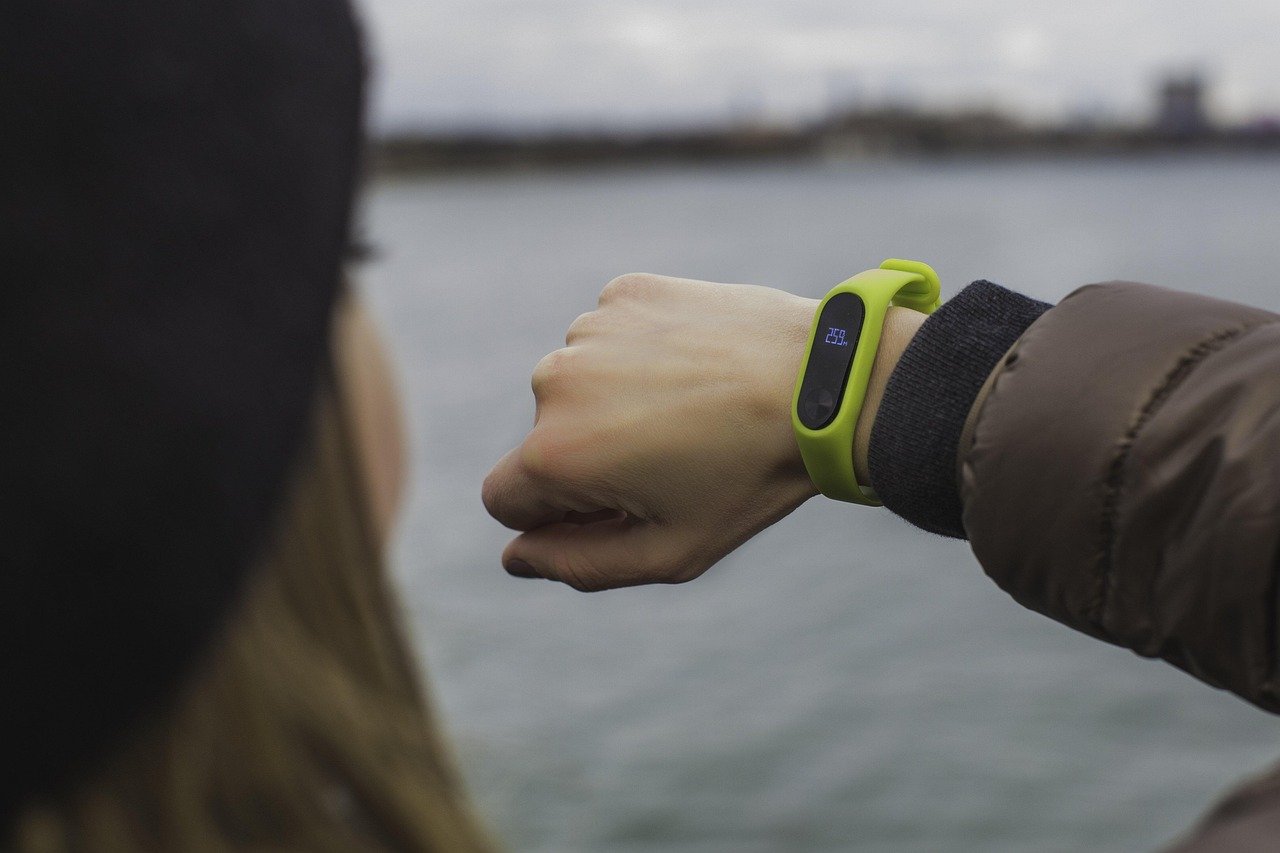
Optimize Your Health Journey with AI Smartwatch Technology
The integration of Artificial Intelligence (AI) into wearable technology, particularly smartwatches, is revolutionizing how individuals approach their health and fitness. These sophisticated devices are no longer just timekeepers or notification hubs; they are becoming intelligent companions, offering personalized insights and proactive guidance to optimize your well-being. Understanding and leveraging AI smartwatch technology can empower you to make informed decisions, achieve your health goals, and live a healthier, more fulfilling life.
The Power of AI in Smartwatch Health Tracking
At its core, AI in smartwatches processes vast amounts of data collected from various sensors. These sensors, including accelerometers, gyroscopes, heart rate monitors, and increasingly, SpO2 (blood oxygen) sensors and ECG (electrocardiogram) capabilities, generate a constant stream of information about your body’s physiological state. AI algorithms then analyze this data, identifying patterns, trends, and anomalies that might otherwise go unnoticed.
Personalized Activity and Fitness Coaching:
Gone are the days of generic workout plans. AI-powered smartwatches offer hyper-personalized fitness coaching. By analyzing your activity levels, sleep patterns, heart rate variability, and even workout intensity, the AI can:
- Recommend Optimal Workout Times: Suggest when your body is most receptive to exercise based on your recovery and energy levels.
- Tailor Exercise Intensity: Adjust recommended workout intensity and duration based on your current fitness level and progress, preventing overtraining and maximizing effectiveness.
- Suggest Diverse Activities: Propose new activities or variations of existing ones to keep your routine engaging and challenge different muscle groups.
- Provide Real-time Feedback: Offer immediate insights during workouts, such as pacing guidance, form correction cues (with advanced models), and motivational prompts.
- Predict Performance: Some advanced AI can even predict your potential performance in certain activities based on your training data.
Advanced Sleep Analysis and Optimization:
Sleep is a cornerstone of good health, and AI smartwatches are providing unprecedented insights into our slumber. Beyond simply tracking sleep duration, AI analyzes:
- Sleep Stages: Differentiating between light, deep, and REM sleep, and identifying the quality of each stage.
- Sleep Disruptions: Detecting awakenings, restlessness, and potential signs of sleep apnea (though not a diagnostic tool, it can flag concerns for medical consultation).
- Circadian Rhythm Alignment: Providing recommendations to align your sleep schedule with your natural biological clock, improving sleep quality and daytime alertness.
- Personalized Sleep Hygiene Tips: Offering actionable advice based on your specific sleep patterns, such as adjusting bedtime, screen time, or caffeine intake.
Proactive Health Monitoring and Early Anomaly Detection:
Perhaps the most transformative aspect of AI smartwatch technology is its potential for proactive health monitoring. By continuously analyzing physiological data, AI can:
- Irregular Heart Rhythm Detection: Advanced models can detect irregular heart rhythms, such as atrial fibrillation (AFib), and alert users to seek medical attention.
- Stress Level Monitoring: AI can assess stress levels by analyzing heart rate variability, respiration rate, and even skin conductance (on some devices). It can then suggest mindfulness exercises, breathing techniques, or breaks.
- Blood Oxygen Saturation (SpO2) Tracking: Monitoring blood oxygen levels can provide insights into respiratory health and overall well-being, particularly important for individuals with respiratory conditions or during high-altitude activities.
- Body Temperature Fluctuations: Some smartwatches can track subtle changes in body temperature, which can be an early indicator of illness or hormonal shifts.
- Fall Detection: For older adults or individuals at risk, AI-powered fall detection can automatically alert emergency contacts in the event of a sudden fall.
Nutritional Guidance and Hydration Reminders:
While not directly measuring food intake, AI smartwatches can indirectly support nutritional goals:
- Calorie Expenditure Estimation: More accurately estimates calorie expenditure during workouts and daily activities, helping users manage their caloric intake more effectively.
- Hydration Reminders: Based on activity levels, ambient temperature, and personal habits, AI can provide timely reminders to drink water, crucial for overall health and performance.
- Integration with Nutrition Apps: Seamless integration with popular nutrition tracking apps allows for a holistic view of your health, where the smartwatch provides the activity and energy expenditure data.
Mental Well-being and Mindfulness Support:
The impact of AI on mental well-being is increasingly recognized:
- Mindfulness and Meditation Guidance: Many smartwatches offer guided meditation sessions and breathing exercises, with AI suggesting optimal times to engage based on stress levels.
- Emotional State Detection (Emerging): Future AI models may be able to infer general emotional states from physiological cues, offering personalized support or recommending activities that promote positive mood.
- Burnout Prevention: By monitoring stress and sleep patterns, AI can help identify early signs of burnout and suggest interventions.
Data Privacy and Ethical Considerations:
As AI smartwatches collect sensitive personal health data, data privacy and security are paramount. Reputable manufacturers implement robust encryption and anonymization protocols. Users should be aware of the data they are sharing and review privacy policies. Ethical considerations also extend to:
- Avoiding Over-reliance: While AI offers valuable insights, it should not replace professional medical advice. Users should consult with healthcare providers for diagnosis and treatment.
- Algorithmic Bias: Ensuring that AI algorithms are trained on diverse datasets to avoid biases that could lead to inaccurate or inequitable health recommendations.
- Transparency: Manufacturers should be transparent about how AI algorithms process data and generate recommendations.
Choosing the Right AI Smartwatch for Your Health Journey:
When selecting an AI smartwatch, consider these factors:
- Sensor Capabilities: Prioritize devices with the sensors most relevant to your health goals (e.g., advanced heart rate monitoring, SpO2, ECG).
- AI Algorithm Sophistication: Research the AI capabilities and the depth of personalized insights offered.
- App Ecosystem and Integration: Look for smartwatches that integrate well with other health and fitness apps you use.
- User Interface and Experience: A user-friendly interface makes it easier to access and understand your data.
- Battery Life: Essential for continuous tracking and uninterrupted insights.
- Durability and Water Resistance: Important for various activities and daily wear.
- Brand Reputation and Data Privacy Policies: Choose brands with a strong track record in data security and transparent privacy practices.
The Future of AI in Health Smartwatches:
The evolution of AI in smartwatches is ongoing. We can anticipate:
- More Advanced Predictive Analytics: AI will become even better at predicting health risks and proactively intervening.
- Non-Invasive Glucose Monitoring: A highly sought-after feature that could revolutionize diabetes management.
- Deeper Integration with Healthcare Providers: Secure data sharing with doctors for more informed consultations.
- Personalized Nutrition and Supplement Recommendations: AI analyzing biomarkers to offer tailored dietary advice.
- Mental Health Interventions: More sophisticated AI tools for managing anxiety, depression, and other mental health challenges.
By embracing AI smartwatch technology, individuals can transform their health journey from reactive to proactive. These intelligent devices offer a powerful combination of data collection, sophisticated analysis, and personalized guidance, empowering you to understand your body better, make healthier choices, and ultimately, optimize your overall well-being.