
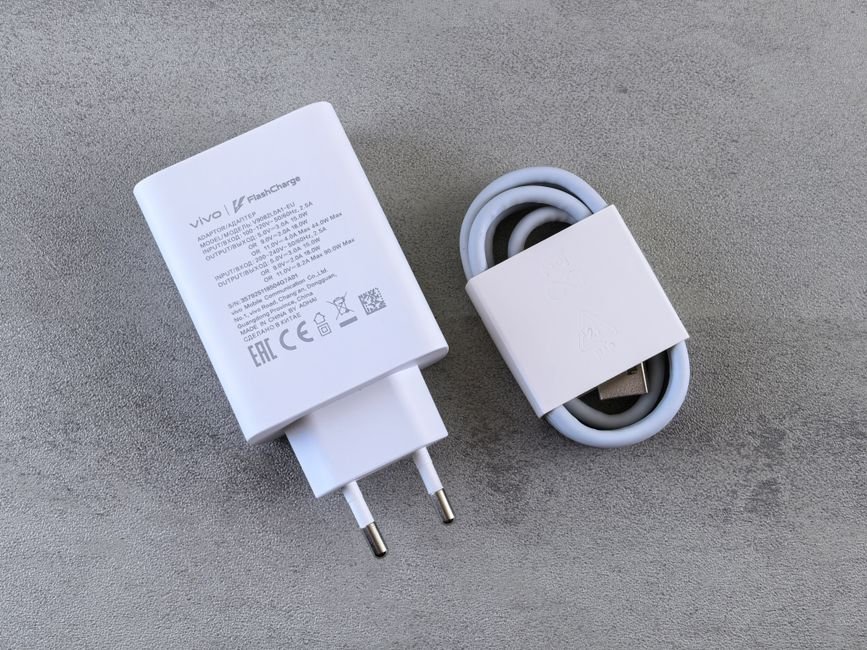
Fast Charger: The Ultimate Guide to Speeding Up Your Device
In today’s hyper-connected world, a dead battery is more than an inconvenience; it’s a digital roadblock. The relentless demand for constant connectivity, from streaming media and navigating traffic to managing work and social lives, has made battery life a critical concern. Fortunately, the advent of fast charging technology has revolutionized how we power our devices, transforming hours of waiting into mere minutes. This comprehensive guide delves into the intricate world of fast chargers, equipping you with the knowledge to harness their power and keep your devices running at peak performance.
Understanding the Core Principles of Fast Charging
At its heart, fast charging is about delivering more electrical power to your device’s battery in a shorter period. Power is the product of voltage and current ($P = V times I$). Traditional chargers typically operate at lower voltages (around 5V) and limited current, resulting in slower charging speeds. Fast charging technologies achieve their rapid pace by intelligently increasing either the voltage, the current, or both, while meticulously managing heat and battery health.
Key Technologies Powering the Speed Revolution
Several proprietary and standardized fast charging protocols have emerged, each with its unique approach to maximizing charging efficiency. Understanding these technologies is crucial for selecting the right charger and ensuring compatibility with your device.
-
Qualcomm Quick Charge (QC): One of the earliest and most widely adopted fast charging standards, Qualcomm Quick Charge has gone through numerous iterations (QC 1.0, 2.0, 3.0, 4+, 5). Later versions, like QC 4+ and QC 5, support USB Power Delivery (USB PD) and offer significantly higher power outputs, reaching up to 100W for QC 5. QC technology dynamically adjusts voltage and current based on the device’s battery status and temperature, preventing overheating and optimizing charging speed.
-
USB Power Delivery (USB PD): A universal standard developed by the USB Implementers Forum, USB PD is designed to be compatible across a wide range of devices, from smartphones and tablets to laptops and even larger appliances. USB PD operates on a negotiation protocol, allowing the charger and the device to communicate and agree on the optimal power profile. This flexibility enables it to deliver variable voltages and currents, ranging from 5V to 20V and up to 5A, resulting in power delivery of up to 100W (and potentially higher with future revisions). USB PD is increasingly becoming the de facto standard for modern devices.
-
Samsung Adaptive Fast Charging (AFC) and Super Fast Charging: Samsung’s proprietary technologies, AFC, is similar in principle to Qualcomm’s Quick Charge, offering enhanced charging speeds for compatible Samsung devices. Their newer “Super Fast Charging” technology, often seen in flagship Galaxy phones, leverages USB PD with specific power profiles (e.g., 25W, 45W) for rapid replenishment.
-
OnePlus Warp Charge / VOOC (Oppo): Developed by Oppo and adopted by OnePlus, VOOC (Voltage Open Loop Multi-step Constant-Current Charging) and its subsequent iterations (Dash Charge, Warp Charge) focus on delivering high current at a relatively stable voltage. This approach minimizes heat generation at the device’s charging port and allows for exceptionally fast charging speeds. Warp Charge can deliver up to 65W or even 80W in some models.
-
MediaTek Pump Express: Another prominent chipset manufacturer, MediaTek offers its own fast charging technology, Pump Express. Similar to other standards, it dynamically adjusts voltage and current to expedite charging.
The Role of the Charger and Cable
It’s a common misconception that only the device dictates charging speed. In reality, the charger (power adapter) and the charging cable play equally crucial roles.
-
The Power Adapter (Charger): The charger is the brain of the operation. It houses the circuitry that converts wall power to the appropriate voltage and current for your device. To achieve fast charging, you need a charger that explicitly supports one of the aforementioned fast charging protocols and can deliver the required wattage. Look for chargers with clear markings indicating their supported standards (e.g., “Supports QC 4+, USB PD 65W”).
-
The Charging Cable: Not all USB cables are created equal. Standard USB-A to USB-C cables, for instance, may not be rated to handle the high currents required for fast charging. For optimal performance and safety, use cables that are specifically designed for fast charging. These cables often feature thicker wires, reinforced shielding, and certifications (like USB-IF certification for USB PD cables) to ensure they can safely transmit the necessary power. Using an under-specced cable can bottleneck charging speed or, worse, pose a safety hazard.
Wattage: The Measure of Charging Power
Wattage (W) is the ultimate indicator of a charger’s charging speed potential. It’s calculated by multiplying voltage (V) by current (A): $W = V times A$. A higher wattage generally translates to faster charging.
- 5W: Standard charging (e.g., 5V/1A).
- 10-18W: Common for older fast charging standards and basic fast charging on many devices.
- 25-45W: Typical for mid-range to high-end smartphones and tablets.
- 65W-100W+: Found in chargers for laptops, high-performance smartphones, and multi-device charging solutions.
Compatibility: The Key to Unlocking Speed
The most critical aspect of fast charging is compatibility. Your device and your charger must speak the same charging language.
-
Device Support: Your smartphone, tablet, or other portable device must be designed to accept faster charging speeds. A device not equipped for fast charging will simply charge at its maximum native speed, regardless of the charger’s capabilities.
-
Charger Support: The charger must support the fast charging protocol that your device uses. For example, a charger supporting only Samsung AFC will not fast charge an iPhone that relies on USB PD.
-
Protocol Negotiation: Modern fast charging protocols, especially USB PD, involve a negotiation process. The charger and device communicate to determine the safest and fastest charging profile. This ensures that a powerful charger doesn’t overwhelm a less capable device.
Beyond Speed: Factors to Consider
While speed is the primary allure, several other factors are vital for a positive fast charging experience.
-
Safety Features: Reputable fast chargers incorporate multiple safety mechanisms to protect your device and the charger itself. These include over-voltage protection, over-current protection, short-circuit protection, and temperature control. Always opt for chargers from trusted brands with safety certifications.
-
Heat Management: Fast charging inherently generates more heat. High-quality chargers and devices have sophisticated thermal management systems to dissipate this heat effectively, preventing damage to the battery and ensuring consistent charging speeds. Overheating can degrade battery health over time.
-
Portability and Design: Consider the size and weight of the charger, especially if you plan to travel with it. GaN (Gallium Nitride) technology has enabled the development of smaller, more efficient, and cooler-running chargers without compromising on power output.
-
Number of Ports: If you need to charge multiple devices simultaneously, look for multi-port chargers. Ensure the charger can intelligently distribute power across its ports to provide the fastest possible charging for each connected device. Some chargers offer a combination of USB-A and USB-C ports, supporting various fast charging standards.
-
Smart Charging Capabilities: Some advanced chargers feature smart charging capabilities that can optimize charging based on your usage patterns, time of day, or battery health. This can help prolong the lifespan of your battery.
Maximizing Your Fast Charging Experience
To get the most out of your fast charger, follow these best practices:
-
Use the Right Charger and Cable: Always pair your device with a charger and cable that explicitly support its fast charging protocol and wattage. Using the charger that came with your device is often the safest bet, but if you’re buying a replacement or an upgrade, ensure compatibility.
-
Keep Devices Cool: Avoid charging your device in direct sunlight or on hot surfaces. If your device feels excessively hot during charging, remove it from the charger and allow it to cool down.
-
Update Device Software: Manufacturers often release software updates that can improve charging efficiency and compatibility with new charging technologies.
-
Understand Charging Stages: Batteries don’t charge linearly. The charging speed is typically fastest when the battery is at a lower percentage (e.g., 0-50%). As the battery fills up, the charging speed gradually slows down to protect the battery from overcharging and damage.
-
Consider Battery Health: While fast charging is convenient, consistently using it may contribute to slight battery degradation over the very long term compared to slower charging. For daily use, the convenience often outweighs this minor concern. If battery longevity is paramount, consider using a slower charger for overnight charging or enabling battery optimization features on your device.
The Future of Fast Charging
The pace of innovation in fast charging is relentless. We can expect even higher wattages, greater efficiency, and broader compatibility in the years to come. Wireless fast charging is also rapidly advancing, offering a cable-free solution for rapid power replenishment. Standards like USB PD are likely to become even more ubiquitous, simplifying the charging landscape. The ultimate goal is to make charging as seamless and as fast as possible, minimizing downtime and keeping our digital lives uninterrupted.