A mixer grinder is an indispensable kitchen appliance, transforming the tedious tasks of grinding spices, pureeing vegetables, and whipping up batters into effortless endeavors. Choosing the right one, however, can feel overwhelming with the sheer variety of models and features available. This comprehensive guide will equip you with the knowledge to make an informed decision, ensuring you select the best mixer grinder to elevate your culinary experience.
Understanding the Core Components and Functionality:
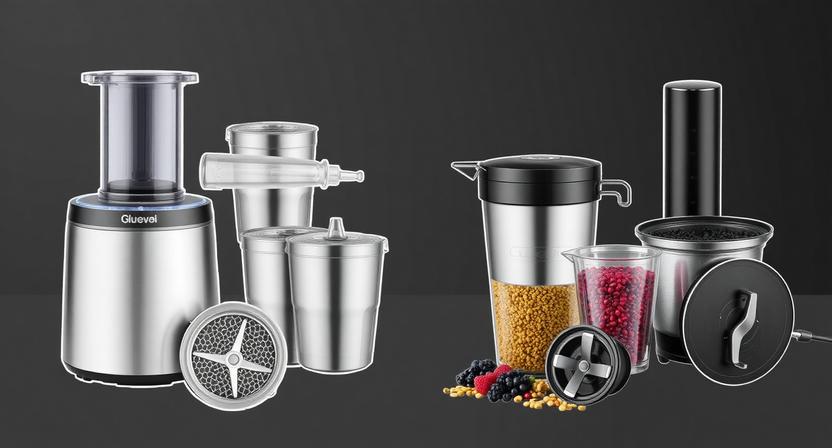
At its heart, a mixer grinder is a powerful motor coupled with interchangeable jars and blades. The motor’s wattage dictates its grinding power and efficiency. Higher wattage generally translates to faster grinding, ability to handle tougher ingredients, and increased durability. The jars, typically made of stainless steel or durable plastic, come in various sizes and are designed for specific tasks. Blades, the workhorses of the appliance, are crafted from high-grade stainless steel and come in different shapes and sharpness to tackle everything from fine spice powders to coarse chutneys and smooth purees.
Key Factors to Consider When Buying a Mixer Grinder:
1. Motor Power (Wattage): This is arguably the most critical factor.
- 500-750 Watts: Suitable for light grinding tasks like making chutneys, pureeing soft ingredients, and mixing batters for cakes and pancakes. Ideal for bachelors, small families, or those with limited kitchen needs.
- 750-1000 Watts: A good all-rounder, capable of handling most everyday kitchen tasks, including grinding masalas, making idli/dosa batter, and pureeing harder vegetables. This is the sweet spot for most Indian households.
- 1000+ Watts: Designed for heavy-duty grinding, such as crushing ice, grinding tough spices like turmeric and black pepper in large quantities, and preparing dough. Recommended for large families, professional kitchens, or avid cooks who frequently process hard ingredients.
2. Jar Capacity and Material: Mixer grinders typically come with 2-4 jars. Consider the typical quantities you prepare.
- Liquidizing Jar (1.5-2 Liters): For making juices, smoothies, and purees.
- Grinding Jar (0.5-1 Liter): For grinding spices, masalas, and chutneys.
- Chutney Jar (0.2-0.5 Liters): A smaller jar specifically designed for making thick, coarse chutneys.
- Material: Stainless steel jars are preferred for their durability, hygiene, and resistance to staining and odor retention. Some models offer plastic jars, which are lighter and less prone to breakage but can scratch and retain odors over time. Ensure the jars are made of food-grade material.
3. Blade Quality and Design: The blades are crucial for effective grinding and mixing.
- Material: High-grade stainless steel (e.g., SS304) ensures sharpness, durability, and rust resistance.
- Design: Different blade designs cater to specific functions. Look for multi-purpose blades for general grinding, flat blades for whipping and mixing, and specialized blades for tough grinding. Some brands offer detachable blades for easier cleaning.
4. Speed Control and Settings:
- Variable Speed Control: Allows you to adjust the grinding speed according to the ingredient and desired consistency. This is particularly useful for achieving different textures, from fine powders to coarse mashes.
- Pulse Function: Offers short bursts of power, ideal for controlling the coarseness of your grind and preventing over-processing.
5. Build Quality and Durability:
- Motor Housing: Look for sturdy ABS plastic or stainless steel construction that can withstand the vibrations of the motor.
- Coupling: The coupling that connects the jar to the motor should be made of durable material like metal or heavy-duty plastic to prevent wear and tear.
- Overload Protection: A crucial safety feature that automatically shuts off the motor if it overheats, preventing damage to the appliance.
6. Safety Features:
- Overload Protection: As mentioned above, this is paramount.
- Jar Locking Mechanism: Ensures the jar is securely locked in place before the motor can start, preventing accidents.
- Sturdy Base with Anti-Skid Feet: Prevents the mixer grinder from moving or vibrating excessively during operation.
7. Ease of Cleaning and Maintenance:
- Detachable Blades: Make cleaning significantly easier.
- Wide Jar Openings: Allow for easy access for cleaning.
- Wipeable Motor Housing: Simplifies cleaning the exterior.
- Dishwasher-Safe Jars and Blades (if applicable): A convenient feature for busy households.
8. Brand Reputation and Warranty:
- Reputable Brands: Opt for well-known brands that have a track record of producing reliable kitchen appliances. This often translates to better build quality, after-sales service, and readily available spare parts.
- Warranty: A longer warranty period (typically 2-5 years for the motor) indicates the manufacturer’s confidence in their product’s durability.
Top Mixer Grinder Features and Technologies to Look For:
- Wider Mouth Jars: For easier loading and unloading of ingredients.
- Ergonomic Jar Handles: For a comfortable and secure grip.
- Durable Gaskets: To prevent leaks during operation.
- Cord Winder: For neat storage of the power cord.
- Multi-Functional Blades: Designed for versatility.
- Shock-Proof Body: For enhanced safety.
- Silent Operation (or reduced noise): While not always a primary concern, some brands focus on minimizing noise levels.
Popular Mixer Grinder Brands and Their Strengths:
- Preethi: Known for its robust motors, durable build, and excellent grinding performance. Their models are a popular choice in Indian households.
- Sujata: A trusted brand synonymous with reliability and longevity. Sujata mixer grinders are built to last and offer consistent performance.
- Philips: Offers a wide range of mixer grinders with innovative features, stylish designs, and good performance. They often focus on user-friendly interfaces.
- Bajaj: A popular and affordable brand that provides good value for money. Bajaj mixer grinders are known for their decent performance and durability.
- Havells: Offers stylish and feature-rich mixer grinders with powerful motors and good build quality. They often incorporate modern design elements.
- Bosch: Known for its German engineering, Bosch mixer grinders offer superior build quality, powerful performance, and advanced safety features.
Tips for Using and Maintaining Your Mixer Grinder:
- Read the Manual: Always familiarize yourself with the manufacturer’s instructions before the first use.
- Don’t Overload: Avoid filling the jars beyond their recommended capacity to prevent motor strain.
- Add Liquid for Grinding: For dry grinding, adding a tablespoon of water can help achieve a finer texture and prevent the motor from overheating.
- Run in Short Bursts: For tough grinding, run the motor in short bursts with intervals to allow it to cool down.
- Clean Immediately: Clean the jars and blades immediately after use to prevent food particles from drying and becoming difficult to remove.
- Dry Thoroughly: Ensure all parts are completely dry before reassembling to prevent rust.
- Store Properly: Store the mixer grinder in a dry and well-ventilated area.
- Check for Wear and Tear: Periodically inspect the blades, gaskets, and coupling for any signs of damage.
Troubleshooting Common Mixer Grinder Issues:
- Motor Not Starting: Check if the power cord is properly plugged in, the jar is correctly locked, and the overload protector hasn’t tripped.
- Sparks from Motor: This could indicate a worn-out brush or a motor issue. Contact customer service.
- Unusual Noise: Ensure the blades are correctly fitted and the jar is not overloaded.
- Leaking from Jar: Check the gasket for damage or ensure the lid is tightly secured.
By carefully considering these factors and understanding the features that matter most for your culinary needs, you can confidently select a mixer grinder that will become a reliable and valued companion in your kitchen for years to come.
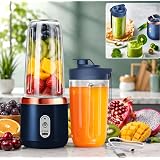
Portable Electric Blender Juicer l USB Rechargeable 6 Blades With 1800 Mah Rechargeable Battery l For Smoothies,Shakes,Juices,Lassi l For Home, Office, Gym & Outdoor Use l BPA Free-Multicolour
₹449.00 (as of September 24, 2026 10:05 GMT +05:30 - More infoProduct prices and availability are accurate as of the date/time indicated and are subject to change. Any price and availability information displayed on [relevant Amazon Site(s), as applicable] at the time of purchase will apply to the purchase of this product.)
iBELL Nutri Blender 600W Mixer Grinder & Juicer with 3 Multipurpose Jars, 2 Year Warranty, High-Speed Motor, 3 Speed Modes for Smoothies, Juices (Silver)
₹2,099.00 (as of September 24, 2026 10:05 GMT +05:30 - More infoProduct prices and availability are accurate as of the date/time indicated and are subject to change. Any price and availability information displayed on [relevant Amazon Site(s), as applicable] at the time of purchase will apply to the purchase of this product.)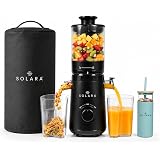
SOLARA Cold Press Juicer Combo – Slow Masticating Juicer Machine + Glass Tumbler + Juicer Cover Bag | High Juice Yield | Nutrient Retention | Easy to Clean | Ideal for Fruits & Vegetables
₹8,999.00 (as of September 24, 2026 10:05 GMT +05:30 - More infoProduct prices and availability are accurate as of the date/time indicated and are subject to change. Any price and availability information displayed on [relevant Amazon Site(s), as applicable] at the time of purchase will apply to the purchase of this product.)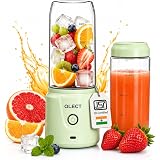
QLECT 70W Portable Blender & Juicer | 2400mAh Rechargeable USB Mini Mixer for Smoothies, Shakes, Gym Protein Shaker, Fruit Juices & Baby Food | 420ml x 2 Jars | Made In india ISI Certified (Green)
₹998.00 (as of September 24, 2026 10:05 GMT +05:30 - More infoProduct prices and availability are accurate as of the date/time indicated and are subject to change. Any price and availability information displayed on [relevant Amazon Site(s), as applicable] at the time of purchase will apply to the purchase of this product.)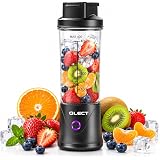
QLECT Portable Juicer Blender 400ML, 22 Stainless Steel Blades, 3000mAh Battery, 7.4V Motor, USB Type-C Rechargeable Smoothie Maker for Fruits, Protein Shakes & Travel(Black)
₹998.00 (as of September 24, 2026 10:05 GMT +05:30 - More infoProduct prices and availability are accurate as of the date/time indicated and are subject to change. Any price and availability information displayed on [relevant Amazon Site(s), as applicable] at the time of purchase will apply to the purchase of this product.)
Portable USB Rechargeable JuIcEr Blender, Smoothie & Shake Maker, Fresh Fruit Vegetable Mixer, Perfect for Travel, Gym & Picnic UsE (Multicolour) (S4)
Now retrieving the price.
(as of September 24, 2026 10:05 GMT +05:30 - More infoProduct prices and availability are accurate as of the date/time indicated and are subject to change. Any price and availability information displayed on [relevant Amazon Site(s), as applicable] at the time of purchase will apply to the purchase of this product.)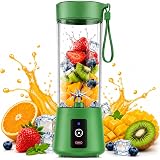
6 Blade Juicer Mixer Grinder Mini, Portable Blender for Smoothies & Juices, Smoothie Maker, Milkshake Blenders, Portable Juice Maker Bottle, USB Rechargeable Bottle Juicer Blender
₹649.00 (as of September 24, 2026 10:05 GMT +05:30 - More infoProduct prices and availability are accurate as of the date/time indicated and are subject to change. Any price and availability information displayed on [relevant Amazon Site(s), as applicable] at the time of purchase will apply to the purchase of this product.)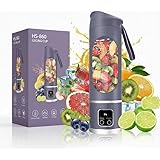
Portable Personal Blender Bottle – USB Rechargeable Smoothie Maker with Travel Lid, Powerful Mini Juicer for Fruits & Vegetables, BPA-Free, Easy Clean 1300 Mah Rechargeable Battery P1
₹789.00 (as of September 24, 2026 10:05 GMT +05:30 - More infoProduct prices and availability are accurate as of the date/time indicated and are subject to change. Any price and availability information displayed on [relevant Amazon Site(s), as applicable] at the time of purchase will apply to the purchase of this product.)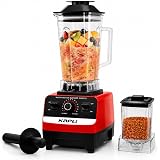
KAPLI Powerful Blender Grinder and smoothie maker, 2 Big Jar 3000 & 600 ML 800 W Mixer Blender | 2 Jars | Black)
₹2,699.00 (as of September 24, 2026 10:05 GMT +05:30 - More infoProduct prices and availability are accurate as of the date/time indicated and are subject to change. Any price and availability information displayed on [relevant Amazon Site(s), as applicable] at the time of purchase will apply to the purchase of this product.)
Rechargeable USB Juicer Blender, Portable Smoothie Maker for Fruit & Vegetable Mixing, Fast Energy Drinks & Protein Shakes, Ideal for Camping, Office & Home Use (Multicolour) (S2)
₹399.00 (as of September 24, 2026 10:05 GMT +05:30 - More infoProduct prices and availability are accurate as of the date/time indicated and are subject to change. Any price and availability information displayed on [relevant Amazon Site(s), as applicable] at the time of purchase will apply to the purchase of this product.)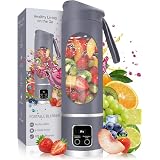
10 Blade Usb-JuicerBottle Portable Usb Juicer Electric Usb Juice Maker Mixer Bottle Blender Grinder Mixer,10 Blades Rechargeable Bottle, Shake Fruit & Vegetable, Juice Blender,Grinder (Purple)
Now retrieving the price.
(as of September 24, 2026 10:05 GMT +05:30 - More infoProduct prices and availability are accurate as of the date/time indicated and are subject to change. Any price and availability information displayed on [relevant Amazon Site(s), as applicable] at the time of purchase will apply to the purchase of this product.)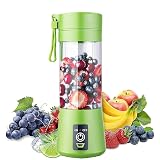
Portable 6-Blade Juicer Blender with Built-In Jar, Juice Mixer Bottle, Fruit Juice Machine, USB Rechargeable Personal Size Juicer Grinder for Juices (MultiColor) (S9)
₹399.00 (as of September 24, 2026 10:05 GMT +05:30 - More infoProduct prices and availability are accurate as of the date/time indicated and are subject to change. Any price and availability information displayed on [relevant Amazon Site(s), as applicable] at the time of purchase will apply to the purchase of this product.)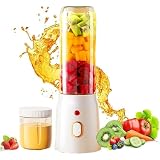
NOJTI Mini Juicer Mixer Grinder, 6-Blade with 1500mAh Battery High-Speed Fruit Juicer for Home, Office, Gym & Travel, 6-Blade High-Speed Fruit Juicer for Home, Office, Gym & Travel-White4
₹889.00 (as of September 24, 2026 10:05 GMT +05:30 - More infoProduct prices and availability are accurate as of the date/time indicated and are subject to change. Any price and availability information displayed on [relevant Amazon Site(s), as applicable] at the time of purchase will apply to the purchase of this product.)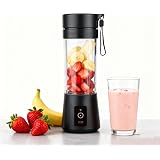
Portable Blender for Smoothies & Protein Shakes, USB Rechargeable Juicer Cup, 6-Blade Electric Fruit Mixer, Mini Travel for Juice, Milkshakes & Baby Food, Multicolour (Portable Blender)
₹474.00 (as of September 24, 2026 10:05 GMT +05:30 - More infoProduct prices and availability are accurate as of the date/time indicated and are subject to change. Any price and availability information displayed on [relevant Amazon Site(s), as applicable] at the time of purchase will apply to the purchase of this product.)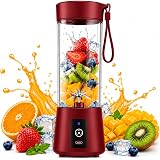
Xapiaxa Portable Blender 6-Blade USB Rechargeable Smoothie & Shake Maker, Personal Juicer Cup, BPA-Free Travel Mixer for Home, Gym & Outdoor - Multi-1
₹379.00 (as of September 24, 2026 10:05 GMT +05:30 - More infoProduct prices and availability are accurate as of the date/time indicated and are subject to change. Any price and availability information displayed on [relevant Amazon Site(s), as applicable] at the time of purchase will apply to the purchase of this product.)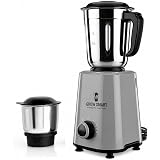
Growsmart Powerful 750 W SmartBlend X Juicer Mixer Grinder For Kitchen 2 Jars (2 Stainless Steel) Mixie For Mixing, Grinding, Juicing 4 Years Warranty (Grey)
₹1,499.00 (as of September 24, 2026 10:05 GMT +05:30 - More infoProduct prices and availability are accurate as of the date/time indicated and are subject to change. Any price and availability information displayed on [relevant Amazon Site(s), as applicable] at the time of purchase will apply to the purchase of this product.)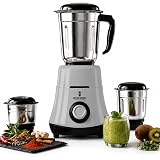
HydroGrind Powerful 750 W Juicer Mixer Grinder For Kitchen 3 Jars (3 Stainless Steel) Mixie For Mixing, Grinding, Juicing 4 Years Warranty (Grey & Black)
₹1,599.00 (as of September 24, 2026 10:05 GMT +05:30 - More infoProduct prices and availability are accurate as of the date/time indicated and are subject to change. Any price and availability information displayed on [relevant Amazon Site(s), as applicable] at the time of purchase will apply to the purchase of this product.)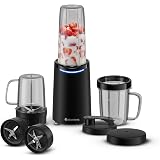
Atomberg New Launch Zephyr 3J Nutri Blender | Mixer-Grinder-Smoothie Maker | 3 Blending Modes | 1200W Peak Power | One Of The Safest Nutri Blenders* | 2 Blade Sets | 2 Yrs Warranty (Midnight Black)
₹3,999.00 (as of September 24, 2026 10:05 GMT +05:30 - More infoProduct prices and availability are accurate as of the date/time indicated and are subject to change. Any price and availability information displayed on [relevant Amazon Site(s), as applicable] at the time of purchase will apply to the purchase of this product.)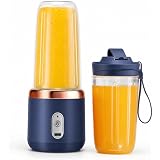
Portable Juicer Blender Makes Smoothies and Fresh Juices Easy with a Mini Mixer Design and On/Off Safety Sensor for Daily Use (Dark Blue) blackolive
₹692.00 (as of September 24, 2026 10:05 GMT +05:30 - More infoProduct prices and availability are accurate as of the date/time indicated and are subject to change. Any price and availability information displayed on [relevant Amazon Site(s), as applicable] at the time of purchase will apply to the purchase of this product.)