
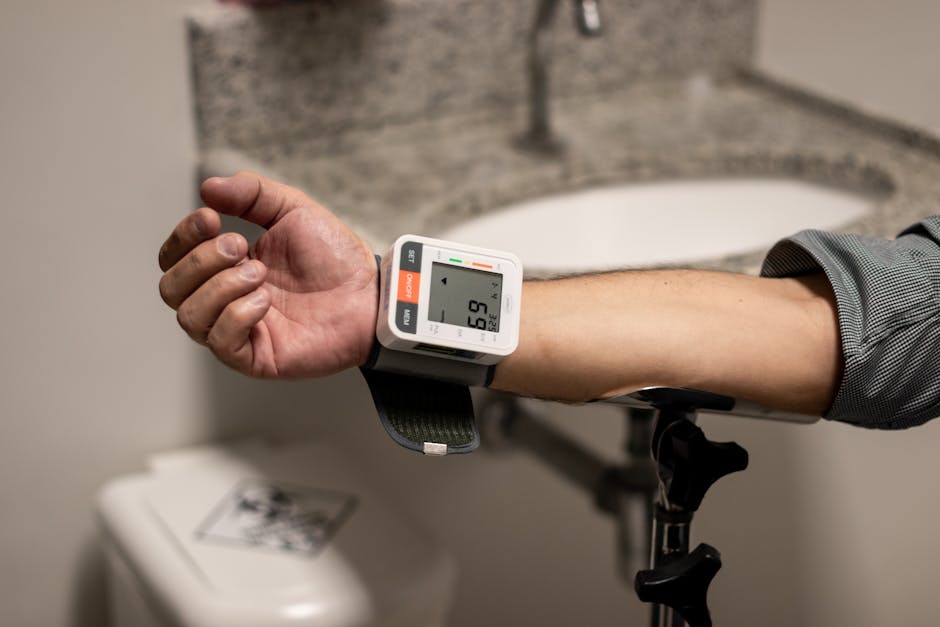
Unveiling the Top Smartwatches for Accurate Blood Pressure Monitoring
The pursuit of proactive health management has never been more accessible, thanks to the burgeoning field of wearable technology. Among the most sought-after features in modern smartwatches is the ability to monitor blood pressure directly from the wrist. This advanced functionality empowers users to track their cardiovascular health with unprecedented convenience, offering valuable insights and early detection of potential issues. However, navigating the market for the best smartwatches with blood pressure monitoring can be a daunting task, given the rapid evolution of technology and the varying degrees of accuracy and features offered. This in-depth guide aims to demystify the selection process, highlighting the top contenders that deliver reliable blood pressure readings alongside a suite of other smart functionalities.
Understanding the Technology: How Smartwatches Measure Blood Pressure
Before delving into specific models, it’s crucial to understand the underlying technology. Most smartwatches that offer blood pressure monitoring utilize an approach known as cuffless oscillometric measurement. This method typically involves inflating a small, internal cuff within the watch strap against the wrist. As the cuff deflates, sensors detect the subtle pulsations of blood flow through the arteries. Algorithms then analyze these pulsations to estimate systolic and diastolic blood pressure values.
It’s important to note that while this technology has made significant strides, it’s not a direct replacement for medical-grade blood pressure cuffs. Regular calibration with a traditional cuff is often recommended to ensure the highest level of accuracy. Furthermore, factors like wrist position, movement during measurement, and skin temperature can influence readings. Reputable manufacturers invest heavily in research and development to refine these algorithms and minimize external variables.
Key Features to Consider When Choosing a Blood Pressure Smartwatch:
Beyond the core blood pressure monitoring capability, several other factors contribute to a smartwatch’s overall value and user experience:
- Accuracy and Calibration: This is paramount. Look for devices that have undergone clinical validation or have received regulatory approval (e.g., FDA clearance in the US, CE marking in Europe) for their blood pressure monitoring. The ease and frequency of recalibration are also important.
- Continuous vs. On-Demand Monitoring: Some watches offer continuous background monitoring, providing a more comprehensive picture of blood pressure fluctuations throughout the day and night. Others require manual initiation for each reading.
- Data Visualization and Trends: The ability to view historical data, track trends over time, and identify patterns is essential for understanding your cardiovascular health. Well-designed companion apps are crucial for this.
- Additional Health Metrics: Beyond blood pressure, consider smartwatches that offer comprehensive health tracking, including heart rate, ECG, SpO2 (blood oxygen), sleep tracking, stress monitoring, and activity tracking.
- Smartwatch Functionality: Don’t forget the core smartwatch features: notifications, app integration, GPS, mobile payments, music control, and battery life. The best devices seamlessly integrate health monitoring with everyday utility.
- Comfort and Design: A smartwatch is a wearable device, so comfort, style, and durability are important considerations for daily wear.
- Companion App: The accompanying smartphone application is your gateway to your health data. It should be intuitive, provide clear insights, and allow for data export.
The Leading Smartwatches for Blood Pressure Monitoring:
While the landscape is constantly evolving, several brands have emerged as pioneers in offering reliable and feature-rich smartwatches with blood pressure monitoring.
1. Samsung Galaxy Watch Series (e.g., Galaxy Watch 5 Pro, Galaxy Watch 6 Series):
Samsung has been at the forefront of integrating advanced health sensors into its smartwatches, and blood pressure monitoring is a prime example. The Galaxy Watch series, particularly its recent iterations, offers a sophisticated blood pressure tracking system.
- Technology: Utilizes photoplethysmography (PPG) sensors combined with electrocardiogram (ECG) data to estimate blood pressure.
- Accuracy: Requires regular calibration with a traditional cuff, typically every few weeks, to maintain accuracy. Samsung emphasizes the importance of this calibration process within its app.
- Features: Beyond blood pressure, these watches offer comprehensive ECG capabilities, irregular heart rhythm notifications, body composition analysis, sleep tracking, stress monitoring, and a wide array of fitness tracking options. The integration with the Samsung Health ecosystem is robust, providing detailed insights and historical data.
- User Experience: The user interface is intuitive, and the companion Samsung Health app is well-designed, offering clear charts and trends. The watches themselves boast premium build quality and a wide range of customization options.
- Considerations: Blood pressure monitoring on Galaxy Watches is region-specific and may require a Samsung smartphone for full functionality.
2. Omron HeartGuide:
Omron is a brand synonymous with reliable blood pressure monitoring devices for the home. Their foray into the smartwatch market, the HeartGuide, prioritizes this core functionality with medical-grade precision.
- Technology: Employs a miniaturized, inflatable cuff within the watch strap, mimicking the process of a traditional blood pressure monitor. This offers a more direct measurement compared to PPG-based methods.
- Accuracy: Designed for clinical accuracy, the HeartGuide aims to provide readings comparable to a standard upper-arm cuff. It does not require frequent external calibration in the same way as PPG-based systems.
- Features: While its primary focus is blood pressure, the HeartGuide also tracks heart rate, activity levels, and sleep patterns. It syncs data to the Omron connect app for detailed analysis.
- User Experience: The interface is straightforward, focusing on delivering accurate health metrics. The design is more utilitarian than some other smartwatches, reflecting its emphasis on medical functionality.
- Considerations: The HeartGuide may have fewer “smartwatch” features compared to competitors, such as extensive app support or advanced notification management. Its primary strength lies in its dedicated blood pressure monitoring.
3. Huawei Watch Series (e.g., Huawei Watch D, Huawei Watch GT 4):
Huawei has also made significant strides in bringing advanced health monitoring, including blood pressure, to its smartwatch lineup. The Huawei Watch D, in particular, was designed with this functionality as a central pillar.
- Technology: The Huawei Watch D features a unique micro pump and airbag system within the strap to perform blood pressure measurements. Newer models like the GT 4 are exploring advanced PPG sensor technologies for estimation.
- Accuracy: The Watch D’s cuff-based system aims for high accuracy, and Huawei provides detailed calibration instructions.
- Features: In addition to blood pressure, these watches typically offer ECG, SpO2 monitoring, comprehensive sleep and stress tracking, and a robust suite of fitness modes. Huawei’s Health app provides detailed data analysis and trend reporting.
- User Experience: Huawei’s smartwatches are known for their sleek designs, vibrant displays, and user-friendly interfaces. The Health app is comprehensive and offers personalized health insights.
- Considerations: Availability and specific features can vary by region. Like Samsung, regulatory approval for blood pressure monitoring is crucial and can differ geographically.
4. Amazfit Smartwatches (e.g., Amazfit GTR/GTS series with blood pressure features):
Amazfit has been a strong contender in the affordable smartwatch market, increasingly incorporating advanced health features like blood pressure monitoring into their devices.
- Technology: Primarily relies on PPG sensors for estimating blood pressure.
- Accuracy: While generally good for a PPG-based system, it’s essential to calibrate regularly with a traditional cuff to ensure the best possible accuracy.
- Features: Amazfit watches often offer a wide array of health and fitness tracking, including heart rate, SpO2, sleep tracking, stress monitoring, and numerous sports modes. Their Zepp app is feature-rich for data analysis.
- User Experience: Amazfit devices strike a good balance between functionality, design, and affordability. The Zepp app is generally well-regarded for its comprehensive data presentation.
- Considerations: The accuracy of blood pressure monitoring on more budget-friendly models may not match that of premium devices. It’s crucial to check specific model specifications and user reviews.
The Future of Blood Pressure Monitoring in Smartwatches:
The technology for cuffless blood pressure monitoring is still evolving. Researchers are continuously working on improving the accuracy and reliability of PPG-based systems, exploring new sensor technologies, and developing more sophisticated algorithms. We can anticipate:
- Increased Accuracy: Future generations of smartwatches will likely offer even more precise blood pressure readings, potentially reducing the need for frequent manual calibration.
- Continuous Monitoring: The trend towards continuous, real-time blood pressure monitoring will likely become more prevalent, providing a more dynamic view of cardiovascular health.
- Integration with AI: Artificial intelligence will play a greater role in analyzing blood pressure data, identifying potential risks, and providing personalized health recommendations.
- Broader Regulatory Approvals: As the technology matures, we can expect to see more smartwatches receiving widespread regulatory approval for their blood pressure monitoring capabilities.
Making the Right Choice for Your Health:
When selecting a smartwatch for blood pressure monitoring, prioritize your individual needs and health goals. If medical-grade accuracy is your absolute priority, devices like the Omron HeartGuide might be the best fit. For a comprehensive health and smartwatch experience with reliable blood pressure tracking (after calibration), the Samsung Galaxy Watch series and Huawei’s offerings are excellent choices. Amazfit provides a more budget-friendly entry point into this technology.
Always remember to:
- Consult Your Doctor: Smartwatch blood pressure readings are supplementary tools. Discuss your readings and any concerns with your healthcare provider.
- Calibrate Regularly: Follow the manufacturer’s instructions for regular