
The Ultimate Guide to Smartwatches with Blood Pressure Features
The convergence of wearable technology and health monitoring has ushered in a new era of personal wellness, with smartwatches leading the charge. Among their rapidly expanding array of capabilities, the integration of blood pressure (BP) monitoring stands out as a particularly significant advancement. For individuals seeking a convenient and accessible way to track this vital health metric, smartwatches with blood pressure features offer a compelling solution. This comprehensive guide delves into the intricacies of these devices, empowering you to make an informed decision and leverage their potential for a healthier life.
Understanding Blood Pressure Monitoring on Smartwatches
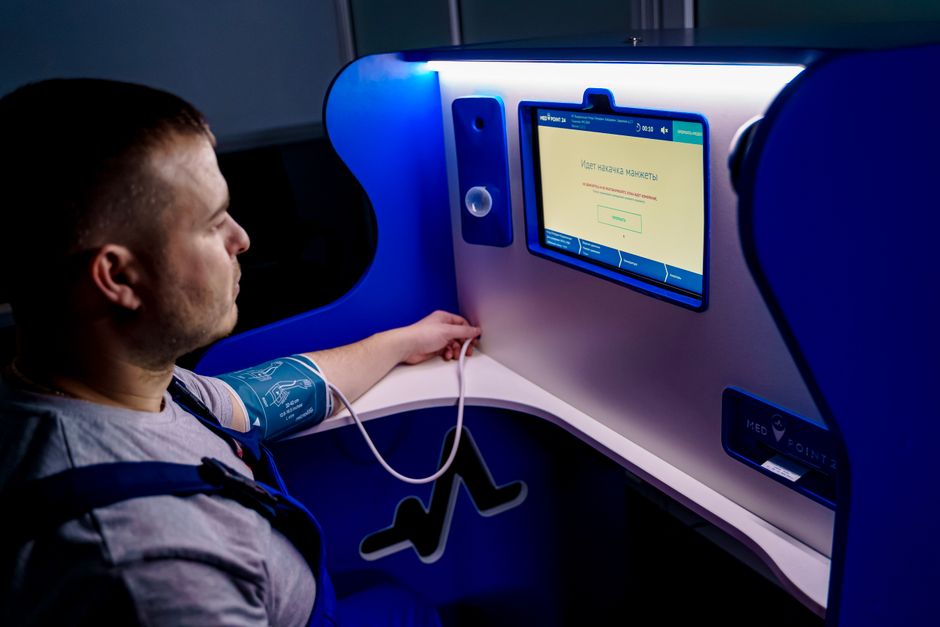
Traditional blood pressure measurement relies on an inflatable cuff that encircles the arm. Smartwatches, however, employ different methodologies, primarily leveraging photoplethysmography (PPG) sensors and electrocardiogram (ECG) capabilities. PPG sensors, often used for heart rate tracking, emit light into the skin and measure the absorption and reflection of this light. As blood flows through the arteries, the volume changes, affecting the light signals. Algorithms then analyze these fluctuations to estimate systolic and diastolic blood pressure.
Some advanced models also incorporate oscillometric methods, mimicking the traditional cuff-based approach with miniaturized internal mechanisms. These often require periodic calibration against a standard cuff for accuracy. It’s crucial to understand that while these technologies are rapidly evolving, most smartwatch BP readings are considered estimations and are not a substitute for professional medical diagnosis or treatment. They serve as excellent tools for trend monitoring, early detection of anomalies, and facilitating conversations with healthcare providers.
Key Features to Look For in a Blood Pressure Smartwatch
When selecting a smartwatch with BP monitoring, consider the following critical features:
- Accuracy and Validation: This is paramount. Look for devices that have undergone rigorous testing and, ideally, have received regulatory clearance (e.g., FDA, CE) for their BP measurement capabilities. Research user reviews and independent studies to gauge real-world accuracy.
- Measurement Frequency and Automation: Some watches allow for manual BP readings on demand, while others offer automatic, scheduled measurements throughout the day and night. Continuous monitoring can provide a more comprehensive picture of your BP patterns.
- Calibration Requirements: Understand if the device requires periodic calibration with a traditional cuff. Consistent calibration is essential for maintaining accuracy.
- Data Storage and Analysis: The smartwatch should seamlessly sync with a companion app that stores your BP readings, displays historical trends, and offers insightful analysis. Look for visualizations like graphs and charts that highlight fluctuations and potential issues.
- Alerts and Notifications: The ability to set custom alerts for high or low BP readings can be a lifesaver, prompting timely action or medical consultation.
- Other Health Metrics: While BP is the focus, consider smartwatches that also track other vital health indicators like heart rate, SpO2 (blood oxygen saturation), sleep patterns, and activity levels. This holistic approach provides a more complete understanding of your well-being.
- Comfort and Design: A smartwatch is a daily accessory. Ensure it’s comfortable to wear consistently, especially for overnight monitoring, and that its design aligns with your personal style.
- Battery Life: Frequent BP measurements and continuous tracking can impact battery life. Choose a device that offers sufficient battery longevity to meet your needs.
- Water Resistance: If you plan to wear your smartwatch during workouts or in wet conditions, water resistance is an important consideration.
- App Ecosystem and Integration: The companion app should be user-friendly, offer robust data export options, and ideally integrate with other health platforms you use.
Top Smartwatches with Blood Pressure Features (as of recent advancements)
The market for smartwatches with BP monitoring is dynamic, with new models emerging regularly. Here are some notable contenders known for their BP tracking capabilities, keeping in mind that specific features and availability can vary by region:
- Samsung Galaxy Watch Series (e.g., Galaxy Watch 5 Pro, Galaxy Watch 6): Samsung has been a pioneer in this space, particularly in certain markets where its BP monitoring feature has received regulatory approval. It utilizes PPG sensors and requires periodic calibration with a traditional cuff. The integration with Samsung Health provides comprehensive data analysis.
- Omron HeartGuide: This is a unique device that resembles a traditional watch but functions as a clinically validated blood pressure monitor. It uses oscillometric technology and provides accurate readings without the need for a separate cuff. It also offers standard smartwatch functionalities.
- YHE BP Doctor Pro: This smartwatch is designed with a strong emphasis on continuous BP monitoring. It often utilizes a combination of PPG and ECG sensors and may offer more frequent, automated readings.
- Amazfit Smartwatches (e.g., Amazfit GTR series, Amazfit T-Rex series): While not all Amazfit models offer BP monitoring, some of their higher-end devices are incorporating this feature, often relying on PPG technology. Their comprehensive Zepp app provides detailed health insights.
- Huawei Watch Series (e.g., Huawei Watch D): The Huawei Watch D is a notable example that incorporates a mini-inflatable cuff within the strap itself, offering a more direct oscillometric measurement. This approach aims for higher accuracy but can make the watch bulkier.
Important Considerations and Best Practices for Using Smartwatch BP Monitors
To maximize the benefits and ensure the accuracy of your smartwatch’s blood pressure readings, adhere to these best practices:
- Consult Your Doctor: Always discuss your intention to use a smartwatch for BP monitoring with your healthcare provider. They can advise on its suitability for your individual health profile and interpret the data effectively.
- Proper Calibration: If your device requires calibration, perform it regularly as instructed. Inaccurate calibration will lead to inaccurate readings.
- Consistent Measurement Conditions: For reliable comparisons, measure your blood pressure at consistent times of day, under similar conditions (e.g., after resting for a few minutes, in a relaxed state). Avoid measuring immediately after exercise, caffeine consumption, or stressful events.
- Correct Wrist Placement: Ensure the watch is worn snugly but comfortably on your wrist, as per the manufacturer’s instructions. The sensor should be in good contact with your skin.
- Understand the Limitations: Remember that smartwatch BP monitors are not medical-grade diagnostic devices. They are for tracking trends and providing insights, not for self-diagnosis or treatment.
- Don’t Ignore Symptoms: If you experience symptoms of high or low blood pressure (e.g., headaches, dizziness, chest pain, blurred vision), seek immediate medical attention, regardless of your smartwatch readings.
- Data Interpretation: Utilize the companion app’s features to understand your BP trends. Look for patterns, identify factors that might influence your readings, and share this data with your doctor during appointments.
- Software Updates: Keep your smartwatch and its companion app updated to benefit from the latest improvements in algorithms and accuracy.
- Lifestyle Integration: Use the data from your smartwatch to inform healthy lifestyle choices. If you consistently see elevated readings, it can be a powerful motivator to improve diet, exercise, and stress management.
The Future of Smartwatch Blood Pressure Monitoring
The field of wearable BP monitoring is continuously advancing. Researchers are actively developing more accurate and non-invasive technologies. We can anticipate:
- Increased Accuracy and Miniaturization: Future devices will likely offer even greater accuracy, potentially rivaling traditional cuff-based monitors, with even smaller and more discreet sensor technology.
- Continuous, Cuffless Monitoring: The holy grail is truly continuous, cuffless BP monitoring that is both accurate and unobtrusive. Innovations in sensor technology and AI algorithms are bringing this closer to reality.
- AI-Powered Insights and Predictive Analytics: Smartwatches will become more sophisticated in analyzing BP data, identifying subtle patterns, and potentially predicting future cardiovascular events.
- Integration with Telemedicine: Seamless integration with telemedicine platforms will allow for easier sharing of real-time BP data with healthcare providers, facilitating remote patient monitoring and more proactive care.
- Broader Regulatory Approvals: As accuracy and reliability improve, we will likely see more smartwatch BP monitoring features receiving broader regulatory approvals in various global markets.
Conclusion
Smartwatches with blood pressure features represent a significant leap forward in personal health management. By offering convenient, on-demand, and trend-tracking capabilities, they empower individuals to take a more proactive role in understanding and managing their cardiovascular health. While it’s crucial to approach these devices with an understanding of their current limitations and to always consult with healthcare professionals, the ongoing innovation in this space promises an even more powerful and integrated future for wearable health monitoring. Choosing the right device, understanding its features, and employing best practices will unlock the full potential of these intelligent companions on your journey to a healthier life.