
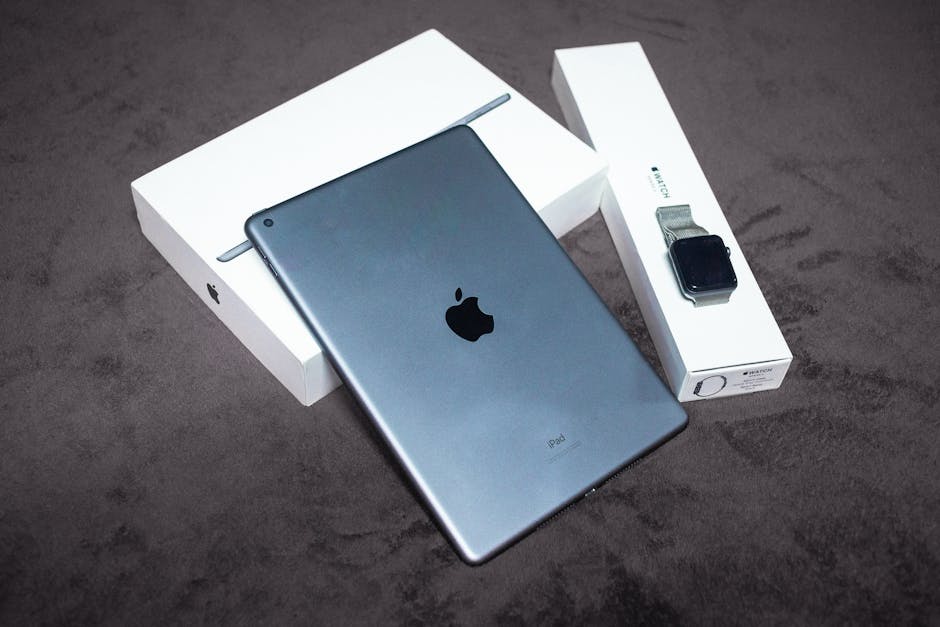
Apple Watch Original Price: Unpacking the Cost of Apple’s First Wearable
The Apple Watch, a device now deeply ingrained in our daily lives, made its grand debut on September 9, 2014, alongside the iPhone 6 and 6 Plus. However, it wasn’t until April 24, 2015, that consumers could actually get their hands on it. This groundbreaking wearable wasn’t just a technological leap; it also represented a significant pricing strategy from Apple, one that offered a tiered approach to cater to a diverse range of budgets and desires. Understanding the original pricing of the Apple Watch is crucial for appreciating its market entry, its evolution, and the enduring value proposition of Apple products.
The Three Tiers: A Strategy of Accessibility and Luxury
Apple, in its signature fashion, didn’t launch a single, monolithic product. Instead, they presented the Apple Watch in three distinct collections, each targeting a different market segment with corresponding price points. This multi-tiered strategy was a deliberate move to broaden the appeal of their nascent wearable technology.
1. Apple Watch Sport: The Entry Point
The most accessible option was the Apple Watch Sport. Positioned as the everyday wearable, it aimed to attract a wider audience, including fitness enthusiasts and those new to the smartwatch concept. The Sport model featured an anodized aluminum case, available in silver or space gray, paired with a durable fluoroelastomer band in various vibrant colors. This combination offered a sporty, casual aesthetic suitable for active lifestyles.
The original price for the Apple Watch Sport started at $349. This price point was competitive for a premium smartwatch at the time, especially considering the Apple ecosystem integration and the brand’s reputation for quality. It was designed to be the gateway into the Apple Watch experience, making the technology more attainable for a larger consumer base. While $349 might seem like a starting figure, it’s important to remember that this was for the 38mm model. The slightly larger 42mm version of the Apple Watch Sport was priced at $399. This size differential, while seemingly minor, was a conscious decision by Apple to cater to different wrist sizes and preferences, adding another layer to their pricing strategy.
2. Apple Watch: The Standard Offering
Sitting in the middle was the standard Apple Watch. This collection offered a more refined and versatile option, bridging the gap between the casual Sport and the opulent Edition. The standard Apple Watch boasted a polished stainless steel case, available in stainless steel or space black. It came with a variety of interchangeable bands, including the Milanese Loop, Leather Loop, Classic Buckle, and Link Bracelet, allowing users to personalize their device to suit different occasions.
The original price for the standard Apple Watch began at $549. This jump in price reflected the premium materials used in its construction. The 38mm stainless steel model with a sport band started at this price. As with the Sport model, the 42mm version commanded a higher price, starting at $599. Further escalating the cost were the more intricate and premium band options. For instance, the Apple Watch with a Milanese Loop band, which offered a sophisticated mesh design, could push the price higher. The Leather Loop and Classic Buckle options also contributed to a price range that extended beyond the base figures, demonstrating Apple’s ability to offer customization that directly impacted the final cost.
3. Apple Watch Edition: The Pinnacle of Luxury
At the very top of the pricing spectrum was the Apple Watch Edition. This collection was designed to be a statement piece, targeting a luxury market segment. The Edition models featured cases crafted from 18-karat yellow or rose gold, meticulously polished to a mirror finish. These were not just smartwatches; they were akin to high-end jewelry, complete with premium leather bands and exquisite buckle designs.
The original price for the Apple Watch Edition was astonishingly high, starting at $10,000. This price was for the 38mm model with a standard buckle. The 42mm versions and those with more elaborate bands, such as the Modern Buckle or the Double Tour, could easily push the price even higher. The most expensive configurations of the Apple Watch Edition were reported to be in the $17,000 range. This bold pricing strategy positioned the Apple Watch Edition not as a consumer electronics device but as a luxury accessory, directly competing with traditional Swiss watchmakers. It was a deliberate move to elevate the perception of the smartwatch category and to appeal to a demographic accustomed to high-end purchases.
Factors Influencing the Original Price
Several key factors contributed to the varying price points of the original Apple Watch:
- Materials: The most significant differentiator was the material of the case. Aluminum for the Sport, stainless steel for the standard model, and 18-karat gold for the Edition created distinct price tiers. The quality and cost of these materials directly translated into the final retail price.
- Size: As with many wearables, Apple offered two case sizes: 38mm and 42mm. The larger size generally came with a premium, reflecting the increased material and manufacturing complexity.
- Band Options: The choice of band also played a crucial role. While basic fluoroelastomer bands were included with the Sport model, the standard and Edition models offered a wider array of premium bands, each with its own associated cost. The intricate designs and high-quality materials of bands like the Milanese Loop or the leather options contributed to higher overall prices.
- Manufacturing Complexity: Producing a device as intricate as the Apple Watch, with its miniature components, sophisticated sensors, and durable construction, involves significant manufacturing costs. The higher-end models, with their more complex materials and finishes, naturally incurred greater production expenses.
- Brand Premium: Apple has always commanded a premium for its brand and the perceived quality and innovation associated with its products. This brand equity was undoubtedly factored into the pricing of the Apple Watch, allowing them to position it at a higher price point than some competitors.
- Target Market: The tiered pricing strategy was a direct reflection of Apple’s intent to capture different market segments. The Sport model aimed for mass adoption, the standard model for the everyday premium user, and the Edition for the ultra-luxury consumer.
The Impact of Original Pricing on the Market
The original pricing of the Apple Watch had a significant impact on the nascent smartwatch market.
- Legitimizing Smartwatches: The high price of the Edition models, in particular, helped to legitimize smartwatches as luxury items, moving them beyond the realm of purely functional gadgets. This elevated the perception of the entire category.
- Setting a Benchmark: The pricing established a benchmark for premium smartwatches, influencing how competitors priced their own offerings.
- Driving Innovation: The success of the Apple Watch, despite its initial price points, spurred further innovation and competition in the wearable technology space.
The original Apple Watch pricing strategy was a masterclass in market segmentation and brand positioning. By offering distinct tiers, Apple managed to cater to a broad spectrum of consumers, from the budget-conscious fitness enthusiast to the discerning luxury buyer. The starting price of $349 for the Apple Watch Sport made the technology accessible, while the $10,000+ price tag for the Apple Watch Edition cemented its status as a high-end luxury item. This multifaceted approach not only ensured a strong market entry but also laid the foundation for the Apple Watch’s enduring success and its evolution into the indispensable wearable device it is today. Understanding these original price points provides valuable insight into Apple’s strategic thinking and the initial perception of the smartwatch as a significant technological and fashion statement.