
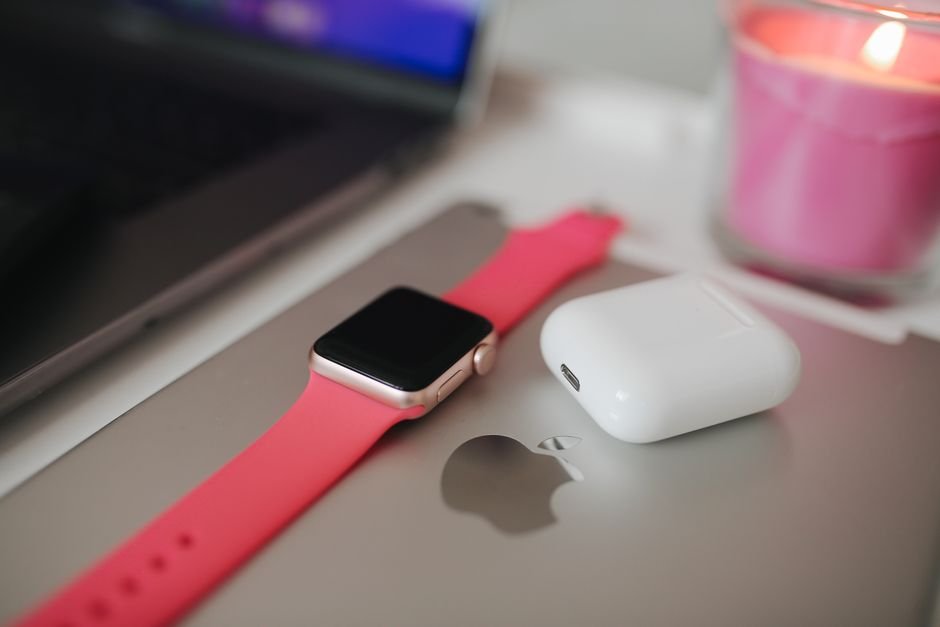
Apple Watch Original Price: Unpacking the Launch Cost of a Tech Icon
The Apple Watch, a device that has since become ubiquitous, was a revolutionary product upon its debut. When Tim Cook unveiled it in September 2014, it wasn’t just a smartwatch; it was Apple’s ambitious foray into a new product category, promising a more personal and intimate computing experience. The question that echoed through the tech world and beyond was: what would this cutting-edge wearable actually cost? The answer, revealed in March 2015, was not a single price tag, but a tiered system reflecting different materials, finishes, and functionalities. This detailed exploration delves into the original pricing of the Apple Watch, dissecting the factors that contributed to its launch cost and the strategic decisions behind its varied offerings.
The Three Tiers: A Spectrum of Luxury and Functionality
Apple strategically launched the Apple Watch in three distinct collections, each targeting a different segment of the market and, consequently, commanding a different price point. These were the Apple Watch Sport, the Apple Watch, and the Apple Watch Edition. This tiered approach allowed Apple to cater to a wider audience, from budget-conscious early adopters to those seeking a high-end luxury accessory.
1. Apple Watch Sport: The Entry Point
The Apple Watch Sport represented the most accessible option, designed for active lifestyles and everyday use. Its pricing was carefully calibrated to encourage broad adoption. The base model, featuring a 38mm case, started at $349. The larger 42mm version of the Apple Watch Sport was priced slightly higher, at $399.
The materials used in the Sport collection were key to its lower price point. The case was constructed from anodized aluminum, a lightweight yet durable material that Apple had successfully utilized in its MacBook and iPhone lines. The display was protected by strengthened Ion-X glass, offering good scratch resistance for daily wear. The included bands were made from a fluoroelastomer, a flexible and comfortable material commonly found in sports watches, available in a range of vibrant colors. This combination of materials and design made the Sport an appealing choice for fitness enthusiasts and those looking for a functional, stylish smartwatch without breaking the bank.
2. Apple Watch: The Core Offering
The standard Apple Watch occupied the middle ground, offering a more refined aesthetic and a wider selection of band options. The 38mm model began at $549, while the 42mm version was priced at $599.
The primary differentiator for the standard Apple Watch was its case material: polished stainless steel. This provided a more premium feel and a classic watch look, appealing to a broader audience than the Sport model. The display was protected by sapphire crystal, a significantly more scratch-resistant material than the Ion-X glass used in the Sport, contributing to its higher price. The standard Apple Watch came with a variety of band options, including the Milanese Loop, Leather Loop, and Classic Buckle, each with its own subtle price variations. These bands offered different textures and closure mechanisms, allowing for greater personalization and further justifying the elevated price compared to the Sport.
3. Apple Watch Edition: The Pinnacle of Luxury
The most talked-about and aspirational tier was the Apple Watch Edition. This collection was designed as a luxury timepiece, utilizing precious metals and commanding a significantly higher price. The entry-level 38mm Apple Watch Edition, crafted from 18-karat yellow or rose gold, started at an eye-watering $10,000. The 42mm version of the Edition also started at $10,000.
The Edition models were not just about the gold; they also featured sapphire crystal for superior scratch resistance and came with premium band options, such as the Modern Buckle and Sport Band, also in 18-karat gold. The sheer exclusivity and the use of precious metals were the primary drivers of its exorbitant price. Apple’s intention with the Edition was clear: to position the Apple Watch not just as a piece of technology, but as a statement of luxury and status, competing directly with traditional high-end watch brands. This bold pricing strategy generated significant buzz and media attention, effectively elevating the perception of the entire Apple Watch line.
Factors Influencing the Original Pricing
Several key factors contributed to the original pricing structure of the Apple Watch:
-
Material Costs: The most obvious factor was the cost of materials. Aluminum for the Sport, stainless steel for the standard model, and 18-karat gold for the Edition directly impacted the manufacturing cost and, subsequently, the retail price. The use of sapphire crystal over Ion-X glass also added to the cost of the higher-tier models.
-
Target Market Segmentation: Apple’s tiered approach was a deliberate strategy to capture different market segments. The Sport catered to the mass market and fitness enthusiasts, the standard model appealed to everyday users seeking a premium device, and the Edition targeted the luxury goods market and those who valued exclusivity.
-
Brand Perception and Premiumization: Apple has always cultivated an image of premium quality and innovation. The pricing of the Apple Watch, particularly the Edition, reinforced this brand perception. By offering a device that could compete with luxury watches, Apple aimed to elevate the smartwatch category as a whole and position itself as a leader in wearable technology.
-
Technological Innovation: The Apple Watch was packed with new technology, including a sophisticated Taptic Engine for haptic feedback, a Retina display, advanced sensors for health tracking (like heart rate monitoring), and seamless integration with the iPhone. The research and development costs associated with these innovative features undoubtedly factored into the pricing.
-
Competition and Market Positioning: While the smartwatch market was nascent at its launch, Apple aimed to set a benchmark. The pricing reflected its ambition to be the dominant player, offering a premium product that justified its cost through superior design, functionality, and ecosystem integration. Competitors at the time, like Android Wear devices, generally offered lower price points, but lacked the same level of polish and brand appeal.
-
Band and Customization Options: The ability to swap bands was a core feature of the Apple Watch. The variety of materials, designs, and closure mechanisms for the bands, each with its own price point, contributed to the overall cost of ownership and allowed users to further personalize their device. High-end leather and metal bands significantly increased the price.
The Strategic Impact of the Pricing
The diverse pricing strategy of the original Apple Watch had a profound impact:
-
Democratization of Wearable Tech: The $349 starting price of the Apple Watch Sport made advanced wearable technology accessible to a much wider audience than the Edition models would have allowed. This was crucial for establishing the smartwatch as a mainstream consumer product.
-
Elevating the Smartwatch Category: The existence of the $10,000 Apple Watch Edition, while niche, generated immense publicity and positioned the smartwatch as a potential luxury item, akin to traditional watches. This elevated the perception of the entire category and encouraged other manufacturers to explore higher-end offerings.
-
Driving Ecosystem Adoption: By offering a range of price points, Apple encouraged a broader adoption of its ecosystem. Users who purchased even the Sport model were now more deeply integrated into the Apple universe, further strengthening brand loyalty.
-
Setting the Standard for Future Wearables: The Apple Watch’s launch pricing set a precedent for how smartwatches would be positioned in the market. It demonstrated that there was a viable market for both affordable, functional devices and high-end, luxury wearables.
The original pricing of the Apple Watch was a masterclass in market segmentation and brand positioning. By offering a spectrum of choices, from the accessible Sport to the opulent Edition, Apple successfully launched a revolutionary product that appealed to a vast array of consumers, fundamentally changing the landscape of personal technology and luxury goods. The initial price tags, while varied, all contributed to the overarching narrative of innovation, desirability, and Apple’s unparalleled ability to define new product categories.