
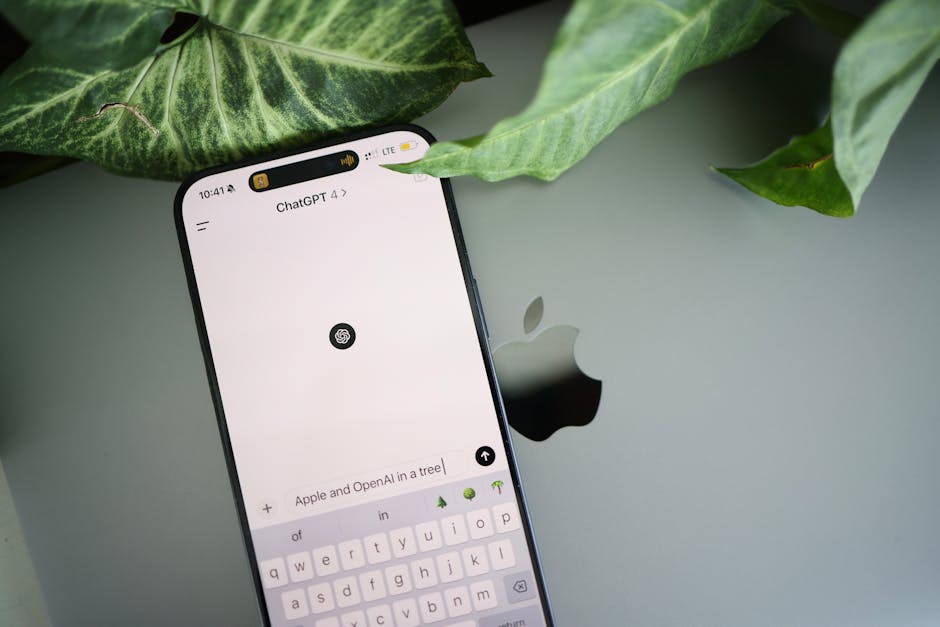
AI Smartphones: The Future in Your Pocket, Today
The smartphone has evolved from a communication device to an indispensable extension of our lives. Now, a new paradigm shift is underway, driven by the relentless march of Artificial Intelligence (AI). AI smartphones are no longer a futuristic concept; they are rapidly becoming the reality, promising to redefine our interaction with technology and fundamentally alter our daily routines. This isn’t just about faster processors or sharper cameras; it’s about devices that understand, adapt, and anticipate our needs, seamlessly integrating intelligence into every facet of our mobile experience.
At its core, an AI smartphone leverages sophisticated algorithms and powerful on-device processing to perform tasks that were once the exclusive domain of cloud-based servers or human intellect. This includes everything from understanding natural language commands with uncanny accuracy to recognizing objects and scenes in real-time, optimizing battery life based on usage patterns, and personalizing user experiences to an unprecedented degree. The integration of AI is not a single feature but a pervasive force, woven into the fabric of the operating system and influencing every application and interaction.
One of the most tangible benefits of AI in smartphones is the enhanced user experience. Natural Language Processing (NLP) has reached a critical mass, allowing voice assistants like Google Assistant, Siri, and Bixby to understand context, intent, and even nuances in human speech. This translates to more fluid conversations, more accurate command execution, and a significant reduction in the frustration often associated with voice interaction. Beyond simple commands, AI is powering predictive text that learns your writing style, suggesting words and phrases before you even think of them. It’s enabling intelligent notification management, prioritizing what’s important and silencing the noise, ensuring you only see what truly matters.
Photography has been dramatically revolutionized by AI. Computational photography, powered by AI algorithms, can now achieve results that were previously impossible with hardware alone. Features like Night Mode, Portrait Mode with adjustable bokeh, and scene recognition that automatically optimizes camera settings for landscapes, food, or pets are all testament to AI’s prowess. AI can intelligently enhance image quality, reduce noise, sharpen details, and even reconstruct missing information in low-light conditions. This means everyday users can capture professional-quality photos with minimal effort, democratizing high-end photography. Object recognition is also becoming more sophisticated, allowing for instant identification of landmarks, products, or even plants, opening up a world of information at your fingertips.
Performance and efficiency are also significantly boosted by AI. On-device AI processors, often dedicated Neural Processing Units (NPUs), are becoming standard. These specialized chips are designed to handle AI-related computations with extreme efficiency, consuming less power and delivering faster results than general-purpose CPUs. AI algorithms are constantly working in the background to optimize resource allocation, predicting app usage and pre-loading frequently used applications for faster launch times. Battery management is another area where AI shines. By analyzing your usage patterns, the AI can intelligently adjust power consumption, dimming the screen when you’re not actively using it, or throttling background processes to extend battery life significantly. This proactive approach to power management ensures your device is ready when you are.
Personalization is where AI truly shines, transforming your smartphone into a truly bespoke companion. AI learns your habits, preferences, and routines to tailor the experience to your individual needs. This can manifest in a multitude of ways: suggesting relevant apps based on the time of day or your location, curating news feeds based on your interests, or even adjusting system settings to your comfort level. AI-powered recommendation engines are becoming more sophisticated, suggesting music, movies, or products that you’re likely to enjoy. This hyper-personalization creates a more intuitive and engaging user experience, making your device feel less like a tool and more like an intelligent assistant.
The implications of AI extend beyond individual user benefits to broader societal impacts. Accessibility is being dramatically improved. AI-powered features like real-time translation for conversations, live captioning for videos, and improved screen readers are empowering individuals with disabilities to interact with technology and the world around them more effectively. AI can also assist in recognizing potential health issues through subtle changes in voice patterns or activity levels, paving the way for proactive health monitoring.
The development of AI smartphones is not without its challenges. Privacy and data security remain paramount concerns. As AI devices collect and process more personal data to provide personalized experiences, robust security measures and transparent data handling practices are crucial. Users need to have confidence that their information is protected and used ethically. Furthermore, the ethical implications of AI, such as bias in algorithms and the potential for misuse, require careful consideration and ongoing dialogue. Ensuring fairness and equity in AI development is a collective responsibility.
The future of AI smartphones is an exciting frontier. We can anticipate even more sophisticated AI capabilities, including advanced emotional intelligence to better understand user sentiment, predictive maintenance that alerts you to potential hardware issues before they occur, and seamless integration with the broader Internet of Things (IoT) ecosystem. Imagine your smartphone communicating with your smart home to adjust lighting and temperature based on your arrival, or proactively ordering groceries when supplies are low. The lines between our digital and physical worlds will continue to blur, with AI smartphones acting as the central nexus of this interconnectedness.
The ongoing evolution of AI hardware, particularly the advancement of dedicated NPUs and neuromorphic chips, will further accelerate these capabilities. These specialized processors will enable more complex AI models to run directly on the device, reducing latency and improving privacy by minimizing the need to send sensitive data to the cloud. This trend towards on-device AI processing is a defining characteristic of the next generation of AI smartphones.
Moreover, the integration of AI will extend to enhanced security features. Beyond facial recognition and fingerprint scanning, AI can analyze behavioral biometrics – the unique way you type, swipe, or hold your phone – to provide a continuous and unobtrusive layer of security. This adaptive authentication can detect anomalies that might indicate a compromised device, offering a more robust defense against cyber threats.
The AI smartphone is rapidly transitioning from a novelty to a necessity. As these intelligent devices become more deeply ingrained in our lives, they promise to unlock new levels of productivity, creativity, and connection. The future isn’t just in our pockets; it’s in the intelligent, adaptive, and personalized experiences that AI smartphones are already delivering, and will continue to deliver, shaping the very fabric of our digital existence. The continuous innovation in machine learning, natural language processing, and computer vision ensures that the capabilities of these devices will only continue to expand, making them indispensable tools for navigating the complexities of the modern world.
