Navigating the path to a healthier lifestyle can feel like charting an unknown territory. The sheer volume of information, conflicting advice, and the daily demands of life can leave even the most motivated individuals feeling overwhelmed. This is where a comprehensive health tracker emerges as your indispensable companion, transforming abstract goals into tangible progress and empowering you with the knowledge to make informed decisions about your well-being. This guide delves deep into the multifaceted world of health tracking, equipping you with the understanding and tools to unlock your healthiest self.
Understanding the Power of Health Tracking
At its core, a health tracker is a system, whether digital or analog, designed to meticulously record and analyze various aspects of your physical and mental health. This goes far beyond simply counting steps. It encompasses a holistic view, encompassing diet, exercise, sleep, mood, hydration, and even biometric data. The true power of a health tracker lies in its ability to:
- Provide Objective Data: Gut feelings are valuable, but data offers irrefutable evidence. Tracking removes the guesswork, showing you precisely where you stand and the impact of your habits.
- Identify Patterns and Trends: By observing consistent data over time, you can uncover hidden patterns. Perhaps your energy levels dip consistently on Tuesdays, or your sleep quality suffers when you consume caffeine after a certain hour.
- Motivate and Foster Accountability: Seeing your progress visualized in charts and graphs can be incredibly motivating. Furthermore, the act of recording itself creates a sense of accountability, making you more mindful of your choices.
- Facilitate Informed Decision-Making: Armed with data, you can tailor your approach. Instead of generic advice, you can make personalized adjustments to your diet, exercise routine, or sleep schedule based on what works best for you.
- Detect Early Warning Signs: Subtle changes in your health metrics might indicate underlying issues before they become significant problems. Early detection can lead to more effective and less invasive interventions.
Key Pillars of Health Tracking: What to Monitor
A truly comprehensive health tracker will address the fundamental pillars of well-being. Let’s explore each in detail:
1. Nutrition and Hydration: Fueling Your Body Wisely
What you eat and drink directly impacts your energy levels, mood, and long-term health. Effective nutrition tracking involves:
- Calorie and Macronutrient Intake: Understanding your daily calorie needs and the balance of carbohydrates, proteins, and fats is crucial for weight management, muscle building, and overall health. Food logging apps utilize extensive databases to simplify this process.
- Micronutrient Tracking: Beyond the macronutrients, vitamins and minerals play vital roles. While detailed micronutrient tracking can be complex, many apps offer insights into your intake of key vitamins like Vitamin D, C, and B vitamins, as well as minerals like iron and calcium.
- Food Quality and Source: Beyond numbers, consider the quality of your food. Tracking organic choices, locally sourced produce, or the absence of processed ingredients can enhance your understanding of your dietary impact.
- Hydration Levels: Dehydration can manifest as fatigue, headaches, and impaired cognitive function. Aim for a consistent water intake, and track it diligently. Many devices and apps offer hydration reminders.
2. Physical Activity: Moving Your Body for Optimal Health
Regular physical activity is non-negotiable for a healthy life. Tracking your movement provides valuable feedback:
- Step Count: A foundational metric, step count offers a baseline for daily activity. Aiming for 10,000 steps is a common goal, but understanding your personal baseline and gradually increasing it is more effective.
- Exercise Type and Duration: Differentiate between various forms of exercise. Tracking strength training, cardio, flexibility work, and high-intensity interval training (HIIT) allows you to understand the benefits of each and ensure a well-rounded fitness routine.
- Intensity and Heart Rate: Utilizing heart rate monitors provides insights into workout intensity. Tracking your heart rate zones during exercise helps optimize fat burning, cardiovascular health, and endurance.
- Active Minutes: Many wearables distinguish between total steps and “active minutes,” which represent periods of sustained moderate to vigorous activity. This is a more accurate measure of cardiovascular benefit.
- Recovery Metrics: For athletes and those pushing their limits, tracking recovery is paramount. This can include monitoring heart rate variability (HRV), sleep quality, and perceived exertion to prevent overtraining.
3. Sleep: The Cornerstone of Restoration and Resilience
Sleep is not a luxury; it’s a biological necessity. Poor sleep can undermine all other health efforts. Effective sleep tracking includes:
- Sleep Duration: Aim for 7-9 hours of quality sleep per night. Tracking the total time spent asleep is the first step.
- Sleep Stages: Advanced wearables can differentiate between light sleep, deep sleep (essential for physical restoration), and REM sleep (crucial for cognitive function and memory consolidation).
- Sleep Consistency: Going to bed and waking up around the same time, even on weekends, helps regulate your body’s natural sleep-wake cycle (circadian rhythm).
- Wake-Ups and Restlessness: Frequent awakenings or periods of tossing and turning can indicate poor sleep quality, even if the total duration appears sufficient.
- Factors Affecting Sleep: Correlate sleep data with other tracked elements. Did a late-night snack impact your sleep? Did a stressful day lead to more restless sleep?
4. Mental Well-being: Nurturing Your Inner Landscape
Mental health is as vital as physical health. While more nuanced, tracking can offer valuable insights:
- Mood Tracking: Regularly logging your mood, perhaps on a scale of 1-5 or with descriptive words, can help identify triggers for negative emotions and highlight activities that boost your spirits.
- Stress Levels: Some devices can estimate stress levels based on heart rate variability and other physiological indicators. Complement this with self-reported stress levels and identify coping mechanisms.
- Mindfulness and Meditation: Tracking the frequency and duration of mindfulness practices or meditation sessions can reveal their impact on your overall sense of calm and focus.
- Social Connection: While not directly tracked by devices, consciously noting the quality and quantity of your social interactions can highlight their importance for your mental well-being.
- Journaling: A powerful tool for processing thoughts and emotions, journaling can be integrated with your health tracking by noting down reflections related to your physical and mental state.
Choosing Your Health Tracking Tools: A Spectrum of Options
The landscape of health tracking tools is diverse, catering to various needs and preferences:
- Wearable Devices (Smartwatches and Fitness Trackers): These are the most popular, offering continuous monitoring of activity, heart rate, sleep, and often SpO2 (blood oxygen saturation). Brands like Apple, Fitbit, Garmin, and Samsung offer a wide range of options.
- Smartphone Apps: These are versatile and often free, allowing for manual logging of food, water, mood, and exercise. Many integrate with wearable devices to consolidate data. Popular examples include MyFitnessPal, Lose It!, Headspace, and Calm.
- Smart Scales: These go beyond basic weight measurement, often providing body composition analysis, including body fat percentage, muscle mass, and bone density.
- Specialized Devices: For specific needs, consider continuous glucose monitors (CGMs) for diabetes management, sleep tracking rings, or even smart yoga mats that track poses.
- Pen and Paper Journals: For those who prefer a tactile approach, a well-designed journal can be an effective way to track habits and reflections, offering a less data-driven but deeply personal approach.
Integrating Your Data for Holistic Insights
The true magic of health tracking happens when you connect the dots. Don’t view each metric in isolation. Instead, look for correlations and interactions:
- Sleep and Exercise: Notice how a particularly strenuous workout impacts your sleep quality or how good sleep improves your workout performance.
- Diet and Mood: Observe how certain foods or eating patterns affect your energy levels and overall mood.
- Stress and Sleep: Understand how elevated stress levels translate into disrupted sleep.
- Activity and Hydration: Recognize that increased physical activity necessitates increased fluid intake.
Leveraging Your Health Data for Actionable Change
Collecting data is only the first step. The real value lies in using it to drive positive change:
- Set SMART Goals: Based on your data, set Specific, Measurable, Achievable, Relevant, and Time-bound goals. Instead of “eat healthier,” aim for “increase vegetable intake by one serving per day for the next two weeks.”
- Identify Your “Why”: Connect your tracking to your personal motivations. Are you tracking to have more energy for your children? To improve your athletic performance? To manage a health condition?
- Celebrate Milestones: Acknowledge and celebrate your progress, no matter how small. This reinforces positive habits and keeps you motivated.
- Don’t Fear Imperfection: There will be days when you fall short of your goals. The key is not to give up but to learn from those instances and get back on track.
- Seek Professional Guidance: For complex health concerns or to interpret nuanced data, consult with healthcare professionals, registered dietitians, or certified personal trainers.
Optimizing Your Health Tracker for Maximum Impact
To get the most out of your health tracking journey, consider these best practices:
- Be Consistent: Regular tracking is more valuable than sporadic bursts of intense logging.
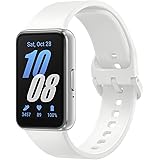
Samsung Galaxy Fit3 Smartwatch Silver (Silver) SM-R390
₹4,299.00 (as of September 22, 2026 01:35 GMT +05:30 - More infoProduct prices and availability are accurate as of the date/time indicated and are subject to change. Any price and availability information displayed on [relevant Amazon Site(s), as applicable] at the time of purchase will apply to the purchase of this product.)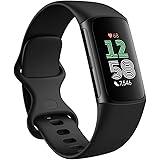
Fitbit Charge 6, Obsidian/Black Aluminum
Now retrieving the price.
(as of September 22, 2026 01:35 GMT +05:30 - More infoProduct prices and availability are accurate as of the date/time indicated and are subject to change. Any price and availability information displayed on [relevant Amazon Site(s), as applicable] at the time of purchase will apply to the purchase of this product.)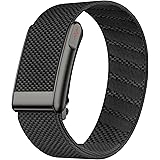
StyleOxx Loop Smart Fitness Band with Heart Rate, SpO2, Body Temperature, HRV Analysis, 30+ Sports Modes, Sleep and Stress Monitor, 7 Days Battery, Subscription Free (Midnight Black)
₹7,499.00 (as of September 22, 2026 01:36 GMT +05:30 - More infoProduct prices and availability are accurate as of the date/time indicated and are subject to change. Any price and availability information displayed on [relevant Amazon Site(s), as applicable] at the time of purchase will apply to the purchase of this product.)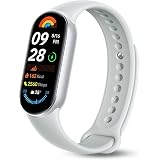
Drumstone Exclusive 5 Years Warranty Waterproof Fitness Smart Watch, Heart Rate Monitor, Blood Pressure Tracker, Step & Calorie Counter, Sleep Monitor, Call & Message Alerts for Men & Women
₹1,279.00 (as of September 22, 2026 01:36 GMT +05:30 - More infoProduct prices and availability are accurate as of the date/time indicated and are subject to change. Any price and availability information displayed on [relevant Amazon Site(s), as applicable] at the time of purchase will apply to the purchase of this product.)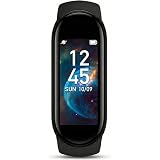
Drumstone Bluetooth Smart Fitness Band with OLED Display, Heart Rate Tracking, Step Counter, Sleep Tracking, Water-Resistant Activity Tracker, Call & Message Notifications for Android & iOS
₹889.00 (as of September 22, 2026 01:35 GMT +05:30 - More infoProduct prices and availability are accurate as of the date/time indicated and are subject to change. Any price and availability information displayed on [relevant Amazon Site(s), as applicable] at the time of purchase will apply to the purchase of this product.)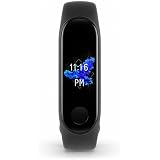
Drumstone 𝟏𝟓 𝐘𝐞𝐚𝐫𝐬 𝐖𝐚𝐫𝐫𝐚𝐧𝐭𝐲 Smart Fitness Band with Heart Rate Monitor, OLED Touch Display, Waterproof Activity Tracker, Step Counter, Sleep Monitor, Calorie Tracker for Men & Women
₹889.00 (as of September 22, 2026 01:36 GMT +05:30 - More infoProduct prices and availability are accurate as of the date/time indicated and are subject to change. Any price and availability information displayed on [relevant Amazon Site(s), as applicable] at the time of purchase will apply to the purchase of this product.)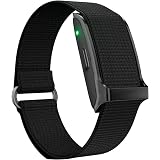
Nex-Q2 Smart Fitness Band with Heart Rate Monitoring, HRV Analysis, Stress Monitoring, Sleep Tracking, 25+ Days Battery Life, 30+ Sports Modes, Subscription Free
₹2,799.00 (as of September 22, 2026 01:36 GMT +05:30 - More infoProduct prices and availability are accurate as of the date/time indicated and are subject to change. Any price and availability information displayed on [relevant Amazon Site(s), as applicable] at the time of purchase will apply to the purchase of this product.)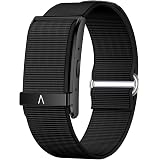
URBAN ARC Note – India's First AI Meeting Recorder Smart Fitness Band | Woven Nylon Band, Metal Buckle Clasp, Slim Form Factor, Unisex Design, Adjustable Fit
₹6,999.00 (as of September 22, 2026 01:36 GMT +05:30 - More infoProduct prices and availability are accurate as of the date/time indicated and are subject to change. Any price and availability information displayed on [relevant Amazon Site(s), as applicable] at the time of purchase will apply to the purchase of this product.)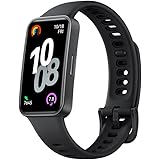
Huawei Band 10 Smartwatch with AI-Powered Fitness Monitoring, Pro-Level Sleep Analysis, Emotional Wellbeing Assistant,Streamlined Metallic Design,Fast Charging,iOS Android (Band 10, Strap Black)
₹3,999.00 (as of September 22, 2026 01:35 GMT +05:30 - More infoProduct prices and availability are accurate as of the date/time indicated and are subject to change. Any price and availability information displayed on [relevant Amazon Site(s), as applicable] at the time of purchase will apply to the purchase of this product.)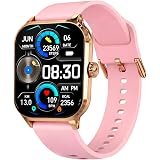
Smart Watch for Men, Women, Boys, Girls, Kids – Full Touch Screen Display, Bluetooth Calling, Rotating Crown, Workout Modes, Wireless Charging Smart Watch (Pink)
₹698.00 (as of September 22, 2026 01:36 GMT +05:30 - More infoProduct prices and availability are accurate as of the date/time indicated and are subject to change. Any price and availability information displayed on [relevant Amazon Site(s), as applicable] at the time of purchase will apply to the purchase of this product.)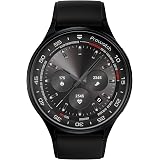
Newly Launched ProWatch Xtreme with Enhanced Fitness Features - 1.43" AMOLED AOD Display | Inbuilt GPS, Altimeter, Barometer & Compass | Body Energy Features| Corning Gorilla Glass 3 (Silicone)
₹4,764.00 (as of September 22, 2026 01:35 GMT +05:30 - More infoProduct prices and availability are accurate as of the date/time indicated and are subject to change. Any price and availability information displayed on [relevant Amazon Site(s), as applicable] at the time of purchase will apply to the purchase of this product.)
Pebble Qore Fitness Band with 45 Days Battery Life| 100+ Sports Modes| Advanced Health Tracking HR| SpO2| Stress| Sleep| OneKey Measurement| Smart Notifications - Midnight Blue
₹2,849.00 (as of September 22, 2026 01:35 GMT +05:30 - More infoProduct prices and availability are accurate as of the date/time indicated and are subject to change. Any price and availability information displayed on [relevant Amazon Site(s), as applicable] at the time of purchase will apply to the purchase of this product.)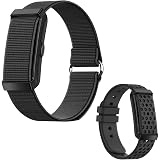
pTron Reflect ACE Smart Fitness Band w/ 45 Days Battery Life, 112 Sports Modes, Heart Rate, SpO2, Stress, Sleep Tracking, HRV, Smart Notifications, 1-Key Measurement, Nylon & Silicon Straps (Black)
₹2,499.00 (as of September 22, 2026 01:35 GMT +05:30 - More infoProduct prices and availability are accurate as of the date/time indicated and are subject to change. Any price and availability information displayed on [relevant Amazon Site(s), as applicable] at the time of purchase will apply to the purchase of this product.)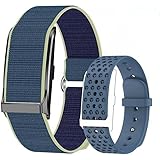
Smart Bracelet for Men Women, Wearable Health Activity Fitness Trackers Sports Monitoring Sleep Tracker with Free APP and 2 Bands (JF28)
₹2,999.00 (as of September 22, 2026 01:35 GMT +05:30 - More infoProduct prices and availability are accurate as of the date/time indicated and are subject to change. Any price and availability information displayed on [relevant Amazon Site(s), as applicable] at the time of purchase will apply to the purchase of this product.)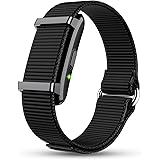
Pebble Qore 2 Smart Band Heart Rate | HRV | Body Temperature Monitoring | Sleep Tracker | 5ATM Water Resistant | Multiple Sports Modes | Premium Metal Body (Cosmic Black)
₹3,449.00 (as of September 22, 2026 01:35 GMT +05:30 - More infoProduct prices and availability are accurate as of the date/time indicated and are subject to change. Any price and availability information displayed on [relevant Amazon Site(s), as applicable] at the time of purchase will apply to the purchase of this product.)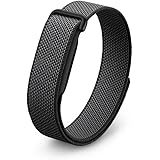
Google Fitbit Air - Screenless Activity Tracker with Fitness, Heart Rate, and Sleep Tracking - Personalized AI-Powered Coaching - Up to 7 Days’ Battery Life - Works with iOS and Android - Obsidian
₹15,640.00 (as of September 22, 2026 01:35 GMT +05:30 - More infoProduct prices and availability are accurate as of the date/time indicated and are subject to change. Any price and availability information displayed on [relevant Amazon Site(s), as applicable] at the time of purchase will apply to the purchase of this product.)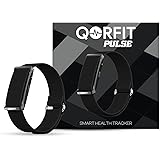
QORFIT Pulse Smart Band for Men & Women, 24/7 Health & Fitness Tracker with HRV, BP, Stress & Sleep Monitor, 127+ Sports Modes, Upto 45 Days Battery, IP68 Waterproof, No Subscription Needed
₹4,444.00 (as of September 22, 2026 01:35 GMT +05:30 - More infoProduct prices and availability are accurate as of the date/time indicated and are subject to change. Any price and availability information displayed on [relevant Amazon Site(s), as applicable] at the time of purchase will apply to the purchase of this product.)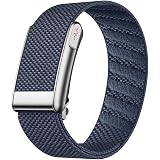
Loop Smart Band Fitness Health Activity Tracker ECG PPG Body Temperature, HRV Analysis, 30+ Exercise Modes, Sleep and Stress Monitor, Subscription Free Screenless Smart Bracelet (Dark Blue)
Now retrieving the price.
(as of September 22, 2026 01:36 GMT +05:30 - More infoProduct prices and availability are accurate as of the date/time indicated and are subject to change. Any price and availability information displayed on [relevant Amazon Site(s), as applicable] at the time of purchase will apply to the purchase of this product.)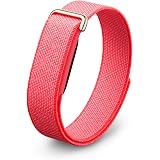
Google Fitbit Air - Screenless Fitness and Health Tracking - Works with Android and iOS - Berry
₹15,999.00 (as of September 22, 2026 01:36 GMT +05:30 - More infoProduct prices and availability are accurate as of the date/time indicated and are subject to change. Any price and availability information displayed on [relevant Amazon Site(s), as applicable] at the time of purchase will apply to the purchase of this product.)