Navigating the vast landscape of audio equipment can be daunting, especially when seeking the perfect speakers to elevate your listening experience. Whether you’re a discerning audiophile craving pristine sound reproduction, a gamer seeking immersive battlefield acoustics, or a music lover desiring room-filling melodies, this comprehensive guide is designed to equip you with the knowledge to make an informed decision. We’ll delve into the crucial factors that define speaker quality, explore different types of speakers suited for various needs, and highlight key features to consider.
Understanding Speaker Fundamentals: What Makes a Great Speaker?
At its core, a speaker’s purpose is to convert electrical signals into audible sound waves. However, the fidelity of this conversion varies dramatically. Several key elements contribute to a speaker’s overall performance:
- Frequency Response: This refers to the range of frequencies a speaker can reproduce, measured in Hertz (Hz). A wider and flatter frequency response indicates the speaker can accurately reproduce both deep bass and high treble without significant peaks or dips. Human hearing typically ranges from 20Hz to 20kHz. A speaker with a wider range and a more uniform output across this spectrum will deliver a more natural and detailed sound.
- Sensitivity: Measured in decibels (dB) per watt per meter, sensitivity indicates how loud a speaker can get with a given amount of power. Higher sensitivity speakers require less amplifier power to achieve a certain volume, making them ideal for use with lower-powered amplifiers or receivers. Conversely, lower sensitivity speakers demand more powerful amplification to reach their full potential.
- Impedance: Measured in Ohms (Ω), impedance refers to the electrical resistance the speaker presents to the amplifier. Most home audio speakers have an impedance of 4 or 8 Ohms. It’s crucial to match your speaker’s impedance with your amplifier’s capabilities to avoid damaging either component. An amplifier rated for 8-ohm speakers can typically handle 4-ohm speakers, but the reverse is not always true.
- Distortion: This measures how much the speaker alters the original audio signal. Lower distortion levels result in cleaner, more accurate sound, especially at higher volumes. Harmonic distortion and intermodulation distortion are common metrics.
- Driver Types: Speakers utilize various drivers to reproduce different frequency ranges:
- Woofers: These are the largest drivers, responsible for producing low frequencies (bass).
- Mid-range Drivers: These handle the middle frequencies, crucial for vocals and most instruments.
- Tweeters: These smaller drivers are designed to reproduce high frequencies (treble), adding clarity and detail.
- Full-Range Drivers: Some speakers employ a single driver capable of reproducing a wide range of frequencies, often found in smaller, more compact designs.
- Cabinet Design and Construction: The enclosure, or cabinet, plays a vital role in sound quality. It needs to be rigid and well-braced to prevent unwanted vibrations and resonances that can color the sound. Materials like MDF (Medium-Density Fiberboard) are common, and internal damping materials help absorb stray sound waves.
Types of Speakers: Finding Your Perfect Match
The “best” speaker is highly subjective and depends entirely on your intended use and environment. Here’s a breakdown of common speaker types:
- Bookshelf Speakers: Compact and versatile, bookshelf speakers are designed to sit on shelves, stands, or furniture. They offer a significant upgrade over built-in TV speakers and are suitable for smaller to medium-sized rooms. Many bookshelf speakers can deliver impressive bass for their size, especially when paired with a subwoofer. They are excellent for stereo music listening and can form the front channels of a surround sound system.
- Floorstanding (Tower) Speakers: These larger speakers stand on their own and typically incorporate multiple drivers, including larger woofers, for more powerful and extended bass response. Floorstanding speakers are ideal for larger rooms and deliver a more immersive and impactful soundstage, making them a popular choice for dedicated home theater systems and serious music enthusiasts.
- Soundbars: A popular space-saving solution, soundbars are long, slender speaker systems designed to sit beneath a TV. They often integrate multiple drivers and sometimes a wireless subwoofer to create a wider soundstage than traditional TV speakers. While they offer convenience and improved audio quality, they generally cannot match the sonic depth and separation of dedicated multi-speaker systems.
- Subwoofers: These are dedicated speakers designed solely to reproduce very low frequencies (bass). A subwoofer is essential for a truly impactful home theater experience, adding rumble and depth to movie soundtracks and basslines in music. They can also enhance the low-end performance of bookshelf or satellite speakers.
- Satellite Speakers: Often part of a surround sound system, satellite speakers are small, compact speakers designed to handle mid and high frequencies. They are typically paired with a subwoofer to form a complete 2.1, 5.1, or even 7.1 channel system. Their small size makes them easy to place around a room for immersive surround effects.
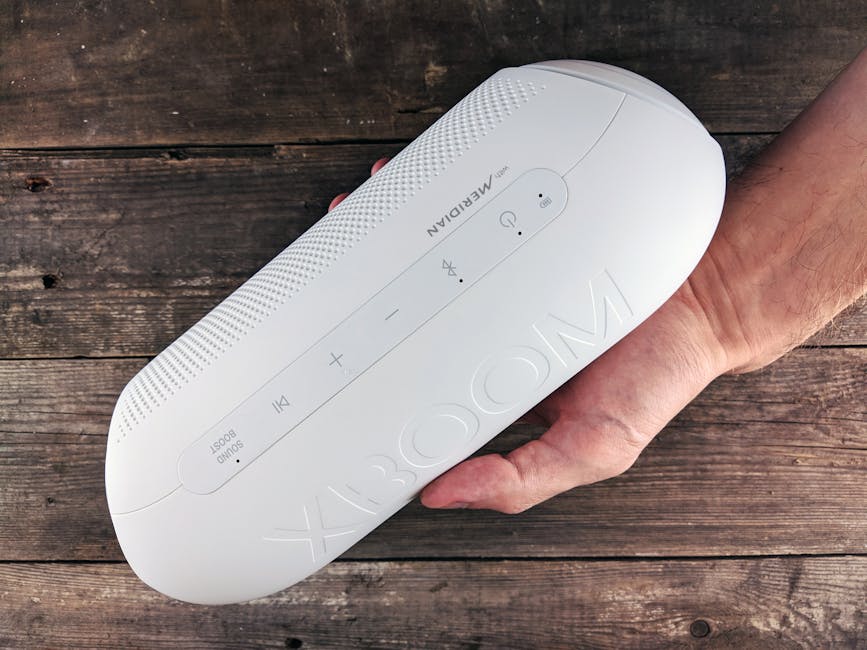
- Wireless Speakers: With the rise of Bluetooth and Wi-Fi technology, wireless speakers offer unparalleled convenience and portability. They can be easily moved between rooms, used outdoors, or set up without the hassle of cables. High-fidelity wireless speakers are now available, offering excellent sound quality for their form factor.
- Smart Speakers: These speakers integrate voice assistants like Amazon Alexa or Google Assistant, allowing for voice control of music playback, smart home devices, and information retrieval. While convenient, their primary focus is often on voice interaction rather than pure audio fidelity, though high-end smart speakers are improving in this regard.
- Studio Monitors: Designed for professional audio engineers and producers, studio monitors are engineered for flat, accurate frequency response and minimal coloration. They are crucial for critical listening and mixing, ensuring that what you hear is true to the original recording. While excellent for accuracy, their uncolored sound might not be as immediately pleasing for casual listening as some consumer speakers.
Key Features to Consider When Buying Speakers:
Beyond the fundamental performance metrics and speaker types, several other features can influence your purchasing decision:
- Connectivity: Consider how you’ll connect your speakers. Most traditional speakers use speaker wire, requiring an amplifier or receiver. Wireless speakers utilize Bluetooth or Wi-Fi. Some modern speakers offer both wired and wireless options.
- Power Handling: This refers to the maximum amount of power a speaker can safely handle from an amplifier. Ensure your amplifier’s output power is within the speaker’s recommended range to avoid damage.
- Build Quality and Materials: A well-built speaker will not only look good but also contribute to better sound. Look for sturdy cabinets, quality driver materials (e.g., silk dome tweeters, woven fiber woofers), and robust binding posts for secure connections.
- Room Size and Acoustics: The size of your listening space is a critical factor. Larger rooms benefit from more powerful speakers with greater bass extension and higher sensitivity. Consider the room’s acoustics as well; hard surfaces can lead to excessive reflections, while soft furnishings can absorb sound.
- Budget: Speaker prices vary wildly. Set a realistic budget and prioritize features that are most important to you. Remember that investing in a good amplifier or receiver is equally important for optimal speaker performance.
- Aesthetics: While sound quality should be paramount, the visual appeal of your speakers matters, especially if they are a prominent part of your living space. Many manufacturers offer a range of finishes and designs to complement different decor styles.
- Surround Sound Capabilities: If you’re building a home theater system, consider speakers designed for surround sound, including dedicated center channels, surround speakers, and potentially height channels for Dolby Atmos.
- Active vs. Passive Speakers: Passive speakers require an external amplifier to power them. Active speakers have a built-in amplifier, meaning they can be connected directly to a source device (like a computer or turntable with a phono pre-amp). Active speakers offer simplicity and can be a good option for desktop setups or smaller systems.
Optimizing Your Listening Experience:
Once you’ve chosen your speakers, proper placement and setup are crucial for unlocking their full potential:
- Speaker Placement: For stereo listening, position your speakers to form an equilateral triangle with your listening position. This “sweet spot” ensures optimal stereo imaging. For surround sound, follow the recommended placement guidelines for your specific system configuration.
- Toe-in: Experiment with angling your speakers slightly inward (“toe-in”) towards your listening position. This can affect the soundstage and clarity.
- Elevation: Ensure tweeters are at ear level when you’re seated. Speaker stands are often essential for achieving this with bookshelf speakers.
- Room Treatment: Consider acoustic treatments like bass traps, diffusers, and absorption panels to manage reflections and improve the clarity and balance of your sound.
By understanding the fundamental principles of speaker design, exploring the diverse range of available types, and carefully considering the features that matter most to you, you’ll be well-equipped to embark on a rewarding journey to find the best speakers that will transform your audio experience.
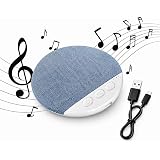
Bluetooth Pillow Speaker for Sleeping, Wireless Under Pillow Sleep Speaker with White Noise, Portable Mini Stereo Music Speaker for Side Sleepers, Bedside Travel Sleep Aid (Blue)
Now retrieving the price.
(as of October 10, 2026 16:56 GMT +05:30 - More infoProduct prices and availability are accurate as of the date/time indicated and are subject to change. Any price and availability information displayed on [relevant Amazon Site(s), as applicable] at the time of purchase will apply to the purchase of this product.)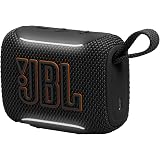
JBL Go 5 Portable Bluetooth Speaker with Pro Sound & Deep Bass, Ambient Edge Lighting, Upto 10 Hours Playtime, IP68 Waterproof, AirTouch Pairing, Auracast, USB-C Lossless Audio (Black)
₹4,699.00 (as of October 10, 2026 16:56 GMT +05:30 - More infoProduct prices and availability are accurate as of the date/time indicated and are subject to change. Any price and availability information displayed on [relevant Amazon Site(s), as applicable] at the time of purchase will apply to the purchase of this product.)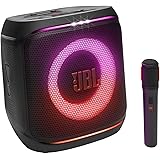
JBL Partybox Encore 2 with Mic, Wireless Bluetooth Party Speaker, AI Sound Boost, Dynamic Light Show, Upto 15Hrs Playtime, Replaceable Battery, Multi-Speaker Connection by Auracast, PartyBox App-Black
₹19,999.00 (as of October 10, 2026 16:56 GMT +05:30 - More infoProduct prices and availability are accurate as of the date/time indicated and are subject to change. Any price and availability information displayed on [relevant Amazon Site(s), as applicable] at the time of purchase will apply to the purchase of this product.)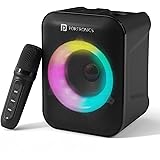
Portronics Apollo One 20W Wireless Bluetooth Portable Speaker with Wireless Karaoke Mic, 5 Hour Playtime, RGB LED Light, Bluetooth V5.3, Easy Grab Handle, USB/AUX in/TF Card, Type C Charging(Black)
₹1,099.00 (as of October 10, 2026 16:56 GMT +05:30 - More infoProduct prices and availability are accurate as of the date/time indicated and are subject to change. Any price and availability information displayed on [relevant Amazon Site(s), as applicable] at the time of purchase will apply to the purchase of this product.)
pTron Newly Launched Fusion Tunes 10W Mini Bluetooth Speaker with Wireless Karaoke Mic, 8Hrs Playtime, Vivid RGB Lights, Voice Effects, Multi-Play Modes BT5.1/TF Card & Type-C Charging Port (Black)
₹849.00 (as of October 10, 2026 16:56 GMT +05:30 - More infoProduct prices and availability are accurate as of the date/time indicated and are subject to change. Any price and availability information displayed on [relevant Amazon Site(s), as applicable] at the time of purchase will apply to the purchase of this product.)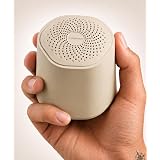
HAMMER Smash Portable Indoor Bluetooth Speaker | 5W Output | Bluetooth 6.0 | Up to 32H Playtime | Twin Pairing | Made in India | Type-C Fast Charging | Built-in Mic | TF Card & USB Support | Beige
₹499.00 (as of October 10, 2026 16:56 GMT +05:30 - More infoProduct prices and availability are accurate as of the date/time indicated and are subject to change. Any price and availability information displayed on [relevant Amazon Site(s), as applicable] at the time of purchase will apply to the purchase of this product.)
Adventure Edition Car Shaped Bluetooth Speaker, 20W Wireless Portable Speaker with HD Sound, Bluetooth 5.0 (Black)
₹849.00 (as of October 10, 2026 16:56 GMT +05:30 - More infoProduct prices and availability are accurate as of the date/time indicated and are subject to change. Any price and availability information displayed on [relevant Amazon Site(s), as applicable] at the time of purchase will apply to the purchase of this product.)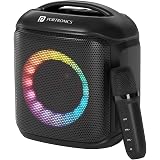
Portronics Apollo Prime 20W Bluetooth Speaker with Wireless Karaoke Mic, RGB LED Lights, Bluetooth 5.3, Up to 5 Hours Playtime, Type-C Charging, USB, AUX & SD Card Support, Easy Grip Handle (Black)
₹1,799.00 (as of October 10, 2026 16:56 GMT +05:30 - More infoProduct prices and availability are accurate as of the date/time indicated and are subject to change. Any price and availability information displayed on [relevant Amazon Site(s), as applicable] at the time of purchase will apply to the purchase of this product.)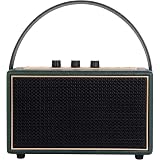
Schneider ENERZA HP60 Wireless Portable Home Audio Speaker | 60W Triple-Driver 360° Sound | Wooden Acoustic Enclosure with Bluetooth 5.4 | Splashproof | Vintage Classic Design - Jade
₹15,990.00 (as of October 10, 2026 16:56 GMT +05:30 - More infoProduct prices and availability are accurate as of the date/time indicated and are subject to change. Any price and availability information displayed on [relevant Amazon Site(s), as applicable] at the time of purchase will apply to the purchase of this product.)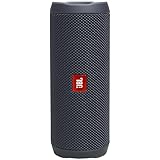
JBL Flip Essential 2, Wireless Portable Bluetooth Speaker with Deep Base, IPX7 Water & Dustproof (Without Mic, Black)
₹4,499.00 (as of October 10, 2026 16:56 GMT +05:30 - More infoProduct prices and availability are accurate as of the date/time indicated and are subject to change. Any price and availability information displayed on [relevant Amazon Site(s), as applicable] at the time of purchase will apply to the purchase of this product.)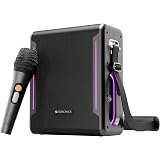
ZEBRONICS Axon 150 Portable Bluetooth Speaker, 100W RMS, Built-in Power Bank, Zeb AcoustiMax DSP, Dual Passive Radiators, Up to 7h Playback, RGB Lights, BT v5.3, USB, mSD, AUX, Wireless Mic (Black)
₹5,799.00 (as of October 10, 2026 16:56 GMT +05:30 - More infoProduct prices and availability are accurate as of the date/time indicated and are subject to change. Any price and availability information displayed on [relevant Amazon Site(s), as applicable] at the time of purchase will apply to the purchase of this product.)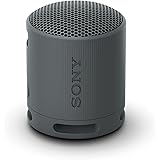
Sony SRS-XB100 Portable Bluetooth Speaker, Extra Bass, IP67 Waterproof & Dustproof, 16 Hr Battery, Hands-Free Calling, Strap – Black
₹2,489.00 (as of October 10, 2026 16:56 GMT +05:30 - More infoProduct prices and availability are accurate as of the date/time indicated and are subject to change. Any price and availability information displayed on [relevant Amazon Site(s), as applicable] at the time of purchase will apply to the purchase of this product.)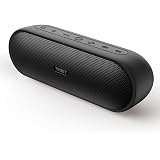
Tribit XSound Plus 2 Bluetooth Speaker, 30W, IPX7, 24H Playtime | XBass, Bluetooth 5.3, Custom EQ, Built-in Mic, Stereo TWS Pairing, for Outdoor, Home, Type-C Charging
₹4,669.00 (as of October 10, 2026 16:56 GMT +05:30 - More infoProduct prices and availability are accurate as of the date/time indicated and are subject to change. Any price and availability information displayed on [relevant Amazon Site(s), as applicable] at the time of purchase will apply to the purchase of this product.)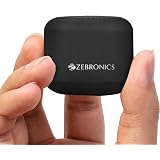
ZEBRONICS Pixie Portable Speaker, 5 Watts, Supports Bluetooth, TWS Function, mSD, Compact Design, Call Function, Carry Loop, Upto 7h Backup (Black)
₹399.00 (as of October 10, 2026 16:56 GMT +05:30 - More infoProduct prices and availability are accurate as of the date/time indicated and are subject to change. Any price and availability information displayed on [relevant Amazon Site(s), as applicable] at the time of purchase will apply to the purchase of this product.)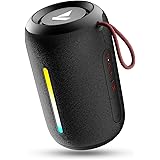
boAt Stone 352 Pro/Stone 358 Pro w/ 14W Signature Sound, Up to 12 Hours Playback, RGB LEDs, TWS Feature, Built-in Mic, BTv5.3, Free Music Streaming on JioSaavn Bluetooth Speaker (Raging Black)
₹1,399.00 (as of October 10, 2026 16:56 GMT +05:30 - More infoProduct prices and availability are accurate as of the date/time indicated and are subject to change. Any price and availability information displayed on [relevant Amazon Site(s), as applicable] at the time of purchase will apply to the purchase of this product.)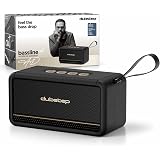
Dubstep Bassline Cut Wireless Bluetooth Speaker | 14W Stereo Sound | X-BASS Technology | RGB Lighting | Up to 8 Hours Playtime | USB Type-C Charging | Portable Speaker with Carry Lanyard | Black
₹849.00 (as of October 10, 2026 16:56 GMT +05:30 - More infoProduct prices and availability are accurate as of the date/time indicated and are subject to change. Any price and availability information displayed on [relevant Amazon Site(s), as applicable] at the time of purchase will apply to the purchase of this product.)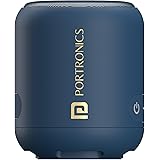
Portronics SoundDrum 1 12W TWS Portable Bluetooth Speaker with Powerful Bass, Bluetooth 5.3V, 360° Surround Sound, USB Drive in, Type C Fast Charging(Blue)
₹937.00 (as of October 10, 2026 16:56 GMT +05:30 - More infoProduct prices and availability are accurate as of the date/time indicated and are subject to change. Any price and availability information displayed on [relevant Amazon Site(s), as applicable] at the time of purchase will apply to the purchase of this product.)
boAt Stone 900 w/ 80W Signature Sound, Up to 15 Hours Playtime, IPX5 Resistant, Type-C Charging, TWS Feature, Built-in Mic, Voice Assistant Portable Wireless Bluetooth Speaker (Graphite Black)
₹4,299.00 (as of October 10, 2026 16:56 GMT +05:30 - More infoProduct prices and availability are accurate as of the date/time indicated and are subject to change. Any price and availability information displayed on [relevant Amazon Site(s), as applicable] at the time of purchase will apply to the purchase of this product.)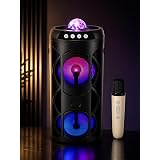
3RY PrismGlow 50W Party Speaker | Crystal RGB Dome Light | Dual Woofer | Wireless Mic | Bluetooth | TWS | USB | Type-C |
₹1,399.00 (as of October 10, 2026 16:56 GMT +05:30 - More infoProduct prices and availability are accurate as of the date/time indicated and are subject to change. Any price and availability information displayed on [relevant Amazon Site(s), as applicable] at the time of purchase will apply to the purchase of this product.)