
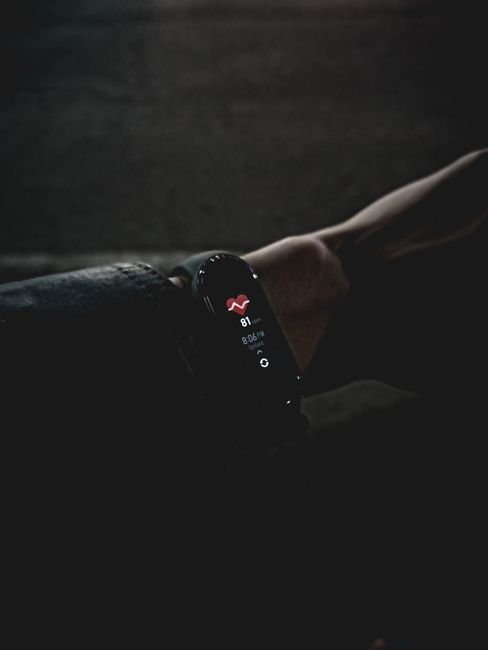
Unlocking Your Health: Smartwatch Technology for Heart Rate and SpO2 Monitoring in Men and Women
The modern smartwatch has transcended its role as a mere timekeeping device, evolving into a powerful personal health companion. Among its most significant advancements are the integrated sensors for monitoring heart rate and blood oxygen saturation (SpO2). These capabilities, once confined to clinical settings, are now readily accessible, offering both men and women unprecedented insights into their cardiovascular health and respiratory well-being. This article delves into the intricacies of smartwatch heart rate and SpO2 technology, exploring its scientific underpinnings, practical applications, and the evolving landscape of its adoption.
The Science Behind Heart Rate Monitoring:
At its core, smartwatch heart rate monitoring typically relies on photoplethysmography (PPG). This non-invasive optical technique utilizes light-emitting diodes (LEDs) to shine light into the skin and a photodetector to measure the amount of light absorbed or reflected. As the heart pumps blood, the volume of blood in the capillaries beneath the skin changes rhythmically. This fluctuation in blood volume directly impacts the amount of light that can pass through or be reflected back.
Specifically, PPG sensors emit green light, which is well-absorbed by hemoglobin, the protein in red blood cells responsible for carrying oxygen. When blood flows through the capillaries, it absorbs more green light. During diastole, when blood flow is lower, less light is absorbed. The photodetector captures these variations in light intensity, which are then processed by algorithms to calculate the heart rate in beats per minute (BPM).
Different smartwatch models may employ varying numbers and types of LEDs, as well as sophisticated signal processing techniques to filter out noise from movement, skin tone variations, and ambient light. This continuous data collection allows for the tracking of resting heart rate, heart rate during exercise, and heart rate variability (HRV), a metric that reflects the balance of the autonomic nervous system and can indicate stress levels, recovery, and overall cardiovascular fitness. For both men and women, a consistently elevated resting heart rate or significant deviations during activity can be early indicators of underlying health issues.
Demystifying SpO2 Measurement:
Blood oxygen saturation (SpO2) represents the percentage of hemoglobin in the blood that is carrying oxygen. This vital metric provides a snapshot of how effectively the lungs are transferring oxygen to the bloodstream and how efficiently the circulatory system is delivering it to the body’s tissues. Smartwatches typically measure SpO2 using a similar PPG principle but with a crucial difference: they employ red and infrared LEDs.
Red light (around 660 nm) is more readily absorbed by oxygenated hemoglobin, while infrared light (around 940 nm) is more readily absorbed by deoxygenated hemoglobin. By emitting both red and infrared light and measuring the differential absorption, smartwatch sensors can calculate the ratio of oxygenated to deoxygenated hemoglobin. This ratio is then converted into an SpO2 percentage.
The measurement is usually taken on the wrist, and while generally accurate, it can be influenced by factors such as poor circulation, excessive movement, tattoos on the wrist, and ambient light. For both men and women, maintaining an SpO2 level between 95% and 100% is considered optimal. Declining SpO2 levels, particularly during sleep or at altitude, can signal potential respiratory problems like sleep apnea, lung conditions, or even the early stages of altitude sickness.
Gender-Specific Considerations and Applications:
While the underlying technology for heart rate and SpO2 monitoring is universal, there are subtle considerations and applications that can be particularly relevant for men and women.
For Men:
Men, on average, tend to have higher resting heart rates than women due to differences in heart size and muscle mass. However, a significantly elevated heart rate for an extended period, even at rest, could be a warning sign. Smartwatches can help men track their cardiovascular response to stress, exercise, and even alcohol consumption. Furthermore, monitoring SpO2 can be beneficial for men who engage in demanding physical activities or work in environments with potential for low oxygen levels. Some studies suggest men may be at a slightly higher risk for certain cardiovascular conditions, making proactive monitoring through smartwatches even more crucial.
For Women:
Women often experience greater fluctuations in heart rate due to hormonal cycles, pregnancy, and menopause. Smartwatches can provide valuable data to help women understand these natural variations and identify any deviations that might require attention. For instance, monitoring heart rate during menstruation or pregnancy can offer insights into the body’s physiological responses. SpO2 monitoring can be particularly important for women experiencing respiratory symptoms during pregnancy or those undergoing menopause, as hormonal shifts can sometimes impact breathing patterns. Additionally, early detection of cardiovascular issues, which can sometimes present differently in women, is facilitated by consistent heart rate tracking.
Practical Applications and Health Insights:
The data gathered by smartwatches on heart rate and SpO2 translates into actionable health insights for users of all genders:
- Fitness Tracking and Optimization: Athletes and fitness enthusiasts use heart rate data to train within specific zones, optimize performance, and monitor recovery. SpO2 can indicate how well their bodies are adapting to exertion and altitude.
- Stress Management: Heart rate variability (HRV), derived from heart rate data, is a key indicator of stress. Smartwatches can alert users to elevated stress levels, prompting them to engage in relaxation techniques.
- Sleep Quality Analysis: SpO2 levels often dip during sleep, and significant drops can be indicative of sleep apnea. Smartwatches can flag these events, encouraging users to seek medical evaluation. Heart rate patterns during sleep also offer insights into sleep stages and overall restfulness.
- Early Detection of Health Issues: Consistent monitoring can help users and their healthcare providers identify potential anomalies, such as arrhythmias (irregular heartbeats) or concerning SpO2 trends, that might warrant further investigation.
- Post-Illness Recovery: For individuals recovering from illnesses that affect the respiratory or cardiovascular systems, smartwatches can provide objective data on their progress and aid in a safe return to normal activities.
- Wellness Trends: Over time, users can observe trends in their heart rate and SpO2, gaining a deeper understanding of how lifestyle choices, diet, and exercise impact their well-being.
The Evolving Landscape and Future of Smartwatch Health Monitoring:
The technology behind smartwatch heart rate and SpO2 monitoring is continuously advancing. We are seeing:
- Increased Accuracy and Reliability: Newer generations of smartwatches boast more sophisticated sensors and algorithms, leading to improved accuracy, even in challenging conditions.
- Broader Integration: Health data from smartwatches is increasingly being integrated with electronic health records (EHRs) and telehealth platforms, enabling seamless sharing with healthcare professionals.
- Advanced Analytics: Artificial intelligence (AI) and machine learning are being employed to analyze complex data patterns, providing more personalized and predictive health insights.
- New Health Metrics: The future may hold smartwatches capable of measuring even more physiological parameters, further expanding their role as comprehensive health monitors.
The accessibility and user-friendliness of smartwatch heart rate and SpO2 monitoring have democratized health tracking, empowering both men and women to take a more proactive role in understanding and managing their well-being. By leveraging these advanced technologies, individuals can gain invaluable insights into their cardiovascular and respiratory health, fostering a more informed and healthier lifestyle.