
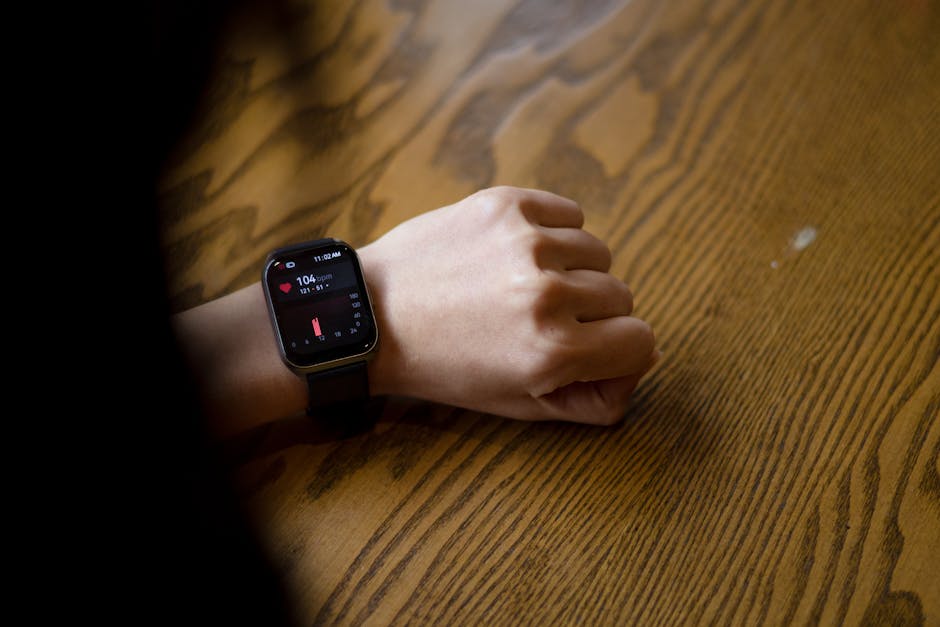
Smartwatch Shopping Guide: Heart Rate & SpO2 for All Ages
Navigating the burgeoning smartwatch market can feel overwhelming, especially when prioritizing health features like heart rate and SpO2 monitoring. These vital metrics offer a window into our well-being, from tracking fitness progress to identifying potential health concerns. This comprehensive guide will equip you with the knowledge to choose the perfect smartwatch, regardless of age, focusing on the nuances of heart rate and SpO2 tracking.
Understanding Heart Rate Monitoring: More Than Just a Number
Your heart rate, the number of times your heart beats per minute, is a fundamental indicator of cardiovascular health. Smartwatches employ optical sensors, typically green LEDs, to detect blood flow in your wrist. As blood pulses through your arteries, the LEDs reflect off your skin, and the sensor measures the changes in light absorption, translating this into your heart rate.
Accuracy is Paramount: When evaluating heart rate monitoring, consider these factors:
- Continuous vs. On-Demand: Most modern smartwatches offer continuous heart rate monitoring, providing a real-time picture of your heart’s activity throughout the day and during workouts. On-demand readings are less informative but can be useful for quick checks.
- Algorithm Sophistication: The underlying algorithms play a crucial role in filtering out noise and ensuring accurate readings. Look for smartwatches from reputable brands known for their advanced sensor technology and data processing.
- Activity Type: Heart rate accuracy can vary depending on the intensity and type of activity. High-impact exercises or movements that cause significant wrist flexion might introduce minor inaccuracies. Some smartwatches offer specialized modes for different sports to optimize readings.
- Fit and Placement: A snug, but not too tight, fit is essential. The sensor needs to be in constant contact with your skin. Wearing the watch slightly higher on your wrist (about a finger’s width above your wrist bone) can often improve accuracy.
- Skin Tone and Hair: While sensor technology has advanced, darker skin tones and excessive arm hair can sometimes impact optical sensor readings. Research reviews that specifically address performance across different skin types if this is a concern.
- ECG Capability (Advanced Feature): Some premium smartwatches offer Electrocardiogram (ECG) functionality. This goes beyond basic heart rate monitoring by creating a single-lead ECG tracing, which can help detect irregularities like atrial fibrillation (AFib). While not a diagnostic tool on its own, it can be a valuable alert system for users concerned about heart rhythm.
Heart Rate Zones for Fitness Optimization: Understanding your heart rate zones is crucial for effective training. Smartwatches can automatically calculate these zones based on your age and resting heart rate, or allow for manual input. Common zones include:
- Warm-up/Cool-down: Low intensity, preparing your body or aiding recovery.
- Fat Burn: Moderate intensity, where your body primarily uses fat for fuel.
- Cardio: Vigorous intensity, improving cardiovascular endurance.
- Peak: Maximum effort, for short bursts of intense activity.
SpO2 Monitoring: The Pulse Oximeter on Your Wrist
Blood oxygen saturation (SpO2) measures the percentage of oxygen carried by your red blood cells. This metric is vital for understanding how efficiently your body is delivering oxygen to your tissues. Smartwatches use photoplethysmography (PPG) with red and infrared light to measure SpO2. Red light is absorbed by oxygenated blood, while infrared light is absorbed by deoxygenated blood. By analyzing the differences, the watch calculates your SpO2 level.
Key Considerations for SpO2 Tracking:
- Purpose of Monitoring: SpO2 monitoring on smartwatches is generally for wellness and fitness tracking, not medical diagnosis. While it can provide valuable insights, it should not replace medical-grade pulse oximeters or professional medical advice.
- Accuracy Limitations: SpO2 readings on smartwatches can be influenced by similar factors as heart rate monitoring: movement, skin tone, and fit. They are generally less accurate than medical-grade devices, especially during intense activity or in low-oxygen environments.
- Overnight Tracking: Many smartwatches offer overnight SpO2 tracking, providing insights into your blood oxygen levels during sleep. This can be particularly useful for identifying potential sleep disturbances like sleep apnea, though it’s crucial to consult a doctor for diagnosis.
- Altitude Tracking: Some smartwatches can estimate your altitude and correlate it with SpO2 readings, helping you understand how high-altitude environments affect your oxygen levels.
- Trends Over Time: The true value of SpO2 monitoring on a smartwatch lies in observing trends. Significant drops or consistently low readings, especially when combined with other symptoms, might warrant a conversation with your healthcare provider.
Smartwatch Features for Different Age Groups:
For Children and Teens:
- Focus on Activity and Basic Health: For younger users, smartwatches should prioritize activity tracking (steps, active minutes), sleep monitoring, and basic heart rate tracking.
- Durability and Safety: Look for rugged designs with water resistance and durable straps. Parental controls and GPS tracking for safety are also significant considerations.
- Simple Interface: Intuitive interfaces with engaging visuals are key for younger users.
- SpO2 for General Wellness: While not critical, SpO2 can offer a basic understanding of their body’s oxygenation during sleep or rest.
For Adults (20s-50s):
- Comprehensive Fitness Tracking: This demographic often seeks advanced fitness metrics. Look for smartwatches with detailed workout tracking, GPS, VO2 Max estimation, and recovery time suggestions.
- Continuous Heart Rate and SpO2: Essential for optimizing workouts, monitoring stress levels, and tracking sleep quality.
- Stress Management Tools: Features like guided breathing exercises and stress tracking can be beneficial.
- Smart Features: Notifications, music control, contactless payments, and app integration are highly valued.
- ECG Capability (Optional but Recommended): For those with a family history of heart issues or who are highly health-conscious, ECG adds an extra layer of proactive monitoring.
For Seniors (60+):
- Fall Detection and Emergency SOS: These are paramount safety features. In case of a fall, the watch can automatically alert emergency contacts or services.
- Simplified Interface and Larger Display: Ease of use is critical. Large, clear fonts and intuitive navigation are essential.
- Medication Reminders: A valuable feature for managing multiple medications.
- Heart Rate and SpO2 for Health Monitoring: Regular monitoring of heart rate and SpO2 can provide early warnings of potential health issues.
- GPS for Location Tracking: Peace of mind for both seniors and their families.
- Long Battery Life: Reduces the frequency of charging, which can be a challenge for some.
- Comfortable and Secure Fit: Especially important for prolonged wear.
Choosing the Right Smartwatch: A Practical Approach
- Define Your Priorities: What health metrics are most important to you? What other features do you need (notifications, GPS, music)?
- Set a Budget: Smartwatches range from budget-friendly to premium. Determine how much you’re willing to spend.
- Research Brands and Models: Read reviews from reputable tech websites and user forums. Pay attention to accuracy claims for heart rate and SpO2.
- Consider Ecosystem Compatibility: If you use an iPhone, an Apple Watch will offer the most seamless integration. For Android users, a wide range of Wear OS watches and other proprietary OS options are available.
- Try Before You Buy (If Possible): Visit a store to feel the watch on your wrist, assess its size, weight, and screen readability.
- Look for Key Health Features:
- Heart Rate: Continuous tracking, heart rate zones, high/low heart rate alerts.
- SpO2: Overnight tracking, resting SpO2 readings.
- ECG (Optional): For advanced heart rhythm monitoring.
- Fall Detection & Emergency SOS (Especially for Seniors).
- Battery Life: Consider how often you’re willing to charge your watch.
- Durability and Water Resistance: Essential for active lifestyles and everyday wear.
By understanding the capabilities and limitations of heart rate and SpO2 monitoring, and by considering the specific needs of different age groups, you can confidently select a smartwatch that empowers you to take control of your health and well-being.