
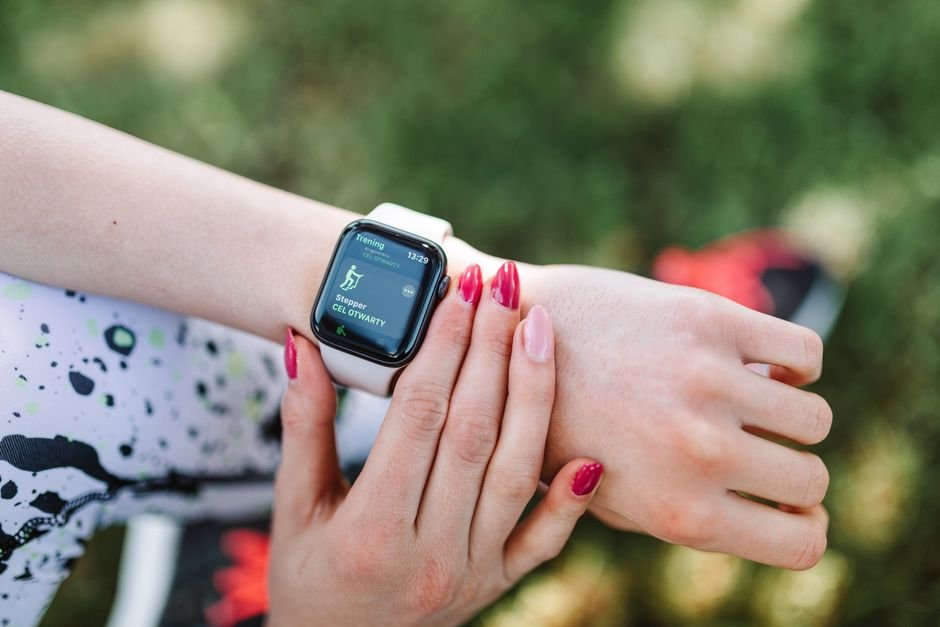
AI Smartwatch: Revolutionizing Health Monitoring on Your Wrist
The humble wristwatch has undergone a remarkable transformation, evolving from a timekeeping device to a powerful personal assistant and, most significantly, a sophisticated health monitoring tool. At the forefront of this revolution are AI-powered smartwatches, integrating artificial intelligence to offer unprecedented insights into our well-being, right on our wrists. These intelligent wearables are no longer just tracking steps; they are becoming proactive partners in our health journeys, capable of detecting subtle anomalies, predicting potential issues, and empowering users with actionable data.
The core of this paradigm shift lies in the AI algorithms that process the vast amounts of biometric data collected by a smartwatch’s array of sensors. Traditional smartwatches gather information like heart rate, steps taken, calories burned, and sleep patterns. However, AI elevates this data from mere statistics to meaningful diagnostics. Machine learning models analyze these metrics in real-time, identifying trends, deviations from personal baselines, and correlations that a human observer might miss. For instance, an AI can learn your typical resting heart rate and sleep quality, flagging even minor, consistent shifts that could indicate stress, illness, or an impending health concern long before you consciously feel unwell.
One of the most impactful applications of AI in smartwatches is in cardiovascular health monitoring. Advanced optical sensors, commonly known as photoplethysmography (PPG), measure blood flow through the wrist. AI algorithms then interpret these signals to detect irregular heart rhythms, such as atrial fibrillation (AFib), a common and potentially dangerous condition that can lead to stroke. Features like ECG (electrocardiogram) sensors, increasingly integrated into high-end smartwatches, allow for more precise cardiac assessments. AI analyzes these ECG readings, identifying potential arrhythmias with remarkable accuracy, providing users with early warnings and encouraging them to seek professional medical advice. This proactive detection can be life-saving, especially for individuals unaware of their risk factors.
Beyond heart health, AI smartwatches are making significant strides in understanding sleep. Sleep is a critical pillar of overall health, and AI can provide a far more nuanced analysis than simple duration tracking. By monitoring heart rate variability, breathing patterns, and movement during sleep, AI algorithms can identify different sleep stages (light, deep, REM) and detect disturbances like sleep apnea. Identifying sleep apnea, a condition where breathing repeatedly stops and starts during sleep, is crucial as it’s linked to numerous health problems, including hypertension, heart disease, and diabetes. An AI smartwatch can alert users to potential sleep apnea, prompting them to consult a doctor for diagnosis and treatment. Furthermore, AI can offer personalized sleep hygiene recommendations based on individual sleep patterns, helping users optimize their rest and improve their overall health.
The integration of AI also extends to stress management. Our bodies exhibit physiological responses to stress, including changes in heart rate, heart rate variability, and even skin conductance (though not all smartwatches measure this). AI can analyze these subtle physiological cues to assess stress levels throughout the day. By identifying patterns of elevated stress, AI can prompt users to engage in mindfulness exercises, breathing techniques, or simply take a break. This continuous, real-time stress monitoring empowers individuals to become more aware of their triggers and develop healthier coping mechanisms, contributing to improved mental well-being and reduced risk of chronic stress-related illnesses.
Glucose monitoring, a cornerstone of diabetes management, is another area where AI is poised to revolutionize health tracking. While non-invasive continuous glucose monitoring (CGM) is still an emerging technology, early research and development suggest that AI-powered smartwatches could play a pivotal role. By analyzing sweat composition, skin temperature, and other physiological markers, AI algorithms may eventually be able to estimate blood glucose levels without the need for finger pricks. This would be a monumental advancement for individuals with diabetes, offering a more convenient and less painful way to manage their condition, leading to better adherence to treatment plans and improved long-term health outcomes.
Furthermore, AI smartwatches are becoming increasingly adept at detecting early signs of infectious diseases. By monitoring changes in resting heart rate, body temperature, and respiratory rate, AI can identify deviations that might indicate the onset of an illness, even before symptoms become apparent. This capability was highlighted during the COVID-19 pandemic, where studies suggested that wearable devices could potentially detect infections days before individuals developed symptoms, allowing for earlier isolation and reduced transmission. While this technology is still evolving, the potential for AI-powered early disease detection is immense, offering a new layer of public health surveillance.
The personalization offered by AI is a key differentiator. Instead of providing generic health advice, AI algorithms learn from an individual’s unique physiology and lifestyle. This means that health insights and recommendations are tailored to the specific user, making them more relevant and effective. For example, an AI might suggest a specific workout intensity based on your current recovery status, or recommend a particular bedtime based on your historical sleep patterns and daily activity. This personalized approach fosters greater engagement and adherence to health goals, transforming the smartwatch from a passive tracker to an active health coach.
The continuous evolution of AI and sensor technology promises even more advanced health monitoring capabilities in the future. We can anticipate AI-powered smartwatches that can detect early signs of neurological conditions, monitor hydration levels, assess fall risk in the elderly, and even provide insights into reproductive health. The miniaturization of sophisticated sensors and the advancements in wearable AI processing power are rapidly pushing the boundaries of what’s possible.
However, the widespread adoption and trust in AI smartwatches for health monitoring also raise important considerations. Data privacy and security are paramount. Users need to be assured that their sensitive health data is protected and used ethically. Transparency in how AI algorithms work and what data they are collecting is also crucial for building user confidence. Furthermore, it’s important to remember that AI smartwatches are not a substitute for professional medical diagnosis and treatment. They are powerful tools for empowering individuals with information, but any significant health concerns should always be discussed with a qualified healthcare provider.
In conclusion, AI smartwatches are rapidly transforming health monitoring from a reactive process to a proactive and personalized experience. By leveraging the power of artificial intelligence, these intelligent wearables are providing individuals with unprecedented insights into their cardiovascular health, sleep quality, stress levels, and much more. As technology continues to advance, AI smartwatches are set to become even more indispensable tools in our pursuit of a healthier and more informed life, truly revolutionizing health monitoring on our wrists.