
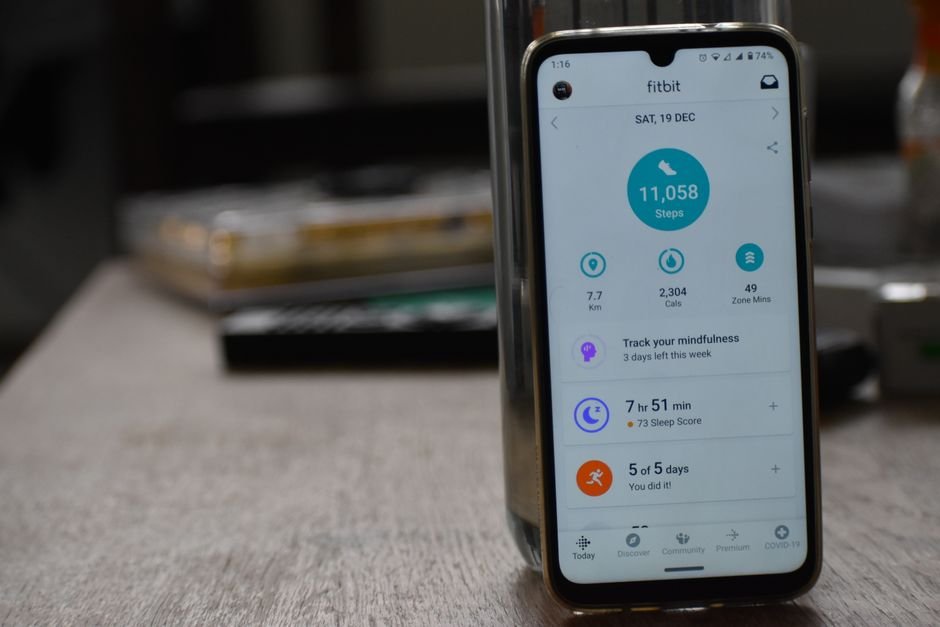
Unlocking Your Potential: The Power of Sleep Tracking with Fitness Bands
In the relentless pursuit of optimal health and peak performance, we often focus on the tangible: the steps taken, the calories burned, the heart rate elevated. Yet, a silent, often overlooked pillar of well-being holds immense power – sleep. Modern fitness bands, once primarily step counters, have evolved into sophisticated wellness companions, with their sleep-tracking capabilities emerging as a revelation for users seeking a holistic approach to fitness. Understanding and leveraging the data these devices provide can unlock a profound understanding of your body’s recovery, readiness, and overall health trajectory.
The evolution of fitness bands from simple pedometers to comprehensive health monitors is a testament to technological advancement. While step counting remains a core function, the integration of advanced sensors like accelerometers, gyroscopes, and even optical heart rate monitors has paved the way for accurate sleep stage detection. These bands don’t just tell you how long you slept; they delve into the quality of your rest by identifying periods of light sleep, deep sleep, and REM (Rapid Eye Movement) sleep. Each stage plays a crucial role in physical and mental restoration, and by tracking them, you gain invaluable insights into your body’s natural cycles.
Deciphering the Sleep Stages: A Deeper Dive
Light Sleep: This is the initial stage of sleep, characterized by a slowing heart rate and relaxed muscles. It constitutes a significant portion of our sleep time and is essential for memory consolidation and cognitive function. Fitness bands typically detect light sleep by observing changes in movement and heart rate variability.
Deep Sleep: Often referred to as slow-wave sleep, this is the most restorative stage. During deep sleep, the body repairs tissues, builds muscle, and strengthens the immune system. It’s also critical for physical recovery from intense workouts. Tracking deep sleep duration can reveal whether your body is getting the necessary downtime to rebuild and adapt. Low deep sleep can be a significant impediment to muscle growth and injury prevention.
REM Sleep: This stage is characterized by rapid eye movements, increased brain activity, and vivid dreaming. REM sleep is vital for emotional regulation, learning, and problem-solving. It’s also believed to play a role in consolidating procedural memories, like those learned through physical activities. Insufficient REM sleep can lead to mood disturbances, impaired cognitive function, and reduced creativity.
How Fitness Bands Track Sleep:
The magic lies in the sophisticated algorithms that analyze data from the band’s sensors.
- Accelerometers and Gyroscopes: These sensors detect movement. During sleep, your body naturally moves less. Subtle shifts in position, tossing, and turning are registered, helping the band differentiate between wakefulness and different sleep stages. Periods of stillness coupled with specific movement patterns are indicative of deeper sleep stages.
- Heart Rate Variability (HRV): HRV measures the variation in time between heartbeats. It’s a powerful indicator of the autonomic nervous system’s activity, which is closely linked to sleep quality. During restorative sleep, particularly deep sleep, HRV tends to be higher and more regular. As the band monitors your heart rate throughout the night, it analyzes these subtle fluctuations to infer your sleep stage.
- Optical Heart Rate Sensors: Many modern bands use photoplethysmography (PPG) to measure heart rate. Changes in blood flow under the skin are detected, providing continuous heart rate data that further informs sleep stage analysis.
Beyond the Numbers: Actionable Insights for Fitness Enthusiasts
The true power of sleep tracking lies not just in collecting data, but in interpreting it and translating it into actionable strategies to enhance your fitness journey.
- Optimizing Workout Recovery: Are you consistently feeling fatigued after intense training sessions? Your sleep data might hold the answer. If your deep sleep percentage is low, it suggests your body isn’t getting adequate time for physical repair. This could necessitate adjusting your training intensity, duration, or incorporating more active recovery days. Conversely, consistently high deep sleep might indicate your current recovery protocols are effective.
- Identifying Overtraining: Overtraining can manifest in various ways, including persistent fatigue, decreased performance, and irritability. Poor sleep quality, particularly a reduction in deep and REM sleep, can be an early warning sign. By monitoring your sleep patterns alongside your training load, you can proactively identify signs of overtraining and make necessary adjustments before burnout sets in.
- Enhancing Performance: Sleep is not just about recovery; it’s about preparation. Adequate and restorative sleep primes your body and mind for optimal performance. By understanding your sleep cycles, you can identify your peak readiness times. For instance, if you consistently experience higher energy levels and better cognitive function after a night of quality REM sleep, you might schedule your most demanding workouts or strategic planning sessions during those periods.
- Improving Sleep Hygiene: The data from your fitness band can be a powerful motivator to improve your sleep habits. If you notice consistently poor sleep quality on nights when you consume caffeine late, engage in screen time before bed, or have an irregular sleep schedule, you’ll have concrete evidence to encourage positive changes. This might involve establishing a consistent bedtime routine, creating a sleep-conducive environment, and limiting stimulating activities before sleep.
- Understanding Individual Variation: Everyone’s sleep needs are unique. What constitutes optimal sleep for one person may differ for another. Fitness bands allow you to track your personal sleep patterns over time, helping you understand what works best for your body. This personalized approach is far more effective than adhering to generic sleep recommendations.
- Detecting Potential Health Issues: While not a diagnostic tool, consistent patterns of extremely poor sleep, such as prolonged periods of wakefulness or unusually low sleep stages, could prompt you to consult a healthcare professional. Sleep disturbances can sometimes be indicative of underlying medical conditions.
Maximizing Your Sleep Tracking Experience:
To truly harness the power of your fitness band’s sleep tracking capabilities, consider these best practices:
- Wear Your Band Consistently: For accurate data, wear your band every night. Inconsistent wear will lead to fragmented and unreliable data.
- Ensure Proper Fit: A loose band can lead to inaccurate heart rate readings and movement detection, impacting sleep stage analysis.
- Sync Regularly: Sync your band with its companion app frequently to view your data and identify trends.
- Look for Trends, Not Just Single Nights: A single night of poor sleep is often an anomaly. Focus on identifying consistent patterns over weeks and months.
- Combine with Other Metrics: Integrate your sleep data with your activity levels, nutrition, and perceived energy levels for a more comprehensive understanding of your well-being.
- Experiment and Adapt: Use the data to make small, incremental changes to your lifestyle and training, and observe how they impact your sleep quality.
- Don’t Obsess: While valuable, sleep data should not become a source of anxiety. Aim for consistency and improvement, but understand that occasional fluctuations are normal.
The integration of sophisticated sleep tracking into everyday fitness bands has democratized access to a critical aspect of health. By understanding the science behind sleep stages and actively engaging with the data provided by these devices, individuals can move beyond simply counting steps and embark on a journey of holistic well-being, unlocking their true potential for fitness, recovery, and overall vitality. The silent power of sleep, once a mystery, is now within your grasp, illuminated by the data on your wrist.