
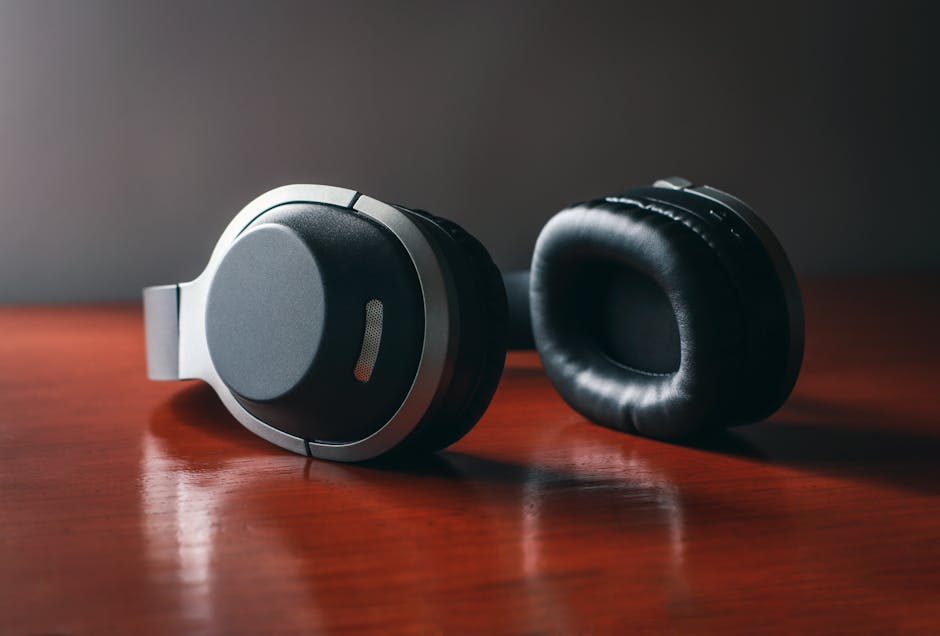
Your Ultimate Guide to Buying Noise-Cancelling Over-Ear Headphones
The symphony of silence, the immersive soundtrack to your life, the escape from the everyday cacophony – noise-cancelling over-ear headphones offer a gateway to a more focused and enjoyable audio experience. Whether you’re a frequent flyer battling engine roar, a remote worker seeking concentration, or an audiophile craving unadulterated sound, investing in a quality pair can be transformative. This comprehensive guide will navigate you through the labyrinth of features, technologies, and considerations to help you find your perfect sonic sanctuary.
Understanding Active Noise Cancellation (ANC) Technology:
At the heart of these headphones lies Active Noise Cancellation (ANC). Unlike passive noise isolation, which relies on the physical seal of earcups to block sound, ANC actively combats ambient noise. It works by employing tiny microphones on the exterior of the earcups to detect incoming sound waves. These microphones then feed this information to an internal processor, which generates an “anti-sound” wave – an inverse replica of the ambient noise. When these two waves meet, they effectively cancel each other out, leaving you with a significantly quieter environment.
There are generally two types of ANC:
- Feedforward ANC: Microphones are placed on the outer surface of the earcups. This method is effective at reducing a broad range of frequencies but can be susceptible to wind noise.
- Feedback ANC: Microphones are placed inside the earcups, near the speaker. This allows for more precise cancellation of the noise that actually reaches your ear, resulting in a more refined and effective reduction.
Many premium headphones utilize a hybrid ANC approach, combining both feedforward and feedback microphones for optimal performance across various noise profiles. Look for headphones with adjustable ANC levels, allowing you to tailor the cancellation to your surroundings. Some even offer “transparency modes” or “ambient sound modes,” which use the microphones to selectively let in external sounds – crucial for situational awareness when walking, cycling, or needing to hear announcements.
Key Features to Consider:
Beyond ANC, a plethora of features contribute to the overall user experience. Prioritize these based on your needs:
- Sound Quality: This is paramount. Look for headphones with well-balanced audio profiles, clear highs, rich mids, and impactful bass. Consider the driver size (larger drivers generally produce more powerful sound) and the frequency response range (a wider range indicates more detailed audio reproduction). Audiophiles might seek support for high-resolution audio codecs like LDAC or aptX HD, which transmit more data for superior fidelity.
- Comfort and Fit: Over-ear headphones should feel comfortable for extended listening sessions. Pay attention to earcup material (plush protein leather or memory foam are common and comfortable), headband padding, and the clamping force. The earcups should fully enclose your ears without excessive pressure. Adjustable headbands are essential for achieving a secure and comfortable fit.
- Battery Life: Noise cancellation is power-hungry. Expect ANC to reduce battery life compared to passive listening. Look for a minimum of 20-30 hours of playback with ANC enabled. Fast charging capabilities are a significant convenience, allowing you to get several hours of listening time from a short charge.
- Connectivity: Bluetooth is the standard for wireless freedom. Consider the Bluetooth version (5.0 and above offer improved stability, range, and power efficiency) and the supported codecs. Multipoint connectivity, allowing you to connect to two devices simultaneously (e.g., your phone and laptop), is a game-changer for multitasking.
- Controls and User Interface: Intuitive controls are crucial. Physical buttons are reliable, while touch controls offer a sleeker aesthetic but can sometimes be prone to accidental activation. Look for dedicated ANC controls, volume adjustments, playback management, and voice assistant access. Companion apps often provide advanced customization options, EQ adjustments, and firmware updates.
- Build Quality and Durability: Headphones are an investment. Opt for sturdy materials like high-quality plastics, aluminum, or even leather accents. Hinges and earcups should feel robust. Many premium models come with carrying cases for protection during travel.
- Microphone Quality: If you intend to use your headphones for calls, check reviews regarding microphone clarity. Some headphones employ beamforming microphones and noise reduction algorithms to ensure your voice is heard clearly even in noisy environments.
- Portability: While over-ear headphones are generally larger, some models offer foldable designs for easier storage and transport. Carrying cases are also vital for protecting your investment on the go.
Top Noise-Cancelling Over-Ear Headphones Categories and Recommendations:
The market is brimming with excellent options, each catering to different priorities. Here are some of the leading categories and exemplary models:
-
Premium All-Rounders (Best for Travelers & General Use): These headphones excel in ANC, sound quality, comfort, and features.
- Sony WH-1000XM5: Renowned for industry-leading ANC, exceptional sound quality, comfortable design, and impressive battery life. Features advanced AI for adaptive sound and excellent call quality.
- Bose QuietComfort Ultra Headphones: Bose has long been a pioneer in ANC. These offer a supremely comfortable fit, excellent noise cancellation, and a balanced, refined sound signature.
- Apple AirPods Max: For Apple ecosystem users, these offer a premium build, immersive spatial audio, excellent ANC, and seamless integration. However, they come at a higher price point.
-
Audiophile-Focused (Prioritizing Sound Fidelity): While still offering ANC, these models place a greater emphasis on uncompromised audio reproduction.
- Sennheiser Momentum 4 Wireless: Delivers a rich, detailed, and engaging sound profile with impressive ANC and a very long battery life. A strong contender for those who value both sound and silence.
- Bowers & Wilkins PX8: Offers a sophisticated sound signature with excellent clarity and detail, coupled with effective ANC and a luxurious build.
-
Budget-Friendly ANC (Excellent Value): These headphones provide a compelling ANC experience without breaking the bank.
- Anker Soundcore Space Q45: Often lauded for punching above its weight class, offering strong ANC, good sound quality, and a comfortable fit at a very competitive price.
- Sennheiser ACCENTUM Wireless: A more affordable option from Sennheiser, still delivering a good balance of ANC, sound quality, and battery life.
Testing and Evaluating Noise Cancellation:
When trying out headphones, simulate your typical listening environments.
- Office/Home Office: Play ambient office noise or conversations.
- Travel: Consider playing engine noise or airport announcements.
- Public Transport: Recreate the rumble of a bus or train.
Pay attention to how well the headphones reduce different types of noise. Low-frequency hums (like airplane engines) are generally easier to cancel than sudden, sharp noises (like a door slamming).
The Importance of Fit and Comfort:
Even the best-sounding headphones will be a disappointment if they’re uncomfortable. Spend time wearing the headphones, tilting your head, and moving around. Ensure there are no pressure points on your ears or the top of your head. Check if the earcups create a good seal around your ears.
Understanding Bluetooth Codecs:
While not always a headline feature, Bluetooth codecs play a role in sound quality for wireless audio.
- SBC (Subband Coding): The most basic and universally compatible codec. Found on almost all Bluetooth devices.
- AAC (Advanced Audio Coding): Commonly used by Apple devices, offering better quality than SBC.
- aptX (and its variants like aptX HD, aptX Adaptive): Developed by Qualcomm, these offer progressively better audio quality and lower latency. aptX HD is ideal for high-resolution audio. aptX Adaptive dynamically adjusts to provide optimal sound and latency based on your environment.
- LDAC: Sony’s proprietary codec, capable of transmitting high-resolution audio at very high bitrates, often considered the best for wireless fidelity.
For the best wireless audio experience, ensure both your headphones and your source device (smartphone, tablet) support the same advanced codecs.
When to Prioritize Passive Noise Isolation:
While ANC is the star of the show, passive noise isolation remains important. A good physical seal from the earcups can block out a significant amount of ambient noise, even without ANC engaged. This is particularly beneficial for very high-frequency sounds or when you want to conserve battery life.
Maintenance and Care:
To ensure your noise-cancelling headphones last and perform optimally:
- Cleaning: Regularly wipe down the earcups and headband with a soft, dry cloth. For more stubborn grime, a slightly damp cloth can be used, but avoid getting moisture into any ports or speaker grilles.
- Storage: When not in use, store your headphones in their protective case to prevent scratches and damage.
- Battery Health: Avoid fully draining the battery regularly. For long-term storage, charge the headphones to around 50-60%.
By understanding the nuances of noise-cancelling technology, prioritizing key features, and considering your individual needs, you can confidently embark on the journey to find your ultimate pair of noise-cancelling over-ear headphones and unlock a world of immersive, distraction-free listening.