
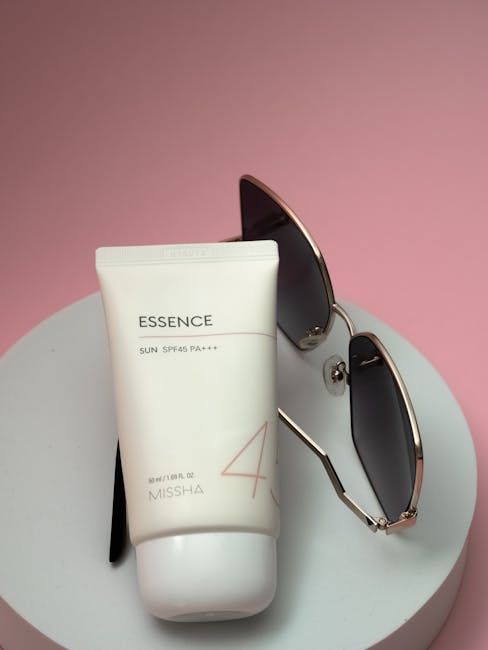
UV Protection Sunglasses: Your Essential Guide to Eye Health and Style
The sun, a life-giving celestial body, also emits powerful ultraviolet (UV) radiation that poses significant risks to our eyes. While the aesthetic appeal and fashion statement of sunglasses are undeniable, their most crucial function lies in safeguarding our vision. This comprehensive guide delves into the world of UV protection sunglasses, empowering you to make informed choices for optimal eye health and enduring style.
Understanding the Invisible Threat: UV Radiation and Your Eyes
Ultraviolet radiation is categorized into three main types: UVA, UVB, and UVC. While UVC is largely absorbed by the Earth’s ozone layer, UVA and UVB rays penetrate the atmosphere and reach our eyes, causing cumulative damage over time.
-
UVA Rays: These longer wavelength rays penetrate deeper into the eye, reaching the lens and retina. Chronic exposure to UVA radiation is linked to the development of cataracts, a clouding of the lens that impairs vision, and macular degeneration, a leading cause of irreversible blindness. UVA rays also contribute to photoaging of the delicate skin around the eyes, leading to wrinkles and premature aging.
-
UVB Rays: These shorter wavelength rays are more intense and primarily affect the outer layers of the eye, including the cornea and conjunctiva. Short-term exposure can result in photokeratitis, a painful condition often referred to as “snow blindness” or “sunburn of the eye.” Long-term, cumulative UVB exposure significantly increases the risk of developing skin cancer on the eyelids and around the eyes, as well as contributing to pterygium, a fleshy growth on the conjunctiva.
The Crucial Role of UV Protection in Sunglasses
Not all sunglasses are created equal. The tint or color of the lenses has no bearing on their UV protection capabilities. A dark lens might reduce glare, making the sunglasses feel more comfortable, but it doesn’t inherently block UV rays. The true measure of protection lies in the lens’s ability to filter out harmful UV radiation.
-
100% UV Protection: This is the gold standard. Sunglasses labeled “100% UV protection” or “UV400” effectively block all harmful UVA and UVB rays up to 400 nanometers. This is the most critical factor to consider when purchasing sunglasses, regardless of price or brand. Always look for this labeling on the sunglasses themselves or their packaging.
-
Beyond UV Protection: Other Lens Technologies
While UV protection is paramount, several other lens technologies can enhance your sunglasses’ functionality and comfort:
*   **Polarization:** Polarized lenses reduce glare from reflective surfaces like water, snow, and roads. This is achieved by a special filter that blocks horizontally polarized light, which is responsible for most glare. This is particularly beneficial for drivers, skiers, and anyone who spends time near water.

*   **Photochromic Lenses:** These lenses automatically darken in bright sunlight and become clear indoors or in low light conditions. They offer convenience by eliminating the need to switch between different pairs of glasses but may not darken as effectively in very cold temperatures or behind a car windshield.

*   **Anti-Reflective Coating:** This coating reduces reflections on the inner surface of the lenses, improving visual clarity and reducing eye strain, especially in bright conditions.

*   **Scratch-Resistant Coating:** While not a substitute for careful handling, this coating helps protect lenses from minor scratches, prolonging their lifespan.
Choosing the Right Sunglasses: Factors to Consider
Selecting the ideal pair of UV protection sunglasses involves a multifaceted approach, encompassing both practical needs and personal preferences.
-
Lens Coverage and Frame Style: The larger the lens area and the closer the sunglasses fit to your face, the more effectively they will shield your eyes from peripheral UV rays. Wraparound styles and oversized frames offer superior protection. Consider your facial structure and opt for frames that complement your features while providing ample coverage.
-
Lens Material:
- Polycarbonate: Lightweight, impact-resistant, and naturally blocks UV rays. A popular choice for sports and children’s eyewear due to its durability.
- Trivex: Similar to polycarbonate in terms of impact resistance and UV protection but offers superior optical clarity and is lighter.
- Glass: Provides excellent optical clarity and scratch resistance but is heavier and more prone to shattering. Ensure glass lenses have an added UV-blocking treatment.
- CR-39 (Plastic): A common and affordable lens material that requires an additional UV-blocking coating to offer full protection.
-
Lens Color: While color doesn’t affect UV protection, it can influence visual perception and comfort.
- Gray: Reduces brightness without distorting colors. Ideal for everyday wear and driving.
- Brown/Amber: Enhances contrast and depth perception, making them suitable for variable light conditions and outdoor activities like golf and fishing.
- Green: Offers good contrast and color accuracy, similar to gray but with a slightly warmer tone.
- Yellow/Orange: Enhances contrast in low-light conditions, making them popular for skiing and cycling on overcast days.
-
Fit and Comfort: Sunglasses should feel secure and comfortable on your face without pinching or sliding down. Test the nose pads and temple arms to ensure a good fit.
-
Purpose and Activity: Consider the primary use of your sunglasses. For intense outdoor sports, prioritize durability, impact resistance, and superior coverage. For casual wear, style and comfort might be equally important.
Protecting Children’s Eyes: A Special Emphasis
Children’s eyes are particularly vulnerable to UV damage due to their larger pupils and clearer lenses, which allow more UV radiation to penetrate. It’s crucial to instill good habits early on.
- Invest in Quality: Always purchase sunglasses for children that offer 100% UV protection. Don’t compromise on this essential feature.
- Encourage Wear: Make wearing sunglasses a habit. Lead by example and explain to your children why it’s important for their eye health.
- Durable Options: Children’s sunglasses should be robust and able to withstand active play. Polycarbonate lenses are an excellent choice.
- Proper Fit: Ensure the sunglasses fit your child comfortably and securely, providing adequate coverage.
Beyond Sunglasses: Holistic Eye Protection
While UV protection sunglasses are indispensable, they are part of a broader approach to safeguarding your vision.
- Seek Shade: Whenever possible, limit direct sun exposure, especially during peak UV hours (typically 10 am to 4 pm).
- Wear a Hat: A wide-brimmed hat can provide an additional layer of protection for your eyes and face.
- Regular Eye Exams: Schedule annual eye examinations with an ophthalmologist or optometrist. They can detect early signs of UV-related eye damage and recommend appropriate care.
- Be Aware of Reflective Surfaces: Water, sand, snow, and concrete can reflect significant amounts of UV radiation, increasing your exposure.
Debunking Common Myths about Sunglasses
-
Myth: Darker lenses offer more UV protection.
- Fact: Lens darkness only affects visible light, not UV protection. Always check for the UV400 or 100% UV protection label.
-
Myth: You only need sunglasses on sunny days.
- Fact: UV rays are present even on cloudy days. Clouds can filter some visible light, making it seem less bright, but UV radiation still penetrates.
-
Myth: Sunglasses are only for summer.
- Fact: UV radiation is a year-round threat. UV exposure can be significant in winter, especially with reflection from snow.
-
Myth: Expensive sunglasses are always better.
- Fact: Price does not always correlate with UV protection. Many affordable sunglasses offer excellent UV protection. Focus on the UV rating.
By understanding the risks associated with UV radiation and prioritizing sunglasses with 100% UV protection, you are investing in your long-term eye health. Combine this with other protective measures and regular eye care, and you can enjoy the sunshine with confidence and clarity for years to come.