
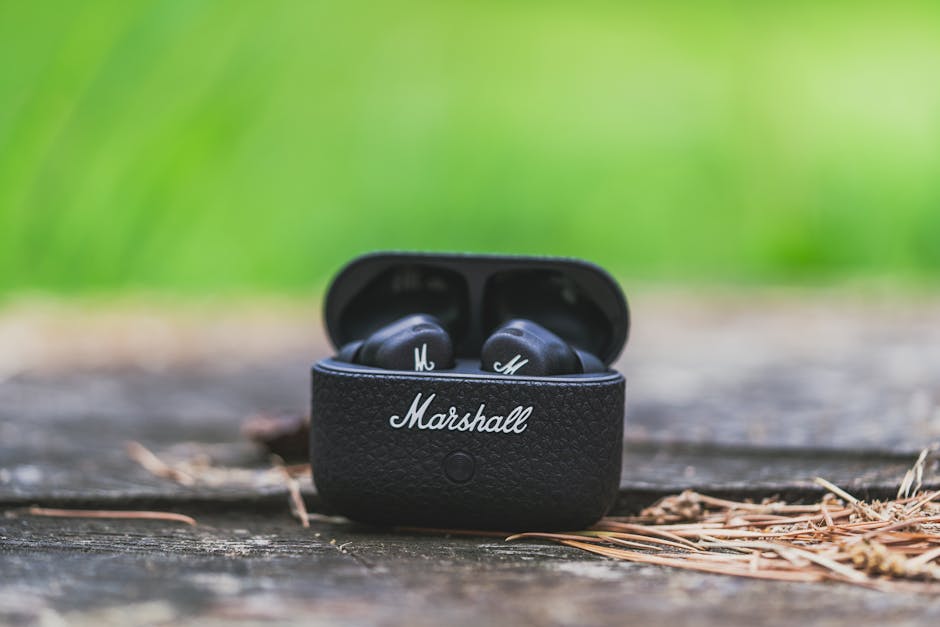
The Future of Sound: Advanced Features in Noise Cancelling Earbuds
The humble earbud has undergone a remarkable transformation, evolving from a simple conduit for audio into sophisticated personal soundscapes. At the forefront of this revolution is advanced noise cancellation, a technology that is rapidly pushing the boundaries of what we expect from portable audio. Beyond simply silencing the world, the future of noise-cancelling earbuds is being shaped by intelligent features that offer unprecedented control, personalization, and even enhanced auditory experiences.
Beyond Basic Silence: Adaptive Noise Cancellation (ANC) Matures
The cornerstone of modern noise-cancelling earbuds is Active Noise Cancellation (ANC). However, the next generation of ANC is moving beyond a one-size-fits-all approach. Adaptive ANC is the key differentiator. Instead of applying a static level of cancellation, these earbuds employ an array of microphones and sophisticated algorithms to analyze the surrounding environment in real-time. This means that as you move from a quiet office to a bustling street, or from a train to an airplane cabin, the ANC will dynamically adjust its intensity and frequency response to counteract the specific noises you encounter. This not only provides more effective noise reduction but also prevents the sensation of ‘pressure’ or ‘muffled’ sound that can sometimes accompany older ANC implementations. Expect to see more granular control over adaptive profiles, allowing users to fine-tune how the earbuds respond to different sound environments.
Personalized Sound Profiles: Tailoring Audio to Your Unique Hearing
Our ears are as unique as our fingerprints. Recognizing this, the future of noise-cancelling earbuds lies in personalized sound profiles. Leveraging advanced audio processing and sometimes even in-ear calibration tests, these earbuds can create an audio signature precisely matched to your individual hearing capabilities. This goes beyond simple EQ adjustments. By measuring your sensitivity to different frequencies, personalized sound profiles can compensate for subtle hearing losses or enhance specific ranges, delivering a richer, more detailed, and more immersive listening experience. Imagine music that sounds exactly as the artist intended, or podcasts where every word is crystal clear, regardless of your hearing nuances. This technology has the potential to revolutionize audio accessibility for individuals with mild to moderate hearing impairments.
Spatial Audio and Immersive Soundscapes: Stepping into the Sound
The concept of spatial audio is rapidly gaining traction, and noise-cancelling earbuds are poised to be its primary delivery mechanism. By precisely controlling the timing and amplitude of audio signals delivered to each ear, these earbuds can create a three-dimensional soundstage. This means audio can appear to come from specific directions, creating a sense of depth and realism. Whether you’re watching a movie, playing a game, or listening to specially mixed music tracks, spatial audio will transport you into the heart of the sound. Future iterations will likely incorporate head-tracking technology, allowing the soundstage to remain anchored to your virtual environment even as you move your head, offering a truly captivating and immersive experience.
Intelligent Transparency Modes: Seamlessly Blending Sound and Silence
While noise cancellation is about blocking out the world, intelligent transparency modes are about selectively letting it in. The next generation of transparency features will be far more sophisticated than simple passthrough. Expect context-aware transparency, where the earbuds can intelligently identify and amplify specific sounds while still dampening others. For example, during a conversation, the earbuds might automatically reduce ambient noise while prioritizing your companion’s voice. Or, when walking near traffic, they could amplify the sound of approaching vehicles for enhanced safety without overwhelming you with other street noise. Some earbuds are even exploring the ability to filter specific frequencies within the transparency mode, allowing you to hear sirens but not general traffic hum, for instance.
AI-Powered Audio Enhancement: The Smartest Earbuds Yet
Artificial intelligence (AI) is no longer a buzzword; it’s becoming an integral part of advanced audio. AI will power numerous enhancements in future noise-cancelling earbuds. This includes AI-driven noise reduction, where algorithms learn to identify and eliminate specific recurring noises more effectively. AI can also be used for voice enhancement, ensuring your calls are clear even in noisy environments by isolating your voice from background distractions. Furthermore, AI could enable predictive audio optimization, where the earbuds learn your listening habits and proactively adjust settings for different scenarios. Imagine your earbuds automatically switching to a “focus” mode when you enter your workspace or a “relaxation” mode when you’re unwinding at home, all without manual intervention.
Enhanced Connectivity and Multi-Device Integration: A Seamless Ecosystem
The future of earbuds is also about seamless integration into our connected lives. Advanced Bluetooth codecs are already delivering higher fidelity audio wirelessly, and this trend will continue. Expect to see wider adoption of multipoint connectivity, allowing earbuds to seamlessly switch between two or more devices without manual re-pairing. This is particularly useful for professionals who juggle calls on their phone and video conferences on their laptop. Furthermore, as earbuds become more sophisticated, they will likely integrate more deeply with smart home ecosystems and wearable devices, acting as a central hub for audio and voice commands across multiple platforms.
Biometric Integration and Health Monitoring: Listening with Purpose
A fascinating frontier for noise-cancelling earbuds is their potential integration with biometric sensors. Imagine earbuds that can monitor your heart rate, activity levels, or even stress indicators through subtle measurements within the ear canal. This data could then be used to inform audio experiences. For instance, during a workout, the earbuds could adjust the music tempo to match your exertion level or provide calming soundscapes if your stress levels are high. While still in its nascent stages, the convergence of audio and health monitoring promises a more holistic and personalized approach to personal technology.
Durability, Comfort, and Sustainable Design: The Practicalities of Tomorrow
Beyond the cutting-edge features, the future of noise-cancelling earbuds will also focus on practical improvements. Enhanced durability with higher water and dust resistance ratings will make them suitable for a wider range of activities. Ergonomic advancements in design and material science will ensure unparalleled comfort for extended wear. Furthermore, there’s a growing emphasis on sustainable design and materials, with manufacturers exploring recycled plastics, biodegradable components, and more energy-efficient charging solutions to minimize their environmental impact.
The evolution of noise-cancelling earbuds is a testament to human ingenuity and our desire for personalized, immersive, and intelligent audio experiences. As these advanced features become more sophisticated and accessible, our relationship with sound will be fundamentally reshaped, offering not just entertainment, but also enhanced productivity, improved well-being, and a deeper connection to the world around us.