
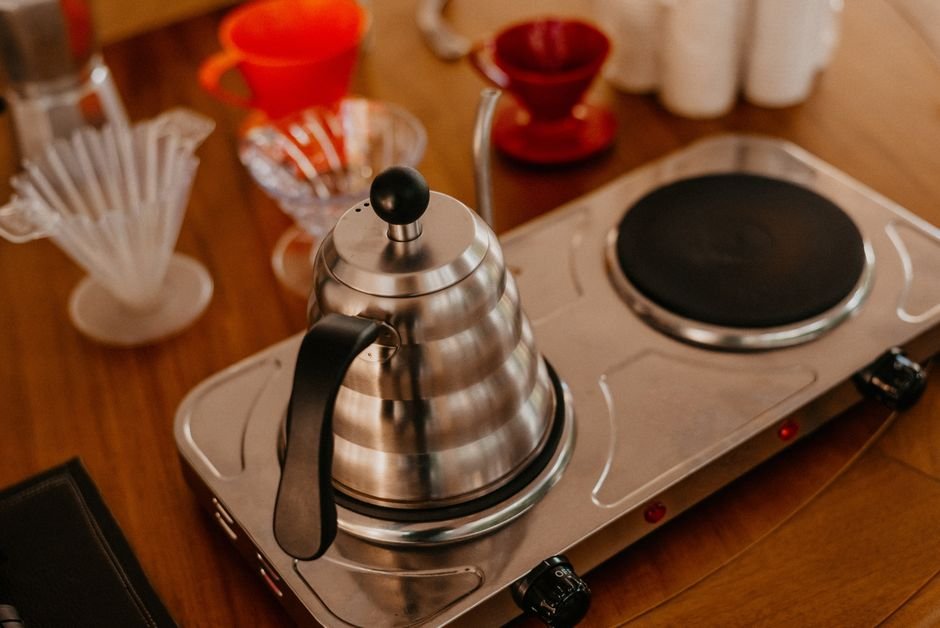
Unlock Flavor: Electric Kettle Tips for Cold Coffee Nirvana
The pursuit of perfect cold coffee often conjures images of slow drips, elaborate contraptions, and hours of patient waiting. Yet, a surprisingly accessible and efficient tool for unlocking nuanced cold coffee flavors lies dormant in many kitchens: the humble electric kettle. Far from being solely for tea and instant noodles, this rapid heating device can be a secret weapon for achieving sophisticated cold brews and refreshing iced coffees with surprising speed and depth. This guide delves into the specific techniques and considerations for leveraging your electric kettle to elevate your cold coffee game, moving beyond basic boiling to unlock a spectrum of exquisite flavors.
The Science of Cold Coffee and the Electric Kettle’s Role:
Cold coffee brewing, at its core, is about slow extraction. Water at ambient or chilled temperatures dissolves coffee compounds over extended periods, resulting in a less acidic, smoother, and often sweeter profile compared to hot brewing. The electric kettle’s primary function is rapid heating, seemingly counterintuitive for a cold beverage. However, its true value lies in its precision temperature control and the ability to deliver specific hot water at controlled intervals, a crucial element for certain cold coffee methods.
Beyond the Boil: Mastering Temperature for Cold Coffee:
The key to using an electric kettle for cold coffee isn’t about boiling water directly onto grounds. Instead, it’s about utilizing its ability to reach and maintain precise temperatures that facilitate controlled extraction.
-
The “Flash Brew” or Japanese-Style Iced Coffee: This method involves brewing hot coffee directly over ice. The rapid chilling locks in aromatics and creates a vibrant, flavorful iced coffee without the dilution of simply pouring hot coffee over ice. Your electric kettle is indispensable here.
- Optimal Temperature: Aim for water between 195°F and 205°F (90°C – 96°C). This range is hot enough to efficiently extract flavor compounds but not so hot that it burns the grounds or creates excessive bitterness. Many modern electric kettles offer precise temperature settings, making this incredibly straightforward. If yours doesn’t have specific settings, bring the water to a boil and then let it sit for 30-60 seconds.
- Technique:
- Grind: Use a medium-fine to medium grind, similar to what you’d use for pour-over.
- Ratio: A common starting point is a 1:15 coffee-to-water ratio (e.g., 30g coffee to 450g water). However, for flash brew, you’ll often use a higher coffee concentration in the hot brew phase to compensate for the melting ice. Consider a 1:8 to 1:10 ratio for the hot brew portion.
- Pre-chill: Fill your serving vessel (carafe or pitcher) with your desired amount of ice. The ice should be substantial enough to chill the brewed coffee.
- Bloom: Place your brewer (V60, Chemex, Kalita Wave, or even a standard drip machine basket) over the ice-filled vessel. Add your ground coffee. Heat your water to the target temperature using your electric kettle. Pour a small amount of hot water (about twice the weight of your coffee grounds) over the grounds, ensuring all are saturated. Let it bloom for 30-45 seconds. This releases CO2 and prepares the grounds for extraction.
- Brew: Slowly and steadily pour the remaining hot water over the grounds in concentric circles, maintaining an even flow. Aim to complete the pour within 2-3 minutes. The hot coffee will drip directly onto the ice, chilling instantly.
- Serve: Once the brewing is complete, swirl the carafe to ensure even chilling and dilution. Serve immediately.
-
The “Hot Bloom” for Cold Brew Concentrate: While cold brew relies on cold water, a brief hot bloom can significantly enhance its flavor profile. This technique leverages the electric kettle to initiate extraction and degas the coffee before the long, cold steep.
- Optimal Temperature: Similar to flash brew, 195°F to 205°F (90°C – 96°C) is ideal.
- Technique:
- Grind: Use a coarse grind, essential for cold brew to prevent over-extraction and bitterness.
- Ratio: A typical cold brew concentrate ratio is 1:4 to 1:8 coffee-to-water.
- Combine: In your brewing vessel (jar, French press, or dedicated cold brew maker), combine your coarse coffee grounds and cold water.
- Bloom: Heat a small amount of water in your electric kettle to the target temperature. Pour just enough to saturate the coffee grounds. Stir gently to ensure all grounds are wet. Let this sit for 30-60 seconds. You’ll notice the grounds expand and release a small amount of gas.
- Add Remaining Water: Add the rest of your cold water to the vessel. Stir again to ensure even saturation.
- Steep: Cover the vessel and let it steep in the refrigerator for 12-24 hours.
- Strain: After steeping, strain the concentrate through a fine-mesh sieve, cheesecloth, or a coffee filter.
- Serve: Dilute the concentrate with water or milk to your preferred strength and serve over ice. The hot bloom helps to unlock more soluble compounds, leading to a richer and more complex cold brew.
Electric Kettle Features for Enhanced Cold Coffee:
- Variable Temperature Control: This is the holy grail for electric kettle cold coffee brewing. It allows you to dial in the exact temperature needed for flash brewing or hot blooming, ensuring consistent and optimal extraction. Look for kettles with pre-set temperatures for coffee or the ability to set custom temperatures.
- Keep Warm Function: This feature is invaluable for flash brewing. It allows you to heat the water to your desired temperature and then keep it there while you prepare your brewer and grounds, ensuring the water is at the perfect temperature when you’re ready to pour.
- Speed and Efficiency: The electric kettle’s primary advantage is its speed. You can have water at the precise brewing temperature within minutes, drastically reducing the time commitment compared to traditional cold brew methods.
- Precision Pour Spout: While not directly related to heating, a gooseneck or precision spout on your electric kettle can greatly improve your pouring technique for flash brewing, allowing for more controlled saturation of the coffee bed.
Choosing the Right Coffee for Your Electric Kettle Cold Coffee:
The type of coffee bean and roast level significantly impacts the final flavor of your cold coffee.
- For Flash Brew: Lighter to medium roasts often shine here. They tend to have brighter acidity, fruity notes, and floral aromas that are beautifully preserved by the rapid chilling process. Think of single-origin coffees from Ethiopia, Kenya, or Central America.
- For Cold Brew (with Hot Bloom): Medium to dark roasts are excellent choices. The longer steeping time of cold brew can mellow out the bitterness of darker roasts, while the hot bloom can help to extract deeper chocolate, caramel, and nutty notes. Blends designed for espresso can also work well, offering a rich and full-bodied profile.
Water Quality Matters:
Just as with hot coffee, the quality of your water is paramount for cold coffee. Filtered water is always recommended. Avoid using distilled water, as it lacks the minerals that contribute to flavor extraction.
Beyond the Brew: Enhancing Your Cold Coffee Experience:
Once you’ve mastered the electric kettle techniques, consider these additions to elevate your cold coffee:
- Ice Cubes: Experiment with different types of ice. Large, clear ice cubes melt slower, minimizing dilution. Consider coffee ice cubes made from brewed coffee to avoid watering down your drink.
- Milk and Creamers: Opt for high-quality dairy or non-dairy alternatives. Oat milk, almond milk, and coconut milk can add their own subtle flavors.
- Sweeteners: Simple syrup, honey, or maple syrup are excellent choices for cold coffee as they dissolve easily.
- Flavorings: Vanilla extract, cinnamon, cocoa powder, or even a touch of citrus zest can add delightful complexity.
By understanding the principles of extraction and leveraging the precision of your electric kettle, you can unlock a world of delicious and refreshing cold coffee possibilities, transforming this everyday appliance into an indispensable tool for the discerning coffee enthusiast.