
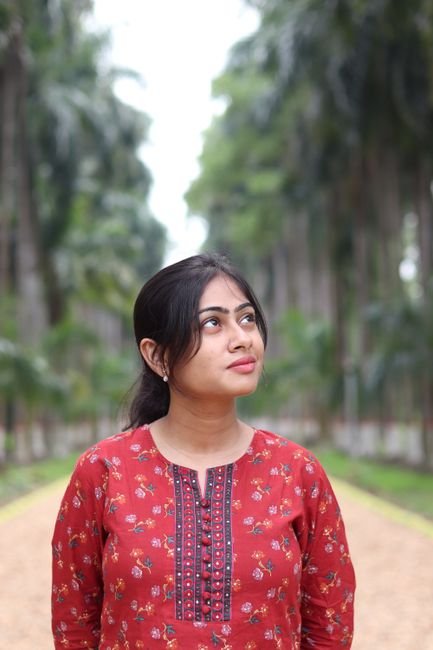
From Solids to Prints: Exploring the Diverse World of Cotton Kurtis
Cotton kurtis have transcended mere ethnic wear to become a cornerstone of modern Indian fashion, a testament to their versatility, comfort, and enduring appeal. From the minimalist elegance of solid hues to the vibrant narratives woven into intricate prints, the cotton kurti offers a canvas for diverse styles, catering to every occasion and personal aesthetic. This exploration delves into the multifaceted world of cotton kurtis, highlighting their evolution, design nuances, and the enduring reasons behind their widespread popularity.
The Enduring Allure of Cotton: A Foundation of Comfort and Breathability
At the heart of the cotton kurti’s success lies the inherent quality of its primary material. Cotton, a natural fiber, boasts exceptional breathability, making it an ideal choice for the Indian climate. Its ability to absorb moisture effectively keeps the wearer cool and comfortable, a crucial factor for everyday wear. Furthermore, cotton is renowned for its softness and gentle touch against the skin, minimizing irritation and allergies, thus making it a preferred choice for sensitive skin types. The natural hypoallergenic properties of cotton contribute significantly to its widespread adoption across all age groups and demographics. Beyond comfort, cotton is also remarkably durable, retaining its shape and color through numerous washes, ensuring a long-lasting addition to any wardrobe. Its inherent strength means that well-maintained cotton kurtis can be cherished for years, making them a sustainable and economical fashion choice.
The Spectrum of Solids: Understated Elegance and Timeless Appeal
Solid cotton kurtis represent the epitome of understated elegance. Their simplicity is their strength, offering a versatile foundation that can be dressed up or down with ease. From classic white and black to rich jewel tones like emerald green, sapphire blue, and ruby red, the spectrum of solid colors available is vast. These kurtis are perfect for creating a minimalist chic look, ideal for professional settings or casual outings. The beauty of a solid kurti lies in its ability to act as a blank canvas for accessories. A statement necklace, a vibrant dupatta, or even a pair of embellished juttis can instantly transform a simple solid kurti into a show-stopping ensemble. The subtle sheen of mercerized cotton in solid shades can add a touch of sophistication, making them suitable for more formal occasions. Furthermore, solid kurtis are excellent for layering, providing a base for jackets, shrugs, or even other sheer kurtis, allowing for creative and personalized styling. The popularity of solid kurtis also stems from their ease of care; they are generally less prone to color bleeding and require simpler washing instructions compared to heavily printed garments.
The Art of Prints: A Celebration of Color, Culture, and Craftsmanship
Cotton kurtis come alive with an explosion of prints, each telling a story of tradition, artistry, and regional influences. The world of printed cotton kurtis is incredibly diverse, encompassing a wide array of techniques and motifs.
-
Block Prints: This ancient Indian art form involves carving intricate designs onto wooden blocks, which are then dipped in dye and pressed onto the fabric. Jaipur’s famous Sanganeri and Bagru prints, known for their delicate floral and geometric patterns, are prime examples. Dabu prints, with their mud-resist technique, offer a unique textured effect. The hand-crafted nature of block prints imbues each kurti with a sense of individuality and artisanal charm. The slight imperfections inherent in the block printing process add to their authentic appeal, making them highly sought after by those who appreciate traditional craftsmanship.
-
Digital Prints: Advancements in technology have opened up a universe of possibilities with digital printing. This technique allows for the reproduction of incredibly detailed and vibrant designs, from photorealistic motifs to abstract art. Digital prints offer unparalleled design flexibility, enabling the creation of contemporary and avant-garde patterns on cotton fabric. They are also known for their color vibrancy and sharpness, often replicating the intensity of original artwork. The ability to print complex, multi-colored designs with precision makes digital prints a popular choice for fashion-forward designs.
-
Tie-Dye (Bandhani): Originating from Rajasthan and Gujarat, Bandhani involves tying small portions of the fabric with thread before dyeing, creating intricate patterns of dots and circles. The complexity of the design often dictates the number of tying and dyeing stages. Bandhani kurtis are a celebration of vibrant colors and traditional craftsmanship, each piece a unique work of art. The characteristic patterns, ranging from small dots to larger motifs, are instantly recognizable and evoke a sense of festive exuberance.
-
Batik Prints: This wax-resist dyeing technique, prevalent in regions like Indonesia and parts of India, creates beautiful, organic patterns. The melted wax is applied to the fabric, acting as a resist to the dye. Once the dye sets, the wax is removed, revealing the patterned areas. Batik prints on cotton kurtis often feature abstract, swirling designs or floral motifs with a distinctive cracked-dye effect. The subtle variations in color and texture achieved through the batik process lend a rustic and artistic charm to these kurtis.
-
Floral Prints: A perennial favorite, floral prints on cotton kurtis range from delicate, small-scale blooms to bold, statement bouquets. These prints bring a touch of nature’s beauty and a sense of femininity to the garment. They are perfect for spring and summer collections, evoking a sense of freshness and vibrancy. The versatility of floral prints allows them to be adapted for both casual and semi-formal occasions, depending on the scale and color palette of the design.
-
Geometric Prints: Offering a modern and structured aesthetic, geometric prints on cotton kurtis are characterized by their clean lines, shapes, and repeating patterns. From classic checks and stripes to more complex tessellations and abstract geometric forms, these prints appeal to those who appreciate a contemporary and sophisticated look. They can add a touch of sharpness and definition to an outfit.
-
Ethnic and Traditional Motifs: Many cotton kurtis feature prints inspired by traditional Indian art, mythology, and cultural symbols. These can include paisleys, peacocks, elephants, temple motifs, and other auspicious designs. These prints not only enhance the aesthetic appeal but also carry cultural significance, connecting the wearer to heritage and tradition.
Silhouettes and Styles: Adapting to Modern Needs
The cotton kurti has evolved beyond its traditional straight-cut form. Contemporary designers have introduced a plethora of silhouettes to cater to diverse body types and fashion preferences:
- A-Line Kurtis: Flaring out from the shoulders, A-line kurtis offer a flattering silhouette for most body shapes, providing comfort and ease of movement.
- Anarkali Kurtis: Characterized by their long, flowing silhouette that cinches at the waist and then flares out dramatically, Anarkali kurtis exude elegance and grace, often embellished for festive occasions.
- Straight-Cut Kurtis: The classic and most versatile style, straight-cut kurtis are a wardrobe staple, offering a clean and sophisticated look.
- High-Low Kurtis: Featuring a hemline that is shorter in the front and longer at the back, these kurtis add a modern and stylish twist to the traditional silhouette.
- Pakistani/Anarkali Style Kurtis: These often feature more intricate embroidery and a fuller flare, drawing inspiration from traditional Pakistani attire.
- Knee-Length and Calf-Length Kurtis: The varying lengths offer different styling possibilities, with shorter kurtis pairing well with jeans or palazzos, and longer ones with leggings or churidars.
Styling Your Cotton Kurti: Endless Possibilities
The beauty of a cotton kurti lies in its adaptability. It can be styled in numerous ways to suit any occasion:
- Casual Chic: Pair a solid or subtly printed cotton kurti with comfortable leggings, jeans, or palazzos. Add juttis or simple flats and minimal accessories for an effortless everyday look.
- Office Ready: Opt for solid, pastel, or subtly patterned kurtis in professional silhouettes. Pair with straight-cut trousers or churidars and elegant sandals or loafers. A simple dupatta can add a touch of sophistication.
- Festive Flair: Embrace vibrant prints, richer fabrics like silk-cotton blends, and embellishments like embroidery or mirror work. Pair with matching or contrasting dupattas, statement jewelry, and embellished footwear.
- Fusion Style: Experiment by layering a cotton kurti over a contrasting colored slip or under a denim jacket. Pair with trendy sneakers or boots for a modern fusion look.
The Enduring Legacy: Comfort, Culture, and Contemporary Fashion
The cotton kurti’s journey from a traditional garment to a global fashion statement is a testament to its inherent qualities. Its unparalleled comfort, breathability, and the enduring appeal of natural fibers make it a practical and desirable choice. Coupled with the rich tapestry of Indian textile traditions, from the art of block printing to the vibrant hues of Bandhani, cotton kurtis offer a unique blend of heritage and contemporary style. As fashion continues to evolve, the cotton kurti, in its myriad forms and prints, will undoubtedly remain a beloved and indispensable element of the modern wardrobe, a timeless symbol of effortless elegance and cultural pride. Its ability to adapt to changing trends while retaining its core essence ensures its continued relevance and popularity for generations to come.