
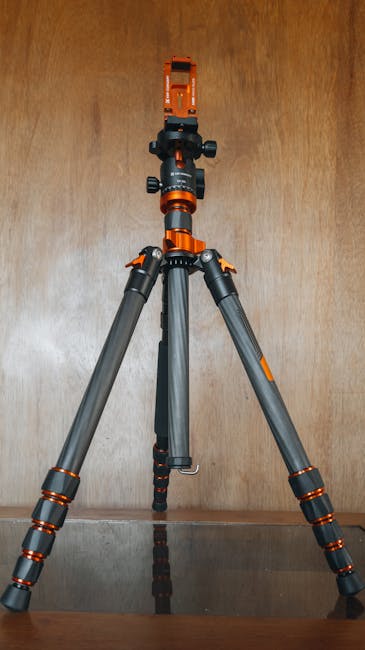
Tripod Essentials: Choosing the Right One for Your Photography
A tripod is an indispensable tool for any serious photographer, acting as an extension of your hand and a guarantor of sharp, well-composed images. Far from being a mere accessory, the right tripod can elevate your photographic capabilities significantly, enabling techniques like long exposures, precise framing, and low-light shooting with unparalleled stability. Selecting the ideal tripod, however, can feel like navigating a minefield of technical specifications and material choices. This comprehensive guide will demystify the process, ensuring you make an informed decision that perfectly complements your photographic style and equipment.
Understanding the Core Functions of a Tripod
At its heart, a tripod’s primary purpose is to provide a stable platform for your camera. This stability is crucial for several reasons:
- Sharpness: Even the steadiest hand introduces micro-vibrations that can blur images, especially at slower shutter speeds or when using telephoto lenses. A tripod eliminates these vibrations, ensuring maximum image sharpness.
- Composition: A tripod allows you to meticulously frame your shots without the fatigue of holding the camera. You can take your time adjusting angles, horizons, and subject placement, leading to more deliberate and impactful compositions.
- Low-Light Photography: For capturing stunning nightscapes, star trails, or dimly lit interiors, long exposures are essential. These require the camera to remain perfectly still for seconds, or even minutes, a feat impossible without a tripod.
- Specific Techniques: Astrophotography, macro photography, HDR (High Dynamic Range) imaging, and time-lapses all rely heavily on the consistent positioning and stability offered by a tripod.
- Weight Support: A robust tripod can support the weight of heavier camera bodies and lenses, preventing strain and allowing for comfortable use of larger setups.
Key Components of a Tripod and Their Importance
To make an informed choice, it’s vital to understand the individual parts of a tripod and how they contribute to its overall performance:
1. Legs: The foundation of stability.
- Material:
- Aluminum Alloy: The most common and affordable option. It’s durable, readily available, and offers good stability. However, it can be heavier than carbon fiber and more susceptible to temperature changes.
- Carbon Fiber: Lighter, stronger, and more vibration-dampening than aluminum. It’s also more expensive but offers superior portability and performance, especially for travel photographers or those carrying heavy gear.
- Magnesium Alloy: Offers a good balance of weight and strength, often found in mid-range tripods.
- Leg Sections: Tripods typically have 2, 3, or 4 sections per leg. More sections allow for greater height adjustment but can also introduce more potential for flex and reduce stability. 3-section legs are generally considered a good balance for most photographers.
- Leg Lock Type:
- Flip Locks: Quick and easy to operate, ideal for fast setup and breakdown, especially in challenging conditions like cold weather or with gloves on. They are generally reliable but can snag on clothing.
- Twist Locks: Offer a sleeker profile and are less prone to snagging. They require a twisting motion to loosen and tighten, which can be slower, especially with stiff locks. Some photographers find them more secure.
- Leg Angle Adjustments: Most tripods offer multiple leg angle settings, allowing you to get closer to the ground for low-angle shots or to adapt to uneven terrain. Some have a dedicated “macro” or “low-angle” position where the center column can be inverted.
- Feet: The interface between the tripod and the ground.
- Rubber Feet: Standard for most indoor and general outdoor use, providing good grip.
- Spiked Feet: Essential for soft ground like grass or dirt, digging in for maximum stability. Many tripods offer interchangeable feet.
- Pads: Some tripods have specialized pads for delicate surfaces.
2. Center Column: The vertical support that connects the legs to the head.
- Standard Center Column: Offers vertical adjustment for fine-tuning height. Can be extended, but extending it too far can compromise stability.
- Rapid Column: Allows for quick up and down movement without adjusting leg locks.
- Reversible Center Column: Enables inverted mounting of the head for low-angle or macro photography.
- Monopod Conversion: Some tripods have a center column that can be detached and converted into a monopod, offering versatility for situations where a full tripod is too cumbersome.
3. Head: The crucial interface between the camera and the tripod, dictating how you move and lock your camera.
- Ball Head: The most popular type, offering smooth, fluid movement in all directions. Ideal for quick re-framing and general photography.
- Single Knob Control: A single knob controls both panning and tilting, requiring practice to master.
- Dual/Triple Knob Control: Separate knobs for pan and tilt offer more precise control.
- Ball Head with Friction Control: Allows you to adjust the tension on the ball, preventing accidental movement.
- Pan-and-Tilt Head (3-Way Head): Features separate controls for pan, tilt, and roll. Offers excellent precision for architectural photography, landscapes, and any situation requiring meticulous framing. Can be slower to adjust than a ball head.
- Gimbal Head: Specifically designed for large telephoto lenses, balancing the weight and allowing for smooth, effortless panning and tilting. Essential for wildlife and sports photographers.
- Fluid Head: Primarily used for video, offering incredibly smooth and controlled movements. Some high-end stills heads incorporate fluid elements for smoother adjustments.
- Panoramic Head: Designed for stitching together multiple images to create panoramic shots. Features detents for precise rotation.
4. Quick-Release System: The mechanism that attaches and detaches your camera from the head.
- Arca-Swiss Compatible: The industry standard, offering a secure and versatile system. Plates are interchangeable between different Arca-Swiss compatible heads and L-brackets.
- Proprietary Quick-Release Plates: Specific to a particular brand or tripod model. Less flexible but can be very secure.
- QR Plate Design: Look for plates with multiple mounting screws for added security, especially for heavier cameras. L-brackets offer vertical shooting options without removing the camera from the plate.
Choosing the Right Tripod for Your Needs: A Practical Approach
Now that you understand the components, let’s consider how to match a tripod to your specific photographic pursuits:
1. Weight Capacity: This is arguably the most critical factor. Your tripod must be able to comfortably support the weight of your camera body and your heaviest lens, with a buffer for stability. Overloading a tripod will lead to instability and potential damage. Check the manufacturer’s stated weight capacity.
2. Maximum Height: Consider your shooting style. Do you need to shoot at eye level without extending the center column for maximum stability? Or is occasional extension acceptable? A good tripod should allow you to shoot at a comfortable working height.
3. Minimum Height: Crucial for low-angle shots, macro photography, and getting close to the ground. Tripods with legs that splay out widely or have reversible center columns excel here.
4. Portability and Weight:
- Travel Photographers: Lightweight carbon fiber is paramount. Compactness when folded is also a key consideration.
- Studio/Landscape Photographers: Weight is less of a concern, allowing for more robust aluminum options.
- General Enthusiasts: A balance between weight and stability is often sought.
5. Stability: A stable tripod is the bedrock of good photography. Factors contributing to stability include:
- Leg Material and Diameter: Thicker, heavier legs are generally more stable.
- Leg Locks: Secure locks prevent unwanted movement.
- Center Column Design: A thick, sturdy center column is preferable.
- Hook for Weight: Many tripods have a hook at the bottom of the center column to hang a bag or weight, significantly increasing stability in windy conditions.
6. Budget: Tripods range from under $100 to over $1000. Define your budget early, but remember that a good tripod is an investment that will last for years. Don’t skimp if it means compromising on essential features.
7. Head Type:
- Ball Head: Excellent all-rounder for most genres.
- 3-Way Head: Ideal for precision in landscape and architectural work.
- Gimbal Head: Non-negotiable for wildlife and sports with long lenses.
Specific Recommendations by Photography Genre:
- Landscape Photography: Stability and height are key. A robust ball head or 3-way head with good panning and tilting capabilities is ideal. Carbon fiber is preferred for portability if you hike to your locations.
- Wildlife Photography: A gimbal head is essential for supporting heavy telephoto lenses and allowing for smooth tracking of moving subjects. Sturdy legs with a high weight capacity are also critical.
- Macro Photography: Low minimum height is paramount. Look for tripods with legs that splay out widely or a reversible center column. A ball head offers quick adjustments.
- Travel Photography: Lightweight, compact, and durable. Carbon fiber is the go-to material. A quick-release system that is easy to operate in various