
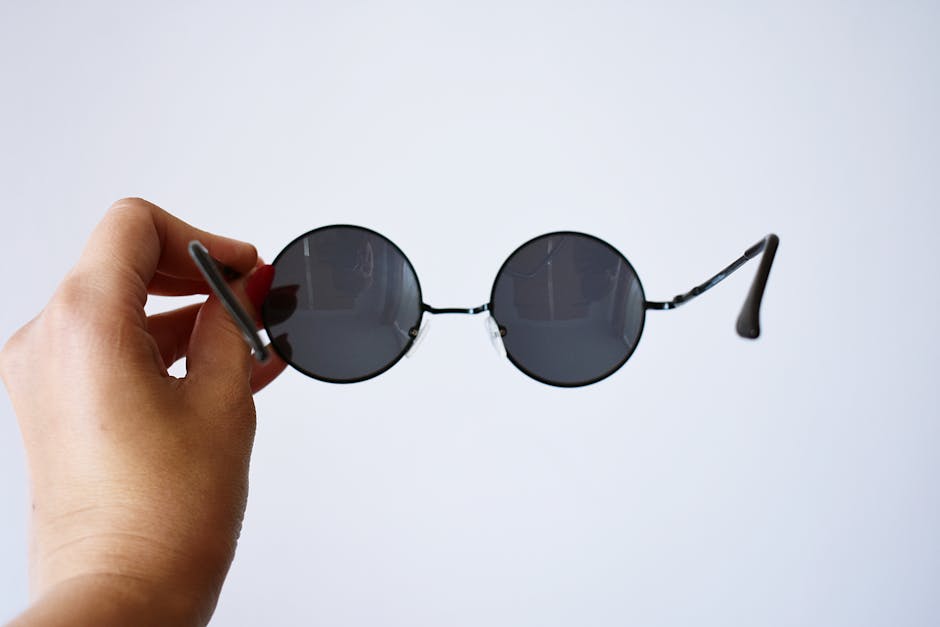
Beat Glare and Heat: Essential Cooling Sunglasses Features
The relentless glare of the sun, coupled with rising temperatures, can transform a pleasant outdoor experience into an uncomfortable ordeal. Beyond simple shade, modern sunglasses offer sophisticated solutions to combat both visual discomfort and the physical sensation of heat. Understanding the key features that contribute to effective glare reduction and heat mitigation is crucial for selecting eyewear that truly enhances your well-being. This article delves into the essential cooling sunglasses features, empowering you to make informed choices for optimal protection and comfort.
The Dual Threat: Glare and Heat
Before exploring specific features, it’s vital to grasp the distinct yet interconnected challenges posed by glare and heat. Glare is the excessive and uncomfortable brightness caused by light reflecting off surfaces like water, snow, sand, or even roads. It not only strains the eyes, leading to fatigue and headaches, but can also impair vision, posing safety risks. Heat, on the other hand, is the physical sensation of warmth that can make the skin around the eyes feel hot and uncomfortable, potentially leading to sweating and further irritation. While some features address one issue primarily, many work synergistically to tackle both.
Polarization: The Glare Eliminator
Without question, polarization stands as the single most important feature for combating glare. Polarized lenses contain a special chemical filter that blocks horizontally polarized light. Sunlight, when reflected off flat surfaces, becomes horizontally polarized, creating that intense, distracting glare. By filtering out this specific wavelength, polarized lenses dramatically reduce blinding reflections, allowing you to see details more clearly and comfortably.
- How it Works: Imagine light waves vibrating in all directions. When light reflects off a smooth surface, it tends to align its vibrations horizontally. A polarized lens has microscopic vertical slits, allowing vertically vibrating light to pass through while blocking the horizontally vibrating, reflected glare.
- Benefits: Significant reduction in eye strain, improved visual clarity, enhanced contrast, and a more relaxed visual experience, especially during activities like driving, fishing, boating, or spending time on snow.
- Identifying Polarization: Look for the word “polarized” on the lens or frame. A simple test involves looking at another polarized lens (like a phone screen) through your sunglasses. If you rotate one lens 90 degrees, the view should darken considerably or disappear entirely if both are polarized.
UV Protection: The Invisible Shield
While not directly addressing heat, 100% UV protection is a non-negotiable foundation for any pair of sunglasses. Ultraviolet (UV) radiation from the sun can cause long-term damage to the eyes, including cataracts, macular degeneration, and photokeratitis (sunburn of the cornea). Even if a lens is dark, it’s useless against UV if it doesn’t block these harmful rays.
- Types of UV Protection: Look for labels indicating “100% UVA and UVB protection” or “UV400 protection.” UV400 means the lenses block all light rays with wavelengths up to 400 nanometers, effectively covering the entire UVA and UVB spectrum.
- Importance for Cooling: While UV protection doesn’t directly cool, it prevents the cumulative damage that can exacerbate heat-related discomfort and sensitivity. Protecting the delicate tissues of the eye is paramount for overall eye health and comfort in sunny conditions.
Lens Tint: Beyond Aesthetics
Lens tint plays a significant role in both glare reduction and perceived heat. Different colors absorb and transmit light differently, impacting how your eyes perceive brightness and color.
- Gray Tints: The most neutral option, gray tints reduce brightness equally across all colors without distorting them. This makes them excellent for general use and for accurately perceiving true colors, which is important for activities like driving. They effectively reduce glare and eye strain.
- Brown and Amber Tints: These tints enhance contrast by filtering out blue light. This can make colors appear richer and details sharper, particularly in overcast conditions or when looking at varied terrain. They are excellent for reducing glare and improving visual acuity, making them popular for sports like golf and skiing.
- Green Tints: Similar to gray, green tints offer good color accuracy and reduce brightness. They can be slightly more soothing to the eyes than gray for some individuals and are effective at reducing glare.
- Yellow and Orange Tints: These vibrant tints are ideal for low-light conditions. They enhance contrast and depth perception by filtering out blue light, making them excellent for driving at dusk or dawn, or for sports like cycling and skiing in variable light. While they don’t offer as much glare reduction in bright sun as darker tints, they can improve visibility and reduce eye fatigue in challenging light.
Lens Coatings: Enhancing Performance
Beyond the base lens material and tint, various coatings can significantly enhance a sunglass’s ability to combat glare and heat.
- Anti-Reflective (AR) Coating: Applied to the back surface of the lens, AR coating prevents light from reflecting into your eyes from behind. This is particularly important when light sources are behind you, such as headlights at night or sunlight bouncing off your own face. By reducing internal reflections, AR coatings improve clarity and reduce perceived glare.
- Hydrophobic and Oleophobic Coatings: These coatings repel water and oil, respectively. A hydrophobic coating causes water droplets to bead up and roll off the lens, keeping your vision clear during rain or when sweating. An oleophobic coating prevents fingerprints and smudges from adhering to the lens, maintaining clarity and reducing the need for constant cleaning, which can be a welcome relief in hot, sweaty conditions.
- Mirror Coatings: These are highly reflective coatings applied to the front of the lens. They reflect a significant amount of light away from the eye, acting like a one-way mirror. This is incredibly effective at reducing overall brightness and glare, especially in extremely sunny environments like deserts or snowy landscapes. While they don’t alter the tint of the lens underneath, they significantly enhance glare reduction.
Frame Design: The Unsung Hero of Cooling
While lenses are primary, frame design plays a crucial, often overlooked, role in both glare reduction and heat management.
- Wrap-Around Designs: These frames curve around the face, providing a wider field of vision and significantly reducing peripheral light entry. This is essential for blocking out stray light that can cause glare and discomfort, especially during dynamic activities. The closer fit also helps to keep the lenses nearer to the eyes, reducing the chance of light bouncing off the inner surfaces.
- Ventilation: Some frames incorporate strategically placed vents, often in the brow or temple areas. These vents allow for airflow around the eyes, helping to dissipate heat and reduce sweat buildup. This is a direct cooling feature that enhances comfort during prolonged wear in warm weather.
- Material: Lightweight, breathable frame materials like acetate or certain plastics can feel cooler against the skin than heavy metal frames. Some materials are also designed to be less absorbent of heat.
- Fit and Coverage: A snug but comfortable fit ensures the sunglasses stay in place and provide maximum coverage. Frames that sit too far from the face allow light to enter from the top and sides, increasing glare. Conversely, frames that press too tightly can trap heat.
Advanced Lens Technologies for Enhanced Comfort
Beyond the fundamental features, several advanced lens technologies offer even greater protection and comfort in challenging light and heat conditions.
- Photochromic Lenses (Transitions): These lenses automatically adjust their tint based on UV light exposure. They darken in bright sunlight, providing glare reduction and UV protection, and become clearer indoors or in low light. This versatility makes them ideal for situations where light conditions change frequently, offering continuous comfort and protection without the need to switch glasses.
- Contrast-Enhancing Lenses: While brown and amber tints offer good contrast, some specialized lenses are engineered to selectively filter specific wavelengths of light to maximize contrast and definition. This can be particularly beneficial for athletes who need to discern subtle details in their environment.
- Gradient Tints: These lenses are darker at the top and gradually become lighter towards the bottom. This is particularly useful for activities like driving, where you need to see the road clearly while still reducing overhead glare from the sun or sky.
By understanding and prioritizing these essential cooling sunglasses features, you can invest in eyewear that not only protects your eyes from the sun’s harmful rays but also significantly enhances your comfort and visual experience, allowing you to enjoy the outdoors to the fullest, even on the hottest and brightest days.