
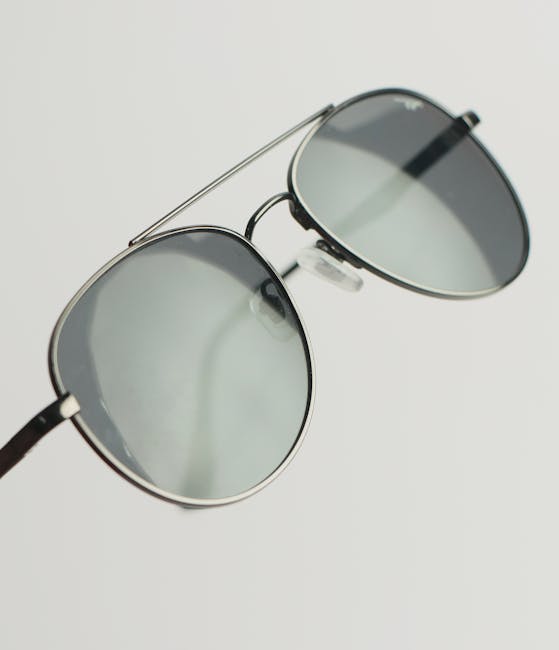
Shielding the Gaze: Why Men Imperatively Need UV Protection Sunglasses for Optimal Eye Health
The sun, a life-giving celestial body, also presents a formidable threat to our delicate ocular structures. While often perceived as a fashion accessory or a means to combat glare, sunglasses, particularly those offering robust UV protection, are an indispensable tool for men safeguarding their long-term eye health. The cumulative damage inflicted by ultraviolet (UV) radiation from the sun can lead to a spectrum of debilitating eye conditions, significantly impacting vision and quality of life. Understanding the mechanisms of UV damage and the protective benefits of specialized eyewear is paramount for proactive eye care in men.
The sun emits a broad spectrum of light, categorized into visible light, infrared radiation, and ultraviolet radiation. UV radiation, invisible to the human eye, is further divided into three types: UVA, UVB, and UVC. While UVC is largely absorbed by the Earth’s ozone layer, UVA and UVB rays penetrate the atmosphere and reach our eyes. These high-energy wavelengths can penetrate deep into the ocular tissues, initiating a cascade of cellular damage.
One of the most prevalent and insidious consequences of prolonged UV exposure is the increased risk of cataracts. Cataracts are characterized by the clouding of the eye’s natural lens, leading to blurred vision, glare sensitivity, and diminished color perception. Studies have consistently demonstrated a strong correlation between cumulative UV exposure and the development of cataracts. The UV radiation, particularly UVB, can damage the proteins within the lens, causing them to clump together and lose their transparency. Men, who may engage in more outdoor activities and professions, are therefore at a heightened risk if adequate UV protection is not consistently employed. The gradual onset of cataracts often goes unnoticed in its early stages, making preventative measures crucial.
Beyond cataracts, UV radiation is a significant contributor to macular degeneration, a leading cause of irreversible vision loss in individuals over 50. The macula, a small area in the center of the retina, is responsible for sharp, central vision, essential for reading, driving, and recognizing faces. UV rays can damage the photoreceptor cells in the macula, leading to a breakdown of this vital tissue. This condition, known as age-related macular degeneration (AMD), can manifest in dry or wet forms, both of which severely impair central vision. While genetics play a role, environmental factors like UV exposure are modifiable risk factors that men can actively manage.
Another detrimental effect of UV radiation is pterygium, a fleshy, triangular growth that starts on the conjunctiva (the clear membrane covering the white part of the eye) and can extend onto the cornea. Often referred to as “surfer’s eye,” pterygium is strongly associated with prolonged exposure to sunlight, wind, and dust. It can cause irritation, redness, and if it grows large enough, can obstruct vision by covering the pupil. Men who spend significant time outdoors, especially in sunny and windy environments, are particularly susceptible to developing pterygium.
Furthermore, UV radiation can contribute to photokeratitis, commonly known as snow blindness or welder’s flash. This is essentially a sunburn of the cornea and is characterized by intense pain, redness, tearing, and a gritty sensation in the eyes. While often temporary, repeated episodes can lead to chronic discomfort and increased susceptibility to other eye conditions. This acute form of UV damage underscores the immediate harm these rays can inflict.
The skin surrounding the eyes is also vulnerable to UV damage, and this can have downstream effects on eye health. The delicate skin on the eyelids can develop skin cancers, including basal cell carcinoma, squamous cell carcinoma, and melanoma. These cancers can not only be disfiguring but can also spread to the eye itself, requiring complex and potentially vision-threatening treatments. Wearing sunglasses that also offer UV protection helps shield this sensitive skin from harmful rays.
The critical factor in mitigating these risks lies in selecting sunglasses that provide 100% UV protection. This means the lenses should block both UVA and UVB rays. It’s important to note that lens color and darkness are not indicators of UV protection. Darker lenses without UV filters can actually be more detrimental, as they cause the pupil to dilate, allowing even more UV radiation to enter the eye. Therefore, men should always look for labels that explicitly state “100% UV protection” or “UV 400,” which signifies that the lenses block all UV rays up to 400 nanometers.
Beyond the fundamental UV protection, certain lens features can enhance eye comfort and further protect against environmental aggressors. Polarized lenses, for instance, reduce glare from reflective surfaces like water, snow, and roads. While not directly related to UV protection, reduced glare significantly improves visual clarity and comfort, especially during activities like driving, fishing, or skiing, which are common pursuits for many men. This enhanced visual comfort can indirectly reduce eye strain, which, when chronic, can exacerbate existing eye conditions.
The design of the sunglasses also plays a role. Wraparound styles offer superior protection by covering a wider field of vision and minimizing UV light that can enter from the sides. This is particularly beneficial for individuals engaged in sports or outdoor work where peripheral light exposure is significant. For men who wear prescription eyeglasses, photochromic lenses that darken in sunlight and become clear indoors, while also offering UV protection, provide a convenient and comprehensive solution. Similarly, prescription sunglasses are readily available and offer the same level of UV protection as their non-prescription counterparts.
The responsibility for eye health rests on proactive measures, and for men, incorporating UV-protective sunglasses into their daily routine is a simple yet profoundly effective strategy. This habit should be cultivated from a young age and maintained throughout life. It’s not merely about preventing immediate discomfort or glare, but about investing in the long-term health and functionality of one of our most vital sensory organs. Regular comprehensive eye examinations by an ophthalmologist or optometrist are also crucial for early detection and management of any potential eye conditions, irrespective of UV protection habits. However, the preventative power of wearing appropriate sunglasses cannot be overstated. By making UV protection a non-negotiable aspect of their eyewear choices, men can significantly reduce their risk of developing sight-threatening conditions and preserve their vision for years to come.