
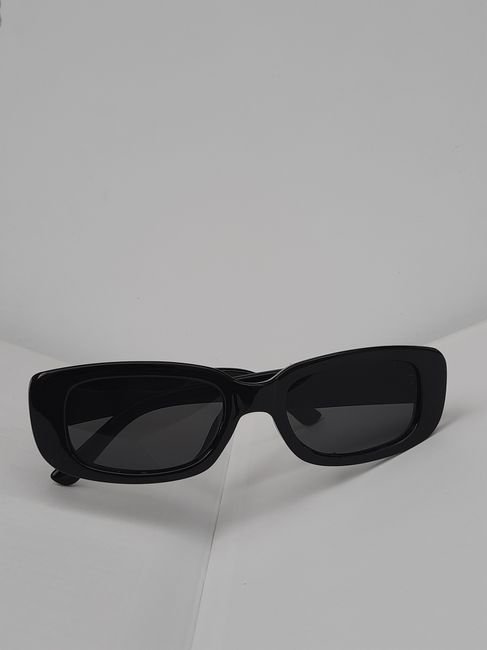
Travel Smart: Essential UV Protection Sunglasses for Your Trip
The allure of travel often conjures images of sun-drenched beaches, majestic mountain vistas, and vibrant cityscapes. While these experiences are undoubtedly enriching, they also expose us to a powerful and potentially damaging force: ultraviolet (UV) radiation from the sun. Protecting your eyes from these rays is not merely about comfort; it’s a crucial aspect of maintaining long-term eye health and ensuring your travels are as enjoyable and safe as possible. This is where a well-chosen pair of UV protection sunglasses becomes an indispensable travel companion.
Understanding the Threat: The Invisible Danger of UV Rays
UV radiation is a spectrum of electromagnetic waves emitted by the sun. While invisible to the human eye, its effects can be profound and cumulative. There are three primary types of UV rays: UVA, UVB, and UVC. UVC rays are largely absorbed by the Earth’s atmosphere, posing minimal risk. However, UVA and UVB rays penetrate the atmosphere and can reach our eyes, causing a range of short-term and long-term damage.
- UVA rays penetrate deep into the skin and eyes, contributing to premature aging of the skin around the eyes and increasing the risk of cataracts and macular degeneration. They are present even on cloudy days and can pass through window glass.
- UVB rays are more potent and are the primary cause of sunburn on the skin. In the eyes, they can lead to photokeratitis, a painful condition often referred to as “snow blindness” or “welder’s flash,” which is essentially a sunburn of the cornea. Prolonged exposure to UVB rays also significantly increases the risk of developing cataracts and ocular melanoma.
Why Sunglasses are More Than Just a Fashion Accessory
While stylish sunglasses can elevate any travel outfit, their primary function when traveling is protection. Relying on the tint of the lenses alone is a common misconception. A dark lens without UV protection can be more harmful than no sunglasses at all. This is because the dark tint causes your pupils to dilate, allowing more harmful UV rays to enter your eye. Therefore, the presence of UV protection is paramount.
The Golden Standard: What to Look for in UV Protection
When selecting sunglasses for your travels, prioritize those that offer 100% UV protection or UV 400 protection. These labels indicate that the lenses block all harmful UVA and UVB rays up to 400 nanometers, which encompasses the entire UV spectrum.
- Look for the Label: Always check the sunglasses’ packaging or frame for a sticker or inscription stating “100% UV protection” or “UV 400.” Reputable brands will clearly advertise this feature.
- Lens Material Matters (for UV Protection): While lens material can influence durability, scratch resistance, and impact resistance, most modern lens materials, including polycarbonate and Trivex, inherently offer excellent UV protection. The UV-blocking properties are typically a coating applied during manufacturing or integrated into the lens material itself.
- Color and Tint are Secondary: The color and darkness of the lens tint have no bearing on UV protection. A light amber lens can offer the same UV protection as a very dark grey lens. Tint affects how much visible light is absorbed, reducing glare and improving visual comfort in bright conditions.
Beyond UV Protection: Enhancing Your Travel Eyewear Experience
While UV protection is non-negotiable, several other features can significantly enhance your comfort and vision during travel:
- Polarized Lenses: These are a game-changer for reducing glare. Polarized lenses have a special filter that blocks intense reflected light, making them ideal for driving, boating, fishing, or simply walking on sunlit surfaces like water or sand. For travelers, this translates to clearer vision, reduced eye strain, and a more enjoyable experience, especially in environments with high levels of glare.
- Lens Color and Its Impact: Different lens colors offer varying benefits:
- Grey: Provides true color perception and is excellent for general use in bright sunlight.
- Brown/Amber: Enhances contrast and depth perception, making them good for variable light conditions and activities like driving or hiking.
- Green: Offers a good balance of contrast enhancement and color accuracy, suitable for a wide range of outdoor activities.
- Yellow/Orange: Excellent for low-light conditions and overcast days, as they enhance contrast and brightness.
- Lens Coatings:
- Anti-reflective (AR) coating: Reduces glare from the back of the lens, which can be particularly useful for night driving or in bright environments.
- Scratch-resistant coating: A must-have for travelers who are often on the go and subject to rough handling.
- Hydrophobic/Oleophobic coating: Repels water and oil, making lenses easier to clean and keeping them clearer in humid or wet conditions.
Choosing the Right Frame for Your Adventures
The frame of your sunglasses plays a vital role in their effectiveness and comfort:
- Coverage is Key: Opt for frames that offer ample coverage around the eyes. Wraparound styles or frames with wider arms and a snug fit help prevent UV rays from entering from the sides, top, or bottom. This is especially important in environments with strong ambient light, such as snowy landscapes or beaches.
- Material and Durability: Consider the materials used in the frame. Lightweight yet durable materials like acetate, nylon, or titanium are excellent choices for travel. They can withstand the rigors of being packed and unpacked, and are comfortable to wear for extended periods.
- Fit and Comfort: Sunglasses should fit comfortably without pinching or slipping. Ensure the nose pads are adjustable or suitable for your face shape. A well-fitting pair will stay in place during active pursuits and won’t cause discomfort after hours of wear.
- Prescription Needs: If you wear prescription glasses, you have several options for UV protection:
- Prescription Sunglasses: The most straightforward solution, offering both vision correction and UV protection.
- Over-the-Glasses (OTG) Sunglasses: Designed to fit comfortably over your regular prescription glasses, providing UV protection and glare reduction.
- Photochromic Lenses: These lenses darken automatically in sunlight and become clear indoors, offering a convenient all-in-one solution. Ensure they offer 100% UV protection in their clear state as well.
Travel Scenarios and Sunglasses Recommendations
Different travel destinations and activities call for specific considerations:
- Beach Vacations: High UV index, bright sunlight, and glare from sand and water. Prioritize 100% UV protection, polarized lenses (especially for water sports), and a wraparound style for maximum coverage.
- Mountain Treks: High altitude means increased UV exposure. Snow can reflect up to 80% of UV rays, making protection even more critical. Look for full coverage frames with polarized lenses to combat glare from snow and ice. Amber or brown tints can enhance contrast in varied mountain light.
- City Exploration: While you might not be exposed to the same intensity as at the beach, UV rays are still present. Fashionable sunglasses with 100% UV protection are essential for daily wear. Consider lighter tints for general comfort and to maintain color perception of your surroundings.
- Desert Adventures: Intense sunlight and potential sandstorms. Wraparound styles with robust frames and scratch-resistant coatings are beneficial. Polarized lenses can reduce glare from sand and heat haze.
- Tropical Rainforests: While often shaded, UV rays can still penetrate the canopy. Sunglasses with good UV protection are still recommended, especially during brighter periods or when venturing into open areas.
Maintaining Your Travel Eyewear
To ensure your UV protection sunglasses remain effective and in good condition throughout your trip:
- Use a Hard Case: Always store your sunglasses in a protective case when not in use to prevent scratches and damage.
- Clean Gently: Use a microfiber cloth and a lens cleaning solution specifically designed for eyewear. Avoid using harsh chemicals or abrasive materials that can damage lens coatings.
- Rinse Before Cleaning: If your sunglasses are dirty, rinse them with cool water before cleaning to remove any grit that could scratch the lenses.
- Handle with Care: Avoid placing your sunglasses lens-down on surfaces.
The Long-Term Investment in Eye Health
Investing in a quality pair of UV protection sunglasses is not just about immediate comfort; it’s a proactive measure for safeguarding your vision for years to come. By understanding the risks of UV exposure and making informed choices about your eyewear, you can ensure your travels are not only memorable but also contribute to the long-term health of your eyes. Travel smart, protect your sight, and embrace the world with confidence.