
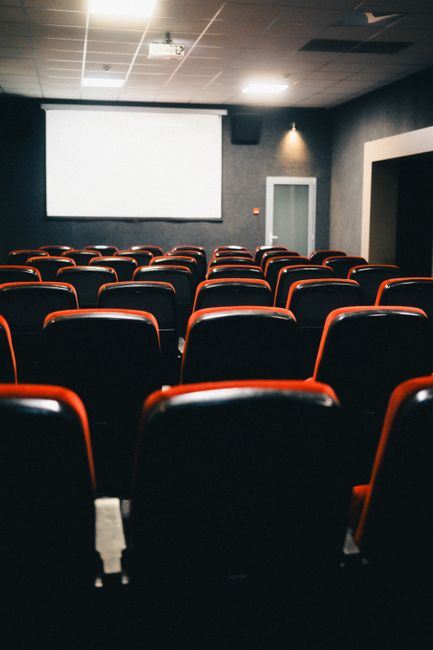
Transform Your Living Room: The Ultimate Home Theater Guide
The allure of a dedicated home theater experience, once the exclusive domain of affluent cinephiles, is now more accessible than ever. Transforming your living room into a captivating cinematic sanctuary is not just about acquiring the latest gadgets; it’s a holistic approach to creating an immersive environment that elevates your movie nights, gaming sessions, and even casual TV viewing. This guide will walk you through the essential elements, from foundational acoustics and lighting to the nuanced selection of audio-visual components, empowering you to craft a home theater that rivals professional cinemas.
I. The Foundation: Room Acoustics and Layout
Before delving into electronics, understanding your room’s acoustic properties is paramount. Sound waves interact with surfaces, and uncontrolled reflections can lead to muddy audio, echoes, and a diminished sense of immersion.
- Room Shape and Size: Rectangular rooms generally offer better acoustics than square ones, which can create standing waves. Ideal dimensions minimize parallel surfaces. However, don’t despair if your living room isn’t perfect; strategic treatment can mitigate issues.
- Wall and Ceiling Treatment: Hard, bare surfaces reflect sound. Introduce soft furnishings like thick carpets, heavy curtains, upholstered furniture, and strategically placed acoustic panels. Bass traps in corners are crucial for controlling low-frequency buildup. Consider fabric-wrapped panels for a blend of aesthetics and acoustic performance. DIY options exist, but commercially available panels offer precise absorption coefficients.
- Speaker Placement: This is critical for achieving a cohesive soundstage. Follow industry standards for surround sound configurations (e.g., 5.1, 7.1, Dolby Atmos).
- Front Left/Right: Positioned at ear level, equidistant from the screen and the primary listening position, forming an equilateral triangle with the listener.
- Center Channel: Directly above or below the screen, angled towards the listener, for clear dialogue.
- Surround Speakers: To the sides and slightly behind the listener, at ear level or slightly above, creating an immersive sound field.
- Rear Surround Speakers (for 7.1): Behind the listener, at ear level.
- Height/Atmos Speakers: Mounted on the ceiling or high on walls, depending on the specific Atmos configuration, for overhead effects.
- Listening Position: The “sweet spot” is the ideal location for experiencing the full impact of your audio and video. It should be centered and equidistant from the front speakers. Avoid placing your listening position too close to the back wall, which can amplify bass.
II. Visual Immersion: The Display and Projector
The centerpiece of any home theater is the display. The choice between a television and a projector depends on your room’s capabilities and your desired viewing experience.
- Televisions:
- OLED: Offers unparalleled contrast, true blacks, and vibrant colors. Ideal for dedicated dark rooms.
- QLED/Mini-LED: Provide excellent brightness, good contrast, and vibrant colors, making them suitable for rooms with ambient light.
- Size Matters: Aim for a screen size that fills a significant portion of your field of vision without causing eye strain. A common recommendation is a viewing distance of 1.5 to 2.5 times the screen’s diagonal measurement.
- Resolution: 4K (UHD) is the current standard, offering four times the detail of 1080p. 8K is emerging but content is still limited.
- HDR (High Dynamic Range): Essential for lifelike images with expanded contrast and color. Look for HDR10, HDR10+, and Dolby Vision support.
- Projectors:
- Types: DLP, LCD, and LCoS (SXRD/D-ILA) each have their strengths. DLP offers sharp images and good contrast; LCD excels in color accuracy; LCoS combines the best of both.
- Brightness (Lumens): Crucial for overcoming ambient light. For a dark room, 1500-2500 lumens is often sufficient. For rooms with some light control, 2500+ lumens is recommended.
- Resolution and HDR: Similar considerations to TVs. 4K projectors are widely available and offer a stunning cinematic experience.
- Screen: A high-quality projector screen is as important as the projector itself. Fixed-frame screens offer a flat surface for optimal image quality. Consider gain (reflectivity) and ambient light rejection (ALR) properties based on your room.
- Throw Distance: The distance between the projector and the screen, determining the image size. Ensure your projector’s throw ratio is compatible with your room dimensions.
III. Auditory Excellence: The Sound System
A compelling audio experience is what truly distinguishes a home theater. This involves selecting the right components and configuring them for optimal performance.
- AV Receiver (AVR): The brain of your home theater. It decodes audio formats, amplifies sound, and switches between various inputs.
- Channels: Choose an AVR with enough channels to support your desired surround sound configuration (e.g., 7.2 channels for 5.1.2 Atmos).
- Power Output: Ensure sufficient wattage per channel to drive your chosen speakers.
- Dolby Atmos and DTS:X Support: Essential for immersive, object-based audio.
- HDMI Ports and eARC: Support for the latest HDMI standards (e.g., HDMI 2.1) and eARC (enhanced Audio Return Channel) for lossless audio transmission.
- Room Calibration: Most AVRs include automatic room correction software (e.g., Audyssey, YPAO) to optimize sound based on your room’s acoustics.
- Speakers: A balanced speaker system is key to a rich soundscape.
- Front Left/Right (Bookshelf or Floorstanding): Provide the main stereo sound and much of the movie’s soundtrack. Floorstanding speakers generally offer a fuller bass response.
- Center Channel: Crucial for clear dialogue. It should be voiced to match your front speakers for seamless sound panning.
- Surround Speakers (Bookshelf or Wall-Mountable): Create the immersive ambient effects.
- Subwoofer: The backbone of low-frequency effects (LFE). A single, well-placed subwoofer is essential for impactful bass. Consider dual subwoofers for more even bass distribution.
- Height Speakers (for Atmos): Can be ceiling-mounted, up-firing, or integrated into front/rear speakers.
- Cables and Connections: Invest in high-quality HDMI cables (certified for the required bandwidth, e.g., Ultra High Speed for HDMI 2.1) and speaker wire (appropriate gauge for the length of the run).
IV. The Atmosphere: Lighting and Control
Lighting plays a pivotal role in setting the mood and enhancing the viewing experience.
- Ambient Lighting: Soft, indirect lighting is ideal. Consider recessed LED lighting with dimmable capabilities. Smart lighting systems offer the most flexibility, allowing you to create custom lighting scenes for different movie genres or moods.
- Accent Lighting: Subtle lighting behind the screen (bias lighting) can reduce eye strain and improve perceived contrast. LED strips are a popular choice.
- Light Control: Blackout curtains or blinds are essential for controlling external light, especially when using a projector.
- Remote Control and Automation: A universal remote or a smart home hub can consolidate control of your AVR, display, lighting, and other devices, simplifying operation and enhancing convenience. Voice control integration is also a valuable addition.
V. The Extras: Seating and Comfort
Comfort is paramount for extended viewing sessions.
- Seating Options: From plush recliners with built-in cup holders and USB ports to tiered seating for a true cinema feel, choose seating that complements your room and lifestyle.
- Ergonomics: Ensure your seating provides adequate lumbar support and is positioned at the correct viewing height.
- Acoustic Properties of Seating: Upholstered furniture contributes to acoustic diffusion, which is beneficial.
By meticulously planning and implementing these elements, you can transform your ordinary living room into an extraordinary home theater, a personal oasis of cinematic entertainment for years to come.