
Top Wireless Headphones: Your Ultimate Buying Guide
Navigating the vast landscape of wireless headphones can feel overwhelming. From bone conduction marvels to noise-canceling titans, the market offers a dizzying array of options. This comprehensive guide cuts through the clutter, equipping you with the knowledge to find your perfect audio companion, whether you’re a discerning audiophile, a dedicated fitness enthusiast, or a frequent traveler. We’ll delve into key features, explore different form factors, and highlight some of the current top contenders, empowering you to make an informed purchase.
Understanding Key Wireless Headphone Features:
Before diving into specific models, let’s demystify the essential technologies and features that define modern wireless headphones.
-
Bluetooth Version & Codecs: Bluetooth is the backbone of wireless audio. Newer versions (e.g., Bluetooth 5.0, 5.1, 5.2) offer improved range, stability, and power efficiency. Codecs dictate how audio data is transmitted. SBC is the baseline, found on all devices. AAC is favored by Apple devices for better quality. aptX and LDAC (developed by Qualcomm and Sony respectively) offer near-CD quality audio, crucial for audiophiles. Some headphones support multiple codecs, allowing for flexibility.
-
Active Noise Cancellation (ANC): ANC is a game-changer for commuters and travelers. It uses microphones to detect ambient noise and generate opposing sound waves to cancel it out. The effectiveness of ANC varies significantly between models, with premium options offering superior noise reduction across a wider frequency range. Look for adjustable ANC levels and transparency modes (which allow ambient sound in).
-
Sound Quality: This is subjective but can be assessed through several factors. Driver size (measured in millimeters) generally correlates with bass response. Frequency response (measured in Hz) indicates the range of sounds the headphones can reproduce. A wider frequency response generally means a more detailed sound. Soundstage refers to the perceived spaciousness of the audio. Ultimately, reading reviews from reputable audio publications and considering your preferred music genres is key.
-
Battery Life: Wireless headphones are only as good as their battery. Manufacturers quote playtime with and without ANC activated. Consider your daily usage needs. Many cases for true wireless earbuds also offer additional charges, significantly extending overall listening time. Fast charging is another valuable feature, providing several hours of playback from a short charge.
-
Comfort and Fit: This is paramount for extended listening sessions. For over-ear headphones, consider earcup material (plush leatherette, breathable velour), headband padding, and clamping force. For in-ear headphones (earbuds), the quality and variety of ear tip materials (silicone, foam) and sizes are crucial for a secure and comfortable seal.
-
Durability and Water Resistance: For fitness enthusiasts or those prone to the elements, water and sweat resistance ratings (IPX ratings) are essential. An IPX4 rating is generally sufficient for sweat resistance, while higher ratings indicate protection against splashes or even submersion.
-
Connectivity and Multipoint Pairing: Reliable Bluetooth connectivity is non-negotiable. Multipoint pairing allows headphones to connect to two devices simultaneously, seamlessly switching between your phone and laptop, for example.
Exploring Different Wireless Headphone Form Factors:
The form factor of your wireless headphones significantly impacts their intended use and overall experience.
-
True Wireless Stereo (TWS) Earbuds: These are the most popular choice for their compact size and complete freedom from wires. They consist of two independent earbuds that connect to your device via Bluetooth. While offering unparalleled portability, battery life can be shorter per charge compared to other types, relying on charging cases.
-
Wireless Neckband Earbuds: These feature two earbuds connected by a flexible band that rests around your neck. This design often offers longer battery life than TWS earbuds and a more secure fit, making them ideal for active users. The neckband can also house controls and larger batteries.
-
On-Ear Wireless Headphones: These sit directly on your ears. They are generally more portable than over-ear models but can sometimes exert pressure on your ears during long listening sessions. They offer a good balance of sound quality and portability.
-
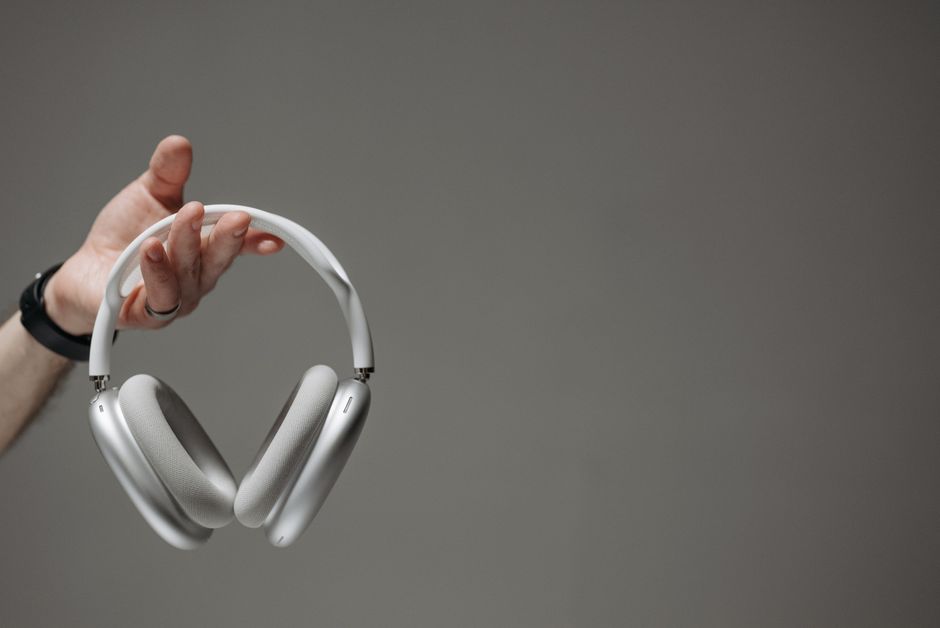
Over-Ear Wireless Headphones: These fully enclose your ears, providing excellent passive noise isolation and often the best sound quality and comfort for extended use. They are typically larger and less portable than other options but excel in immersive listening experiences and noise cancellation.
Top Wireless Headphones to Consider (Based on Category):
Here are some of the leading wireless headphones currently on the market, categorized to help you pinpoint the best fit for your needs.
Best for Overall Performance & Noise Cancellation:
-
Sony WH-1000XM5: The undisputed king of ANC, the WH-1000XM5 continues Sony’s legacy. Its industry-leading noise cancellation is remarkably effective, creating a silent sanctuary for your audio. The sound quality is superb, with a balanced profile and rich detail. Comfort is excellent, and battery life is impressive. Features like Speak-to-Chat and adaptive sound control further enhance the user experience. While expensive, the performance justifies the price for those prioritizing the best ANC and audio.
-
Bose QuietComfort Ultra Headphones: Bose remains a formidable competitor in the ANC space. The QuietComfort Ultra offers exceptional noise cancellation that rivals Sony’s, with a slightly warmer sound signature that many find pleasing. They are incredibly comfortable for long wear, and the build quality is premium. Bose’s implementation of spatial audio is also noteworthy, providing an immersive listening experience.
Best True Wireless Earbuds (All-Around):
-
Apple AirPods Pro (2nd generation): For iPhone users, the AirPods Pro 2 are an almost seamless extension of the Apple ecosystem. They boast excellent ANC, impressive transparency mode, and spatial audio with dynamic head tracking. The H2 chip delivers improved audio quality and battery life. Their comfortable fit and intuitive controls make them a joy to use daily.
-
Sennheiser Momentum True Wireless 3: Sennheiser is renowned for its audio prowess, and the Momentum True Wireless 3 deliver. They offer exceptional sound quality with a rich, detailed, and dynamic presentation. ANC is effective, and the fit is secure and comfortable with various ear tip options. Multipoint pairing and support for aptX Adaptive codecs are significant advantages.
Best True Wireless Earbuds (Fitness & Durability):
-
Jabra Elite 7 Active: Designed for active lifestyles, the Elite 7 Active feature a ShakeGrip coating for a secure fit even during intense workouts. They boast an IP57 rating for dust and water resistance, making them robust enough for any activity. ANC is good, and the sound quality is well-balanced. Jabra’s companion app offers extensive customization options.
-
Beats Fit Pro: A strong contender for athletes, the Fit Pro offer a secure wingtip design that stays put during vigorous movement. They feature active noise cancellation, a transparency mode, and spatial audio. Integration with the Apple ecosystem is strong, but they also perform well with Android devices. Battery life is respectable, and they offer a comfortable and durable fit.
Best Budget-Friendly Wireless Headphones:
-
Anker Soundcore Liberty 4 NC: Anker consistently delivers excellent value, and the Liberty 4 NC are no exception. They offer surprisingly good ANC for their price point, along with decent sound quality and a comfortable fit. Battery life is a standout feature, and the companion app provides EQ customization and ANC adjustments.
-
JBL Tune 710BT: These over-ear headphones offer a comfortable listening experience and respectable sound quality for their price. They provide a decent battery life and a foldable design for portability. While they lack ANC, their passive isolation is adequate for many everyday situations.
Final Considerations Before You Buy:
- Your Primary Use Case: Are you primarily looking for noise cancellation for travel, a secure fit for workouts, or the absolute best audio fidelity?
- Your Budget: Wireless headphones range from under $50 to over $400. Determine your budget beforehand to narrow down your options.
- Your Existing Ecosystem: If you’re heavily invested in Apple or Android, consider how well the headphones integrate with your devices.
- Read Reviews: Once you’ve narrowed down your choices, consult reviews from reputable tech and audio publications. Pay attention to user feedback regarding comfort, battery life, and long-term durability.
By understanding these key features, form factors, and considering your personal needs, you’ll be well-equipped to choose the top wireless headphones that will elevate your listening experience for years to come.