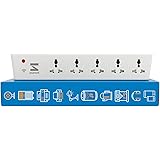
Smart plugs are revolutionizing home automation, transforming ordinary appliances into intelligent devices with a tap of your smartphone or a voice command. These compact gadgets offer a seamless blend of convenience, energy savings, and enhanced control, making them an essential component of any modern smart home. This comprehensive guide delves into the multifaceted world of smart plugs, exploring their key features and diverse applications.
Understanding the Core Technology: How Smart Plugs Work
At their heart, smart plugs are sophisticated adapters that plug into a standard wall outlet. They then provide a controllable outlet for your appliance. The magic lies in their integrated Wi-Fi or Bluetooth connectivity, allowing them to communicate wirelessly with your home network and, consequently, with your smartphone or smart assistant. This connection enables remote control, scheduling, and integration with other smart home devices.
Connectivity Options:
- Wi-Fi: The most prevalent technology, Wi-Fi smart plugs connect directly to your existing home wireless network. This offers broad compatibility and ease of setup, but can be susceptible to network congestion if you have many connected devices.
- Bluetooth: Bluetooth smart plugs create a direct connection with your smartphone or a dedicated hub. While offering a more stable connection for individual devices, their range is typically shorter than Wi-Fi.
- Zigbee/Z-Wave: These low-power, mesh networking protocols are often found in more advanced smart home systems. They require a compatible hub but offer superior range, reliability, and energy efficiency, especially in larger homes.
Essential Features of Smart Plugs: What to Look For
When choosing a smart plug, several features can significantly enhance its functionality and your overall smart home experience.
1. Remote Control: This is the foundational feature. The ability to turn any connected appliance on or off from anywhere with an internet connection via a smartphone app is the primary draw of smart plugs. Whether you’ve forgotten to turn off a lamp or want to pre-heat your coffee maker before waking up, remote control offers unparalleled convenience.
2. Scheduling and Timers: Beyond simple on/off functionality, smart plugs excel at automation. You can set schedules for devices to turn on or off at specific times of the day or week. This is invaluable for security (simulating occupancy), energy management (turning off lights at night), and convenience (waking up to a brewed pot of coffee). Timers offer a one-off countdown to switch a device off, perfect for tasks like drying paint or ensuring a fan doesn’t run all night.
3. Voice Control Integration: Seamless integration with popular voice assistants like Amazon Alexa, Google Assistant, and Apple’s Siri unlocks hands-free control. Simply say, “Alexa, turn on the living room fan,” or “Hey Google, switch off the bedside lamp,” and your smart plug responds. This adds another layer of effortless convenience to your daily routines.
4. Energy Monitoring: Many smart plugs go beyond basic control to provide valuable insights into your energy consumption. They can track the power usage of connected appliances in real-time, offering historical data and even identifying energy-hungry devices. This feature is crucial for understanding your electricity bills, identifying potential energy waste, and making informed decisions to reduce your carbon footprint and save money.
5. Scene and Routine Creation: Smart plugs are a cornerstone of building sophisticated smart home routines. You can group multiple smart plugs and other smart devices to activate or deactivate simultaneously with a single command or trigger. For instance, a “Goodnight” routine could turn off all lights, lock smart doors, and adjust the thermostat. Similarly, a “Morning” routine could brew coffee, turn on the news, and open smart blinds.
6. Surge Protection: For added peace of mind, some smart plugs incorporate surge protection. This safeguards your connected electronics from sudden voltage spikes, protecting them from damage and extending their lifespan. This is particularly important for sensitive or expensive appliances.
7. Compact Design and Multiple Outlets: The physical design of a smart plug is also worth considering. Compact models are less likely to obstruct adjacent outlets, allowing you to utilize your entire power strip. Some smart plugs even offer multiple outlets within a single unit, further maximizing convenience and minimizing clutter.
8. App Functionality and User Interface: The accompanying smartphone app is your primary interface with smart plugs. A well-designed app with an intuitive user interface makes setup, control, and customization a breeze. Look for apps that offer clear navigation, easy scheduling options, and comprehensive energy monitoring data.
9. Geofencing: This advanced feature allows smart plugs to react based on your location. For example, a smart plug connected to your outdoor lights could automatically turn them on when you’re within a certain radius of your home and turn them off when you leave.
10. Compatibility with Smart Home Hubs: For users invested in a particular smart home ecosystem (e.g., Samsung SmartThings, Apple HomeKit), ensuring compatibility with their existing hub is paramount. This allows for unified control and more complex automation scenarios.
Diverse Uses of Smart Plugs: Enhancing Everyday Life
The versatility of smart plugs means they can be integrated into almost every aspect of your home, offering solutions for a wide range of needs.
1. Lighting Control:
- Ambient Lighting: Control lamps, string lights, and accent lighting remotely or on a schedule to create specific moods or simulate occupancy for security.
- Outdoor Lighting: Automate garden lights, porch lights, or holiday decorations for convenience and enhanced curb appeal.
- Plant Growth Lights: Ensure your indoor plants receive the optimal amount of light by scheduling grow lights to turn on and off consistently.
2. Appliance Management:
- Coffee Makers: Schedule your coffee maker to start brewing before you wake up for the perfect morning routine.
- Fans and Heaters: Remotely control portable fans and heaters to ensure comfort before you arrive home or to save energy when rooms are unoccupied.
- Aquarium Equipment: Automate aquarium filters, heaters, and lights to maintain a stable environment for your aquatic pets.
- Air Purifiers: Schedule air purifiers to run during specific times of the day or when air quality is poor.
3. Security and Peace of Mind:
- Simulating Occupancy: Schedule lights and radios to turn on and off randomly when you’re away on vacation, deterring potential intruders.
- Monitoring Appliances: Receive notifications if a connected appliance unexpectedly turns on or off, providing an extra layer of security for critical devices.
- Water Leak Detection: While not a direct function, a smart plug can be used to control a pump that activates a notification system when a certain water level is reached.
4. Energy Savings and Efficiency:
- Eliminate Standby Power (Vampire Drain): Many electronics consume power even when turned off. Smart plugs can completely cut power to these devices when not in use, significantly reducing energy waste.
- Optimize Heating and Cooling: Control fans and portable heaters to ensure they are only running when needed, complementing your smart thermostat.
- Track and Reduce Consumption: Utilize energy monitoring features to identify energy-hungry appliances and adjust usage patterns to lower electricity bills.
5. Convenience and Accessibility:
- Elderly and Disabled Assistance: Smart plugs can make it easier for individuals with mobility issues to control appliances without needing to reach or bend.
- Pet Care: Schedule automatic feeders or pet fountains to ensure your furry friends are well-cared for, even when you’re not home.
- Crafting and Hobby Stations: Easily control tools and lights for your creative endeavors without fumbling for switches.
6. Entertainment Systems:
- Gaming Consoles: Turn off power-hungry gaming consoles completely to prevent standby power consumption when not in use.
- Media Centers: Schedule projectors or entertainment systems to turn on and off at specific times for movie nights or presentations.
7. Smart Home Integration Hub:
- Triggering Automation: Use a smart plug as a trigger for more complex smart home routines. For example, when a smart plug connected to a device turns on, it could initiate a series of other actions.
- Bridging Non-Smart Devices: Transform almost any plug-in device into a smart device, allowing it to participate in your automated home.
By understanding the diverse features and exploring the myriad of uses, you can unlock the full potential of smart plugs and elevate your home into a more convenient, efficient, and intelligent living space.
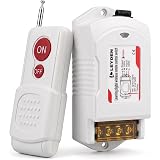
LEYDEN LE-RFC1KM 220VAC 30A RF Remote Control Switch up to 1000m Open Land Range, Heavy Duty Wireless ON/OFF Switch for 2HP Motor, Water Pump, Agriculture, Manual Button
₹1,299.00 (as of September 19, 2026 15:29 GMT +05:30 - More infoProduct prices and availability are accurate as of the date/time indicated and are subject to change. Any price and availability information displayed on [relevant Amazon Site(s), as applicable] at the time of purchase will apply to the purchase of this product.)
IOTICS 10A WiFi Smart Plug | Smart Socket with App Control | Timer & Schedule | Compatible with Alexa & Google Assistant | Suitable for TVs, Mobile & Laptop Chargers, Lamps & Small Appliances
₹1,750.00 (as of September 19, 2026 15:29 GMT +05:30 - More infoProduct prices and availability are accurate as of the date/time indicated and are subject to change. Any price and availability information displayed on [relevant Amazon Site(s), as applicable] at the time of purchase will apply to the purchase of this product.)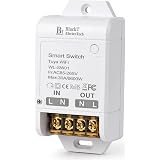
Blackt Electrotech WiFi Smart Switch 30A for Geyser & AC, Works with Alexa & Google Home, Mobile App Control with Timer & Schedule, No Hub Required, Heavy Duty Smart Switch for Appliances | BT74S
₹1,196.00 (as of September 19, 2026 15:29 GMT +05:30 - More infoProduct prices and availability are accurate as of the date/time indicated and are subject to change. Any price and availability information displayed on [relevant Amazon Site(s), as applicable] at the time of purchase will apply to the purchase of this product.)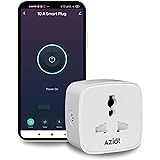
AZIOT 10A Smart Plug with Energy Monitoring – WiFi/Bluetooth – Made in India – Timer Function – Works with Google Home & Amazon Alexa
₹739.00 (as of September 19, 2026 15:29 GMT +05:30 - More infoProduct prices and availability are accurate as of the date/time indicated and are subject to change. Any price and availability information displayed on [relevant Amazon Site(s), as applicable] at the time of purchase will apply to the purchase of this product.)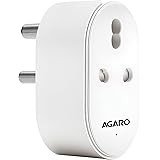
AGARO Regency 16A Wi-Fi Smart Plug with Energy Monitoring & App Control, Compatible with Alexa & Google Assistant, Voice Control for Geyser, AC & Other Heavy Appliances, Timer & Scheduling, White
₹699.00 (as of September 19, 2026 15:29 GMT +05:30 - More infoProduct prices and availability are accurate as of the date/time indicated and are subject to change. Any price and availability information displayed on [relevant Amazon Site(s), as applicable] at the time of purchase will apply to the purchase of this product.)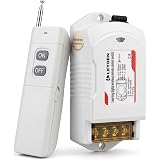
LEYDEN LE-RFC3KM 220VAC 30A RF Remote Control Switch up to 3000m Open Land Range, Heavy Duty Wireless ON/OFF Switch for 2HP Motor, Water Pump, Agriculture, Manual Button
₹1,599.00 (as of September 19, 2026 15:29 GMT +05:30 - More infoProduct prices and availability are accurate as of the date/time indicated and are subject to change. Any price and availability information displayed on [relevant Amazon Site(s), as applicable] at the time of purchase will apply to the purchase of this product.)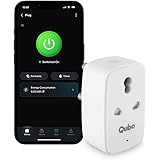
Qubo 16A Wi-Fi + Bluetooth Smart Plug | Energy Monitoring | Ideal for Heavy Appliances Like ACs, Geysers & Water Pumps | Voice Control with Alexa & Google Assistant | From Hero Group
₹899.00 (as of September 19, 2026 15:29 GMT +05:30 - More infoProduct prices and availability are accurate as of the date/time indicated and are subject to change. Any price and availability information displayed on [relevant Amazon Site(s), as applicable] at the time of purchase will apply to the purchase of this product.)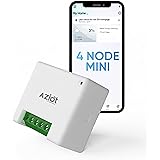
AZIOT 4 Node Smart Switch Mini - WiFi/Bluetooth Communication - Made in India - Timer Function - Works with Google Home and Amazon Alexa… (2 Module Size)
₹1,299.00 (as of September 19, 2026 15:29 GMT +05:30 - More infoProduct prices and availability are accurate as of the date/time indicated and are subject to change. Any price and availability information displayed on [relevant Amazon Site(s), as applicable] at the time of purchase will apply to the purchase of this product.)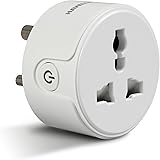
Havells 10 A Wi-Fi Smart Plug (White) with Voice Control & Energy Monitoring — Compatible with Alexa and Google Assistant
₹799.00 (as of September 19, 2026 15:29 GMT +05:30 - More infoProduct prices and availability are accurate as of the date/time indicated and are subject to change. Any price and availability information displayed on [relevant Amazon Site(s), as applicable] at the time of purchase will apply to the purchase of this product.)
Wipro 10A smart plug with Energy monitoring- Suitable for small appliances like TVs, Electric Kettle, Mobile and Laptop Chargers (Works with Alexa and Google Assistant)
₹908.00 (as of September 19, 2026 15:29 GMT +05:30 - More infoProduct prices and availability are accurate as of the date/time indicated and are subject to change. Any price and availability information displayed on [relevant Amazon Site(s), as applicable] at the time of purchase will apply to the purchase of this product.)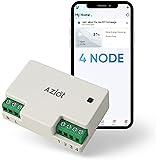
AZIOT 4 Node Smart Switch - Wifi/Bluetooth Communication - Made in India - Timer Function - Voice command (4 Node)
₹998.00 (as of September 19, 2026 15:29 GMT +05:30 - More infoProduct prices and availability are accurate as of the date/time indicated and are subject to change. Any price and availability information displayed on [relevant Amazon Site(s), as applicable] at the time of purchase will apply to the purchase of this product.)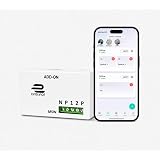
Smart 2 Node Switch Module 16A (White) | | SW2R2T0A16-W |Smart Control & Vpice control | App control & Time schedualing | Made in India
₹1,199.00 (as of September 19, 2026 15:29 GMT +05:30 - More infoProduct prices and availability are accurate as of the date/time indicated and are subject to change. Any price and availability information displayed on [relevant Amazon Site(s), as applicable] at the time of purchase will apply to the purchase of this product.)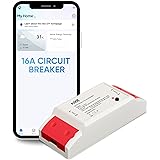
Aziot WiFi + BLE Smart Circuit Breaker - 16Amp, Compatible with Alexa & Google Assistant, Easy Installation, Made in India
₹719.00 (as of September 19, 2026 15:29 GMT +05:30 - More infoProduct prices and availability are accurate as of the date/time indicated and are subject to change. Any price and availability information displayed on [relevant Amazon Site(s), as applicable] at the time of purchase will apply to the purchase of this product.)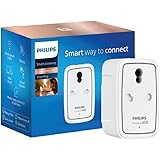
PHILIPS 6-16A Smart WiFi Plug | Wiz Connected Voice Controlled, Amazon Alexa & Google Assistant Compatible Smart Plug with Energy Consumption Monitoring, Pack of 1
₹999.00 (as of September 19, 2026 15:29 GMT +05:30 - More infoProduct prices and availability are accurate as of the date/time indicated and are subject to change. Any price and availability information displayed on [relevant Amazon Site(s), as applicable] at the time of purchase will apply to the purchase of this product.)
Tapo P110 16A Wi-Fi Smart Plug with Energy Monitoring, Suitable for High-Power Appliances & Microwave Ovens, Remote Control, Timer & Schedule, Works with Alexa, Google Assistant, Apple Home
₹899.00 (as of September 19, 2026 15:29 GMT +05:30 - More infoProduct prices and availability are accurate as of the date/time indicated and are subject to change. Any price and availability information displayed on [relevant Amazon Site(s), as applicable] at the time of purchase will apply to the purchase of this product.)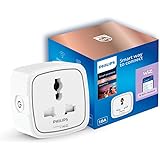
PHILIPS 10A Smart WiFi Plug | Wiz Connected Voice Controlled, Amazon Alexa & Google Assistant Compatible Smart Plug with Energy Consumption Monitoring, Pack of 1
₹999.00 (as of September 19, 2026 15:29 GMT +05:30 - More infoProduct prices and availability are accurate as of the date/time indicated and are subject to change. Any price and availability information displayed on [relevant Amazon Site(s), as applicable] at the time of purchase will apply to the purchase of this product.)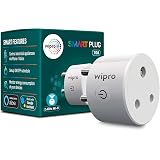
Wipro 10 Amp Smart Plug
₹609.00 (as of September 19, 2026 15:29 GMT +05:30 - More infoProduct prices and availability are accurate as of the date/time indicated and are subject to change. Any price and availability information displayed on [relevant Amazon Site(s), as applicable] at the time of purchase will apply to the purchase of this product.)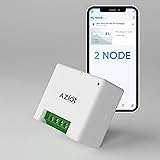
AZIOT 2 Node Smart Switch - WiFi/Bluetooth Communication - Made in India - Timer Function - Works with Google Home and Amazon Alexa… (2 Node)
₹879.00 (as of September 19, 2026 15:29 GMT +05:30 - More infoProduct prices and availability are accurate as of the date/time indicated and are subject to change. Any price and availability information displayed on [relevant Amazon Site(s), as applicable] at the time of purchase will apply to the purchase of this product.)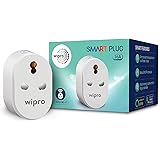
Wipro 16A Wi-Fi Smart Plug with Energy Monitoring- Suitable for Large Appliances like Geysers, Microwave Ovens, Air Conditioners (Works with Alexa and Google Assistant)- White
₹999.00 (as of September 19, 2026 15:29 GMT +05:30 - More infoProduct prices and availability are accurate as of the date/time indicated and are subject to change. Any price and availability information displayed on [relevant Amazon Site(s), as applicable] at the time of purchase will apply to the purchase of this product.)