
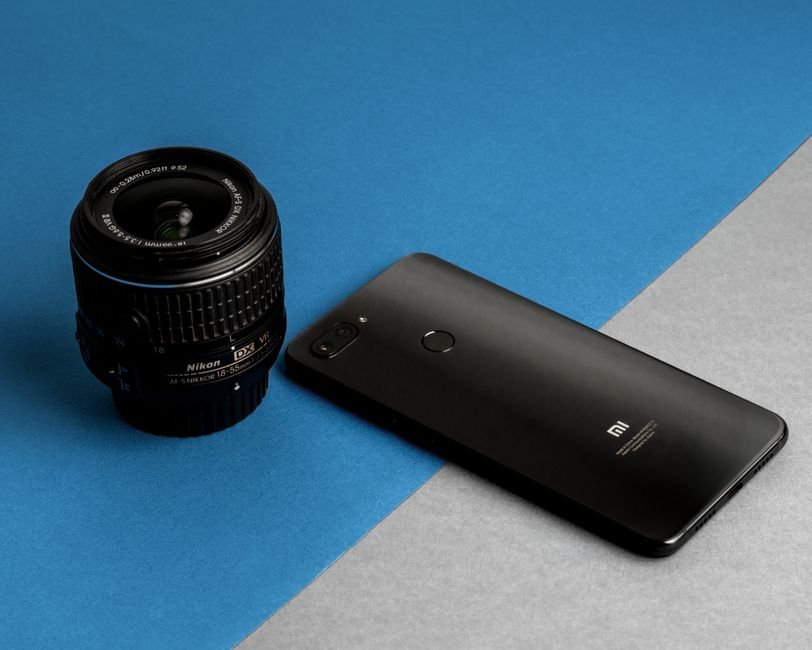
Capture Brilliance Without Breaking the Bank: Your Guide to the Best Camera Phones Under ₹15,000
In today’s visually-driven world, a good smartphone camera is no longer a luxury; it’s a necessity. Whether you’re documenting everyday moments, building a social media presence, or simply want to capture memories with clarity, a capable camera phone is essential. The good news? You don’t need to spend a fortune to get impressive photographic results. The sub-₹15,000 segment in the Indian smartphone market has witnessed a dramatic surge in camera technology, offering features that were once exclusive to flagship devices. This guide will navigate you through the best camera phones under ₹15,000, empowering you to make an informed decision and elevate your mobile photography game.
Understanding the Key Camera Specifications to Look For:
Before diving into specific models, it’s crucial to understand what makes a smartphone camera “good” within this budget. Don’t get swayed solely by megapixel counts; other factors play a significant role.
- Main Sensor Resolution (Megapixels): While higher megapixels can offer more detail and cropping flexibility, they aren’t the sole determinant of image quality. Look for sensors that intelligently combine pixels (pixel binning) for better low-light performance. 48MP, 50MP, and even 64MP sensors are common and can produce excellent results when paired with good processing.
- Aperture (f-number): A lower f-number (e.g., f/1.8, f/1.7) indicates a wider aperture, allowing more light to enter the sensor. This is crucial for low-light photography, enabling brighter and less noisy images.
- Sensor Size: A larger sensor can capture more light and detail, leading to better dynamic range and reduced noise. While specific sensor sizes are rarely advertised prominently in this segment, it’s a factor to consider if reviews mention it.
- Image Stabilization (OIS/EIS): Optical Image Stabilization (OIS) physically compensates for hand shake, resulting in sharper photos and smoother videos, especially in low light and when zooming. Electronic Image Stabilization (EIS) uses software to achieve a similar effect, which can be effective but sometimes results in a slight loss of detail. OIS is generally preferred.
- Ultrawide Lens: A secondary ultrawide lens allows you to capture a much wider field of view, perfect for landscapes, group shots, and architectural photography. Look for a respectable resolution (e.g., 8MP) and a decent field of view (e.g., 115-120 degrees).
- Macro Lens: A dedicated macro lens enables you to take close-up shots of small subjects like flowers and insects, revealing intricate details. While often lower resolution (e.g., 2MP), they can be fun for creative photography.
- Depth Sensor: A depth sensor assists in creating a natural-looking bokeh effect (background blur) in portrait shots, separating the subject from the background.
- Software and AI Enhancements: The phone’s image processing software plays a vital role. Look for features like Night Mode, HDR, AI Scene Detection, and Portrait Mode, which can significantly improve the quality of your photos.
- Front Camera: Don’t forget the selfie camera! Look for decent resolution (e.g., 13MP, 16MP) and good low-light performance if selfies are a priority.
The Contenders: Top Camera Phones Under ₹15,000 (as of late 2023/early 2024):
The market is dynamic, with new models frequently launching. However, based on current trends and consistent performance, these devices frequently stand out for their camera capabilities within the ₹15,000 price bracket.
1. Redmi Note Series (e.g., Redmi Note 12/13 Series):
Xiaomi’s Redmi Note series has consistently been a strong contender in the budget segment, and their camera performance has seen significant improvements.
- Key Strengths: Often feature a high-resolution main sensor (e.g., 50MP or 64MP) with decent pixel binning capabilities. Many models include an 8MP ultrawide lens, offering versatility. Their AI scene detection and processing are generally quite good, delivering vibrant and punchy images in daylight. Night mode performance is usually commendable for the price, offering usable shots in dimly lit conditions. The front cameras are also typically decent for everyday selfies.
- Considerations: While good, the ultrawide and macro lenses might not be the sharpest. Video recording capabilities are usually adequate for casual use but may lack advanced stabilization.
- Why it’s a Top Pick: The Redmi Note series offers a compelling all-round package, with a strong emphasis on the main camera’s performance. They strike a good balance between hardware and software optimization, making them a reliable choice for everyday photography.
2. realme Number Series (e.g., realme 11 Series):
realme has been aggressively pushing the boundaries of camera technology in the budget segment, and their Number series often delivers impressive results.
- Key Strengths: Frequently boasts high-resolution primary sensors, sometimes even up to 108MP in certain configurations within this price range. realme often focuses on delivering bright and detailed images with good color reproduction. Their portrait mode is generally well-executed, with effective edge detection and natural-looking bokeh. Some models also offer improved ultrawide and macro lenses compared to competitors.
- Considerations: While the main sensor is often excellent, the supporting cameras might be less impressive. Software processing can sometimes be a bit aggressive with saturation.
- Why it’s a Top Pick: realme’s commitment to pushing megapixel counts and refining their image processing makes their phones attractive for those who want detailed stills. Their portrait mode is a significant highlight for users who enjoy capturing people.
3. POCO X Series (e.g., POCO X5 Pro):
POCO, known for its performance-oriented smartphones, also offers compelling camera options in its X series, often punching above its weight.
- Key Strengths: POCO often prioritizes a capable main sensor, delivering good detail and color accuracy in various lighting conditions. They tend to offer a balanced camera experience with a decent ultrawide lens. Their software optimization often results in pleasing, natural-looking photos. The inclusion of OIS in some of their higher-end budget models is a significant advantage for sharper shots and smoother videos.
- Considerations: While the main camera is strong, the secondary lenses might not be as advanced. The design language of POCO phones might not appeal to everyone.
- Why it’s a Top Pick: The POCO X series offers a well-rounded camera system with a focus on delivering reliable performance across different scenarios. The potential inclusion of OIS makes them a strong contender for those who value stable shots.
4. Samsung Galaxy M/F Series (e.g., Galaxy M34 5G):
Samsung’s budget offerings, particularly the M and F series, have been steadily improving their camera prowess.
- Key Strengths: Samsung’s image processing is known for its pleasing color science, often producing vibrant and eye-catching images. They frequently equip their budget phones with capable main sensors (e.g., 50MP with OIS) and decent ultrawide lenses. Their Super AMOLED displays ensure that what you see on the screen is a true representation of the photo you’ve captured. The front cameras are also generally very good.
- Considerations: While the main camera is strong, the supporting lenses might be more basic. The overall camera experience might feel slightly less feature-rich compared to some Chinese competitors.
- Why it’s a Top Pick: For users who prioritize accurate and pleasing colors, and a reliable overall camera experience with good OIS support, Samsung’s budget offerings are a strong choice. The excellent display complements the camera output beautifully.
5. Motorola G Series (e.g., Moto G84 5G):
Motorola has been making a comeback in the budget segment with phones that offer a clean software experience and surprisingly good cameras.
- Key Strengths: Motorola often focuses on delivering a more natural and less processed look to their images. They frequently equip their phones with high-resolution main sensors, sometimes even 50MP with OIS, which is a rarity in this price bracket. The clean Android experience means less bloatware and a more straightforward camera app.
- Considerations: The secondary lenses might be less capable. The availability of specific models and their pricing can fluctuate.
- Why it’s a Top Pick: For users who appreciate a clean software experience and natural-looking photos with the added benefit of OIS, Motorola’s G series presents an excellent option.
Tips for Maximizing Your Budget Camera Phone’s Potential:
- Master the Light: Photography is all about light. Shoot in well-lit conditions whenever possible. Golden hour (shortly after sunrise and before sunset) offers beautiful, soft light.
- Clean Your Lens: A smudged lens is the enemy of sharp photos. Make it a habit to wipe your camera lens with a microfiber cloth before shooting.
- Experiment with Modes: Don’t be afraid to explore different camera modes like Portrait, Night, Macro, and Pro (if available). Each mode