
The Ultimate Guide to Choosing the Best Wallet: Functionality Meets Style
The wallet, a ubiquitous accessory, is far more than a mere holder for cards and cash. It’s a statement piece, a testament to personal style, and a crucial tool for everyday organization. Navigating the vast landscape of wallet options can be daunting, with materials, designs, and functionalities aplenty. This comprehensive guide delves deep into the considerations that will empower you to choose the perfect wallet, one that seamlessly blends practicality with your individual aesthetic.
Understanding Your Needs: The Foundation of the Perfect Wallet
Before embarking on your wallet quest, a candid self-assessment is paramount. Consider your daily routine, the items you consistently carry, and your lifestyle.
- Card vs. Cash Dominance: Are you a digital nomad who primarily relies on cards, or do you still prefer the tangible feel of cash? This will significantly influence the wallet’s capacity and design. Minimalists might opt for sleek cardholders, while cash-heavy individuals will need more spacious bill compartments.
- Essential Carry Items: Beyond cards and cash, what else do you typically keep in your wallet? Driver’s license, ID cards, loyalty cards, photos, receipts, coins, or even small tools like a SIM card ejector? List these out to determine the necessary pocket configurations.
- Pocket vs. Bag Carry: Do you prefer to slip your wallet into your pocket, or does it reside in a handbag or briefcase? Pocket carry often necessitates a slimmer profile to avoid discomfort and bulky outlines. Bag carry offers more flexibility in terms of size and thickness.
- Durability and Longevity: How important is it for your wallet to withstand the rigors of daily use? If durability is a top priority, investing in high-quality materials and robust construction is essential.
- Security Concerns: Do you worry about RFID skimming? If so, an RFID-blocking wallet should be a non-negotiable feature.
Material Matters: Craftsmanship and Character
The material of your wallet dictates its look, feel, durability, and even its aging process. Each material offers a unique set of benefits and aesthetic appeals.
- Genuine Leather: The perennial favorite, genuine leather, offers a luxurious feel, exceptional durability, and a distinguished patina that develops with age.
- Full-Grain Leather: The highest quality, retaining the natural grain and imperfections of the hide. It’s incredibly strong, resistant to wear, and develops a beautiful patina.
- Top-Grain Leather: The second-highest grade, with the outermost layer of the hide buffed and corrected to remove imperfections. It’s still durable and develops a good patina, though slightly less so than full-grain.
- Genuine Leather (Split Leather): A lower grade, often made from the leftover layers after top-grain is removed. It’s less durable and may be coated to mimic higher-quality leather. Look for reputable brands to ensure quality.
- Considerations: Leather requires some maintenance (conditioning) to prevent drying and cracking. It can also be more expensive.
- Vegan Leather (Faux Leather): A cruelty-free alternative, vegan leather is typically made from polyurethane or PVC. Modern advancements have made these materials increasingly sophisticated, offering a similar look and feel to genuine leather at a lower price point.
- Pros: Affordable, water-resistant, easy to clean, and ethically sourced.
- Cons: Can be less durable than genuine leather, may not develop a patina, and can sometimes feel less premium.
- Canvas: A robust and casual option, canvas wallets are known for their durability and lightweight nature. They offer a more utilitarian and often sporty aesthetic.
- Pros: Affordable, lightweight, durable, and easy to clean.
- Cons: Less formal than leather, can be prone to staining if not treated.
- Nylon: Similar to canvas in its durability and lightweight properties, nylon wallets are often found in sporty or travel-oriented designs. They are highly resistant to water and wear.
- Pros: Extremely durable, water-resistant, lightweight, and affordable.
- Cons: Can lack the sophisticated aesthetic of leather.
- Metal: For a modern and minimalist approach, metal wallets offer unparalleled durability and a sleek, futuristic look. They are often designed with card slots and RFID protection as a core feature.
- Pros: Extremely durable, lightweight, and offers excellent RFID protection.
- Cons: Can be rigid, may scratch, and are typically designed for cards only.
Wallet Styles: Form Follows Function
The world of wallets is diverse, with each style catering to different preferences and needs. Understanding these styles is crucial to finding your perfect match.
- Bi-Fold Wallet: The classic and most popular choice, the bi-fold wallet folds in half, offering a compact profile for pocket carry. It typically features multiple card slots and a full-length bill compartment.
- Pros: Compact, versatile, good balance of capacity and slimness.
- Cons: Can become bulky if overstuffed.
- Tri-Fold Wallet: Folding in thirds, the tri-fold wallet offers more capacity than a bi-fold, with additional card slots and often a coin pocket. However, it can be thicker when folded.
- Pros: Increased capacity for cards and other items.
- Cons: Can be bulky and less comfortable for pocket carry.
- Cardholder: The epitome of minimalist design, cardholders are slim and sleek, designed primarily for carrying a few essential cards. Some may include a small slot for folded bills.
- Pros: Extremely slim, lightweight, ideal for minimalists.
- Cons: Limited capacity, not suitable for cash-heavy individuals.
- Money Clip Wallet: A fusion of a traditional money clip and a wallet, these options offer a secure way to hold bills while also providing card slots.
- Pros: Slim, secure for cash, often stylish.
- Cons: Limited capacity for cards and other items.
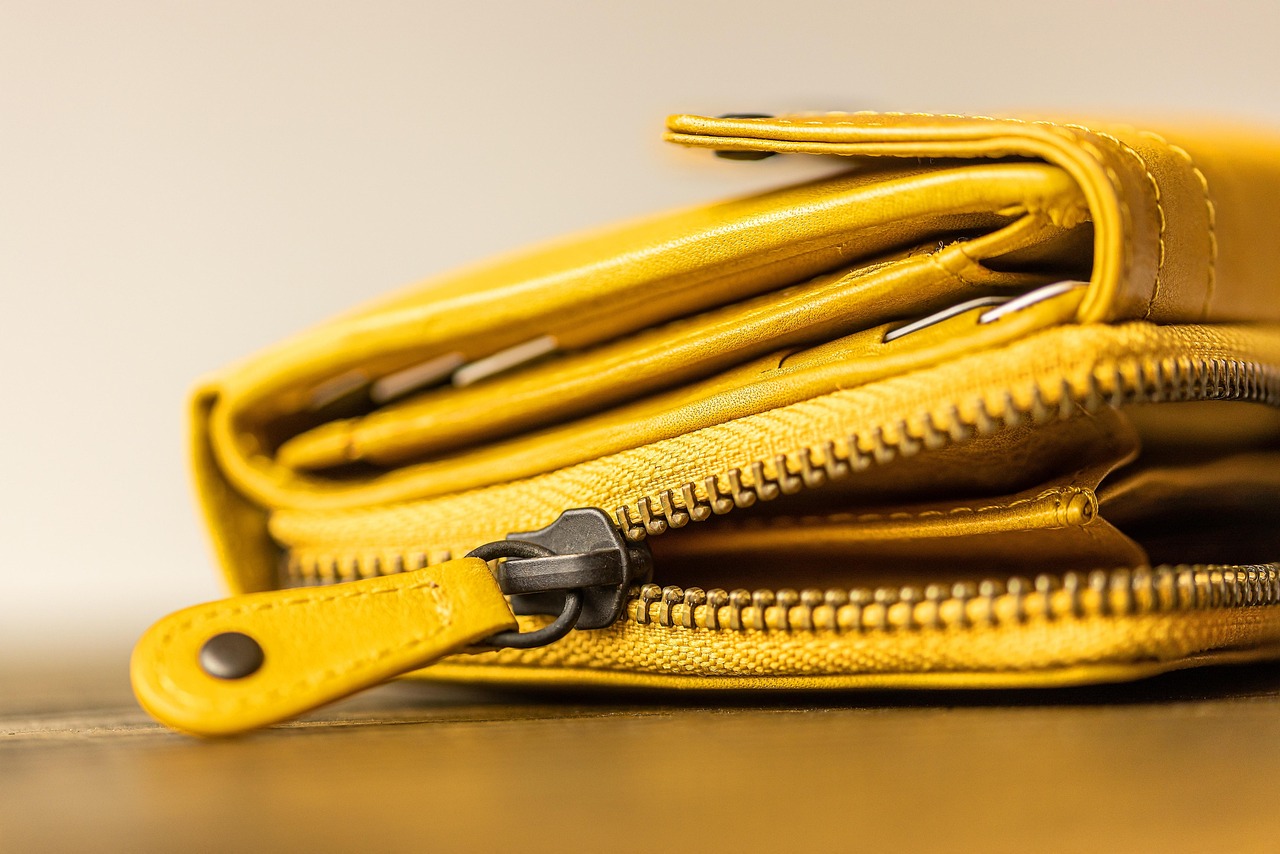
- Zip-Around Wallet: These wallets feature a full zipper closure, offering enhanced security for contents and preventing items from falling out. They often have more compartments, including coin pockets and bill dividers.
- Pros: Excellent security, ample organization, good for travel.
- Cons: Can be bulkier than other styles.
- Long Wallet (Continental Wallet): These wallets resemble small clutches and offer significant space for cards, cash, coins, and even a smartphone. They are typically carried in bags.
- Pros: Maximum organization and capacity, stylish.
- Cons: Not suitable for pocket carry, can be cumbersome.
- Coin Wallet/Coin Purse: Specifically designed to hold loose change, these are often small, zippered pouches.
- Pros: Dedicated coin storage.
- Cons: Limited functionality beyond coins.
Key Features to Consider: Enhancing Functionality and Security
Beyond material and style, several features can significantly enhance your wallet’s usability and security.
- RFID Blocking Technology: In an increasingly digital world, protecting your sensitive information from unauthorized scanning is paramount. RFID-blocking wallets feature a special lining that prevents radio frequency identification (RFID) signals from being read, safeguarding your credit cards and passports.
- Number of Card Slots: Assess your current card collection and anticipate future needs. Ensure the wallet has enough slots to comfortably accommodate your essential cards without forcing them in.
- Bill Compartment Size and Configuration: If you carry cash, consider whether a single, full-length compartment is sufficient or if you prefer divided sections for different currencies or denominations.
- Coin Pocket: A dedicated coin pocket can prevent loose change from accumulating in other compartments and creating bulk. Look for a secure closure (zipper or snap) to prevent coins from spilling out.
- Window for ID/Driver’s License: An external clear window allows for quick and easy display of your identification without having to remove it from the wallet.
- Durability of Stitching and Hardware: High-quality stitching ensures the wallet’s longevity. Look for reinforced stitching, especially at stress points. Similarly, ensure any zippers, snaps, or clasps are made from durable materials and function smoothly.
- Slimness and Profile: Especially important for pocket carry, a slim wallet minimizes bulk and discomfort. Consider the wallet’s dimensions when folded and unfolded.
- Ease of Access: Can you easily retrieve your most-used cards or cash? The placement and design of pockets can significantly impact the wallet’s overall usability.
Brand Reputation and Craftsmanship: Investing in Quality
While personal preference reigns supreme, certain brands have built a reputation for exceptional quality, craftsmanship, and enduring style. Researching reputable brands can lead you to wallets that are not only functional but also a worthwhile investment. Look for brands known for:
- High-quality materials sourcing.
- Meticulous attention to detail in construction.
- Durable stitching and hardware.
- Timeless designs that transcend trends.
Personalizing Your Wallet: A Touch of Individuality
Once you’ve narrowed down your choices, consider how you can personalize your wallet to make it truly your own.
- Embossing/Monogramming: Many leather wallets offer the option of embossing initials or a name, adding a sophisticated and personal touch.
- **Unique